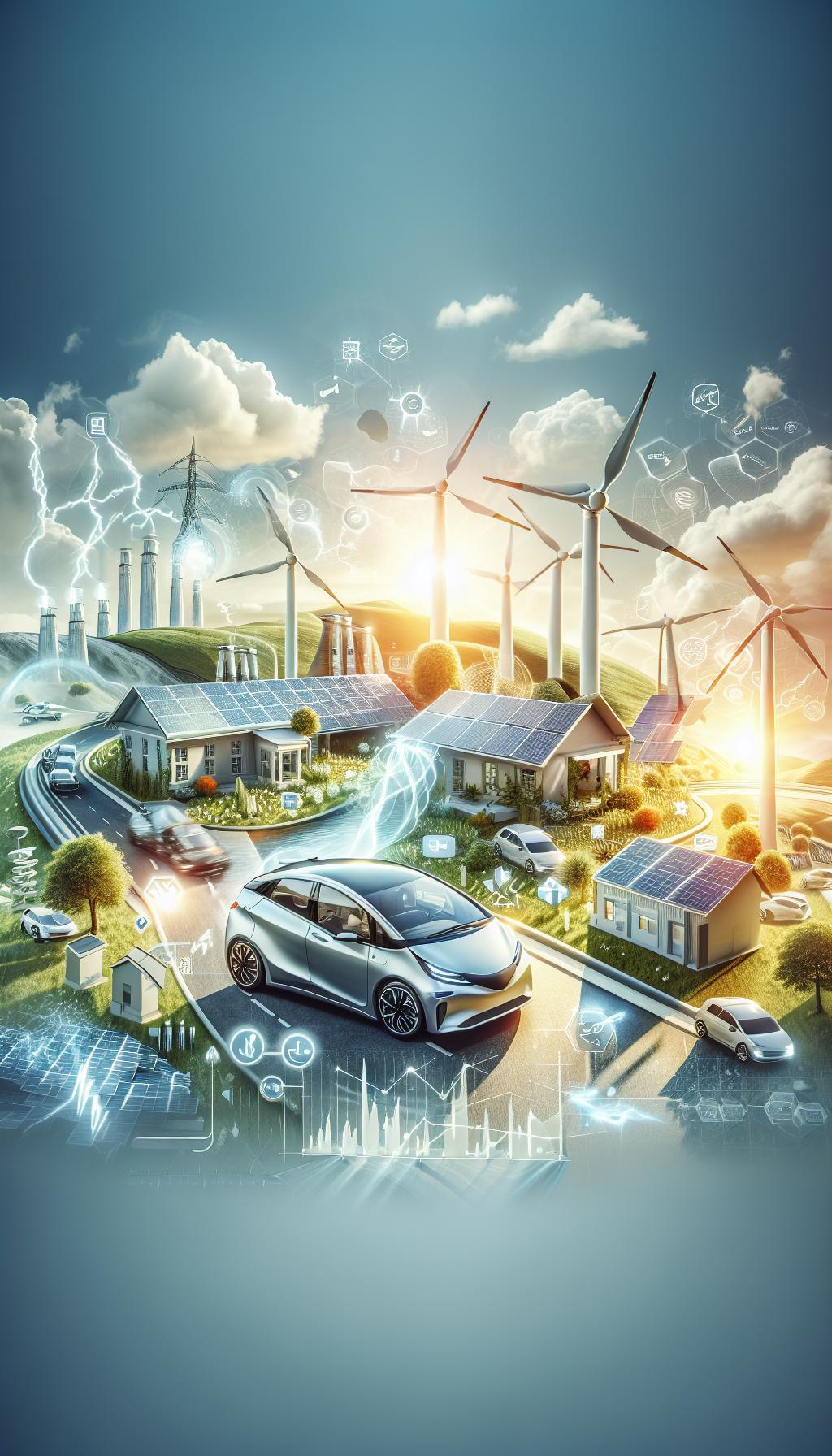
Green & Clean Energy
Green & Clean Energy refers to the comprehensive category of power and thermal generation technologies that harness non-depletable environmental processes without discharging greenhouse gases, particulates, or toxic atmospheric pollutants during operation.
Foundational Green & Clean Energy Guides
Are Electric Cars Renewable Energy Solutions for Transportation
Well-to-wheels efficiency analysis of electric vehicles powered by renewable grids vs internal combustion engines.
Which of the Following Best Describes Renewable Energy Sources
Definitive criteria establishing perpetual replenishment rates, non-depletable reservoirs, and environmental benefits.
What is Clean Choice Energy: Supplier Review and Analysis
Consumer review of competitive retail clean energy providers, REC matching mechanisms, and billing structures.
Differentiating Green, Clean, and Renewable Energy Systems
In commercial marketing and environmental policy, the terms ‘clean energy’, ‘green energy’, and ‘renewable energy’ are frequently conflated, yet they describe distinct technical criteria. Renewable energy refers strictly to resources that replenish naturally on human timescales (solar, wind, geothermal, hydropower, biomass). However, not all renewable energy is inherently green: burning woody biomass releases particulate matter and short-term atmospheric carbon, meaning it is renewable but not zero-emission.
Clean energy defines power sources that operate without direct greenhouse gas emissions or harmful atmospheric pollutants, encompassing nuclear fission alongside solar and wind. Green energy represents the most stringent standard: resources that originate from natural environmental flows, produce zero operating emissions, and maintain minimal lifecycle ecological impacts. Modern electrical utilities offer green tariffs where consumers match 100% of their electricity consumption with certified Renewable Energy Certificates (RECs).
| Energy Source | Renewable Classification | Clean / Zero Operating Emissions | Green Ecological Standard | Primary Environmental Consideration |
|---|---|---|---|---|
| Solar Photovoltaic | Yes (Inexhaustible sun) | Yes (Zero direct emissions) | Yes (High ecological score) | End-of-life silicon panel recycling |
| Onshore & Offshore Wind | Yes (Kinetic air currents) | Yes (Zero direct emissions) | Yes (High ecological score) | Bird strike mitigation & blade recycling |
| Geothermal Power | Yes (Subterranean heat) | Yes (Closed binary systems) | Yes (Near-zero emissions) | Subterranean pressure balancing |
| Nuclear Fission | No (Finite uranium ore) | Yes (Zero combustion emissions) | Contested (High safety standard) | Long-term spent fuel repository storage |
| Combustion Biomass | Yes (Replenishable crops) | No (Emits CO₂ & particulates) | No (Air quality impacts) | Deforestation & carbon cycle timelines |
Consumers and corporate buyers can actively support the green transition by selecting genuine green electricity plans certified by independent auditors such as Green-e, ensuring that their utility payments directly finance new regional solar and wind capacity.
Green & Clean Energy Topic Directory
Clean Energy Providers & Consumer Guides
Frequently Asked Questions About Green & Clean Energy
What is the difference between clean energy and green energy?
Clean energy refers to power generation that produces no operating greenhouse gases (such as solar, wind, and nuclear). Green energy is a subset that produces zero operating emissions while also originating from natural replenishable environmental flows with minimal ecological disruption.
What is a Renewable Energy Certificate (REC)?
A REC is a tradeable legal instrument certifying that one megawatt-hour (MWh) of electricity was generated from a certified renewable energy source and delivered to the electrical grid.
Why is peat not classified as a renewable energy source?
Peat bogs accumulate organic material at an extremely slow rate of approximately 1 millimeter per year. Extracting and burning peat depletes carbon sinks thousands of times faster than natural regeneration, classifying it alongside fossil fuels.