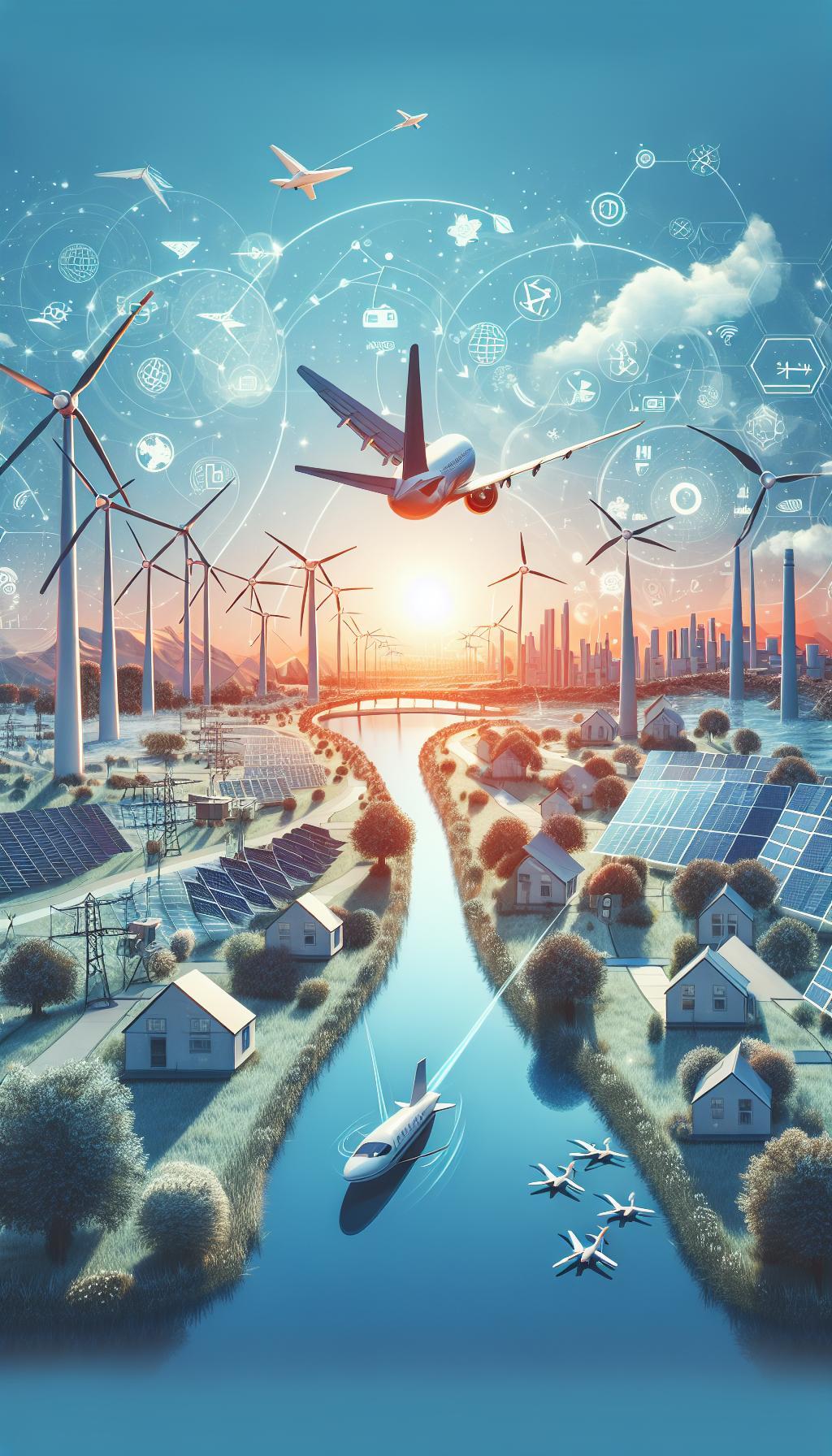
Renewable Energy
Renewable Energy encompasses naturally replenishing, non-depletable energy sources derived from solar radiation, atmospheric air currents, hydrological gravity flows, Earth mantle thermal reserves, and biological cycles that generate power without long-term resource depletion or net planetary carbon accumulation.
Foundational Renewable Energy Guides
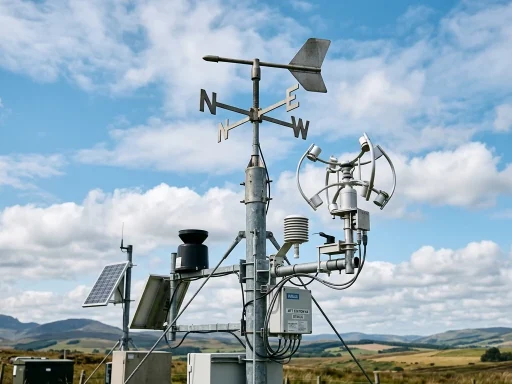
How Is Wind Direction Described: Coming From vs Going To Explained
Meteorological dynamics and precision turbine orientation driving global kinetic clean power.
Why is Solar Energy Considered a Renewable Energy Source: Facts
Photovoltaic physics, semiconductor bandgap excitation, and inexhaustible thermonuclear solar irradiance.
Is Geothermal Energy Sustainable: Long-Term Viability Explained
Baseload thermal stability, deep subterranean enthalpy extraction, and closed-loop reinjection.
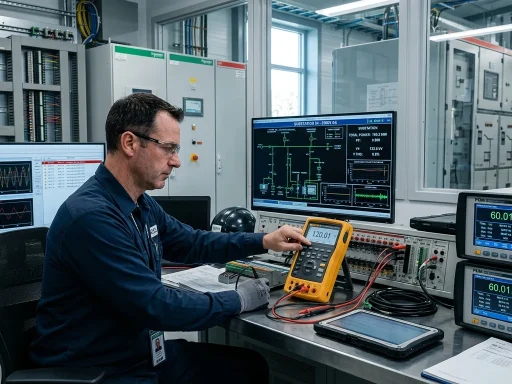
Five Crucial Roles of Instrumentation and Measurement in Renewable Energy
Precision SCADA telemetry, LiDAR wind profilers, and irradiance sensors optimizing clean generation.
The Global Renewable Transition: Technology Synergy, Grid Storage & LCOE Parity
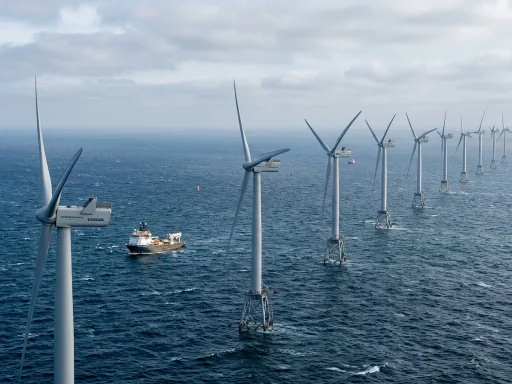
The 21st-century energy transition marks the decisive shift from finite, combustible fossil hydrocarbons toward an electrified global economy powered by synergistic renewable resources. The strength of renewable energy lies in resource complementarity: solar photovoltaic generation peaks during daytime hours and summer months, while onshore and offshore wind resources frequently demonstrate their highest capacity factors during overnight hours, winter storms, and maritime temperature inversions. Geothermal systems provide uninterrupted baseload stability to anchor grid reliability.
Economic parity has decisively accelerated this transformation. According to international energy benchmarks, the Levelized Cost of Energy (LCOE) for utility-scale solar PV and onshore wind has plummeted by over 85% and 70% respectively since 2010. In the vast majority of global power markets, building brand-new utility-scale solar or wind generation is substantially cheaper than merely paying the recurring fuel and operational costs to keep existing coal or natural gas facilities running.
Modern grid integration combines high-voltage direct current (HVDC) transmission lines to move remote renewable power across continents with battery energy storage systems (BESS) and pumped hydroelectric storage to provide sub-second frequency regulation and multi-hour peaking dispatchability.
| Renewable Sector | Primary Energy Resource | Global LCOE Benchmark ($/MWh) | Typical Capacity Factor | Carbon Payback Period |
|---|---|---|---|---|
| Utility Solar PV | Electromagnetic solar irradiance | $29 – $42 | 20% – 28% | 1.2 – 2.0 Years |
| Onshore Wind | Atmospheric air currents | $28 – $38 | 32% – 44% | 0.5 – 0.8 Years |
| Offshore Wind | Oceanic boundary-layer winds | $65 – $85 | 45% – 55% | 0.6 – 1.0 Years |
| Geothermal Power | Subterranean mantle heat & enthalpy | $55 – $75 | 90% – 95% | 1.0 – 2.5 Years |
| Hydroelectric Power | Gravitational water head & streamflow | $40 – $65 | 45% – 60% | 1.5 – 3.0 Years |
Embracing a comprehensive renewable energy architecture delivers triple dividends: absolute energy sovereignty free from geopolitical oil and gas shocks, elimination of toxic particulate air pollution, and the decisive stabilization of Earth’s atmospheric climate system.
Renewable Energy Topic Directory
Core Renewable Technologies & Physics
Grid Instrumentation, Storage & Clean Transportation
Frequently Asked Questions About Renewable Energy
What defines an energy resource as truly renewable?
An energy source is renewable if it is replenished by natural ecological, planetary, or astronomical processes at a rate equal to or faster than its rate of consumption by human society.
Can renewable energy provide a stable power grid without blackouts?
Yes. By coupling diverse, geographically distributed renewable sources (solar, wind, geothermal) with utility battery storage, demand-response management, and smart grid interconnectors, renewable grids achieve equal or superior reliability to fossil-based grids.
How has the cost of renewable energy changed over the past decade?
The Levelized Cost of Energy (LCOE) for utility-scale solar photovoltaic power has fallen by approximately 88%, and onshore wind energy has fallen by over 68%, making renewables the lowest-cost source of new electrical power generation globally.