

As we confront the realities of climate change, the transition to sustainable transportation becomes essential, and electric cars are at the forefront of this movement. But are they truly renewable energy solutions? With advancements in technology and a growing emphasis on clean energy, electric vehicles (EVs) offer a viable path toward reducing our carbon footprint and dependency on fossil fuels.
Imagine a world where the cars we drive contribute not only to personal convenience but also to a healthier planet. For many, electric vehicles represent not just a trend, but a commitment to a more sustainable future. By understanding how these cars can integrate with renewable energy sources, we empower ourselves to make informed decisions that benefit our environment and economy.
Join us as we explore the role of electric cars in sustainable transportation. We’ll delve into the intersection of renewable energy, innovative technologies, and the long-term benefits of adopting electric vehicles, helping you to see how this choice impacts both your daily life and the world we share.
The Role of Electric Cars in Renewable Energy
The transportation sector is a major contributor to greenhouse gas emissions, and electric cars have emerged as a pivotal solution in the shift towards renewable energy. By utilizing electric vehicles (EVs), we can reduce reliance on fossil fuels and promote cleaner energy sources such as wind, solar, and hydropower. In fact, as more drivers opt for EVs, the demand for renewable energy grows, creating a symbiotic relationship that accelerates the transition to a sustainable future.
Incorporating electric cars into our daily lives can significantly lower carbon footprints, especially when paired with renewable energy production. For instance, charging an EV with electricity generated from solar panels or wind turbines can minimize emissions to nearly zero. This not only benefits the environment but also aligns with growing consumer demand for sustainable solutions in transportation. Furthermore, as the grid becomes more integrated with renewable sources, the impact of each electric vehicle on overall emissions diminishes, reinforcing the idea that electric cars are not just an alternative mode of transport but a crucial component in the push for a cleaner, greener energy landscape.
Moreover, the technology behind electric vehicles is continuously evolving, making them more efficient and accessible to a broader audience. Innovations such as vehicle-to-grid (V2G) systems allow EVs to not only draw energy from the grid but also feed excess energy back, supporting grid stability and enhancing the use of renewable sources. This circular energy model maximizes the potential of electric cars as renewable energy solutions, enabling a transition that is not just about personal transportation but about fostering a sustainable ecosystem for future generations.
In summary, electric vehicles play a critical role in transforming the transportation landscape and promoting renewable energy initiatives. By choosing electric, consumers can actively participate in the creation of a sustainable future, demonstrating that individual choices can have a collective and profound impact on the environment. Engaging with this evolution empowers everyone-from policy-makers to everyday drivers-to contribute to a cleaner, greener planet.
Understanding Electric Vehicle Technology Fundamentals
The underpinning technology of electric vehicles (EVs) represents a remarkable evolution in the quest for sustainable transportation. With the ability to convert electrical energy into movement, EVs offer an efficient alternative to traditional internal combustion engines. At the heart of every electric car is the electric motor, which differs significantly from its gas-powered counterparts. While combustion engines rely on burning fuel to generate power, electric motors use electromagnetic fields, allowing for instant torque and smoother acceleration. This results in a more responsive driving experience, which is a key factor in attracting drivers to make the switch to electric.
A foundational component of this technology is the battery. Modern electric vehicles utilize lithium-ion batteries, known for their high energy density and longevity. These batteries can be recharged quickly relative to older technologies and are essential for increasing the range of EVs, a common concern among potential buyers. For instance, advancements in fast-charging technology allow drivers to recharge their vehicles in a matter of minutes at designated charging stations, alleviating range anxiety significantly.
To further enhance sustainability, many EVs offer capabilities for regenerative braking. This technology captures the energy normally lost during braking and redirects it to recharge the battery, thereby improving efficiency and extending overall driving range. Additionally, the integration of software systems in modern EVs allows for intelligent energy management, optimizing how energy is used and when it’s best to charge, especially in scenarios where renewable energy sources are available.
Understanding these foundational elements not only emphasizes how electric vehicles represent a shift toward renewable energy in transportation but also highlights their potential role in a broader ecosystem that includes smart grids and renewable energy generation. By aligning the adoption of electric vehicles with renewable energy sources, consumers can actively participate in reducing carbon emissions, showcasing how informed choices can lead to more sustainable practices.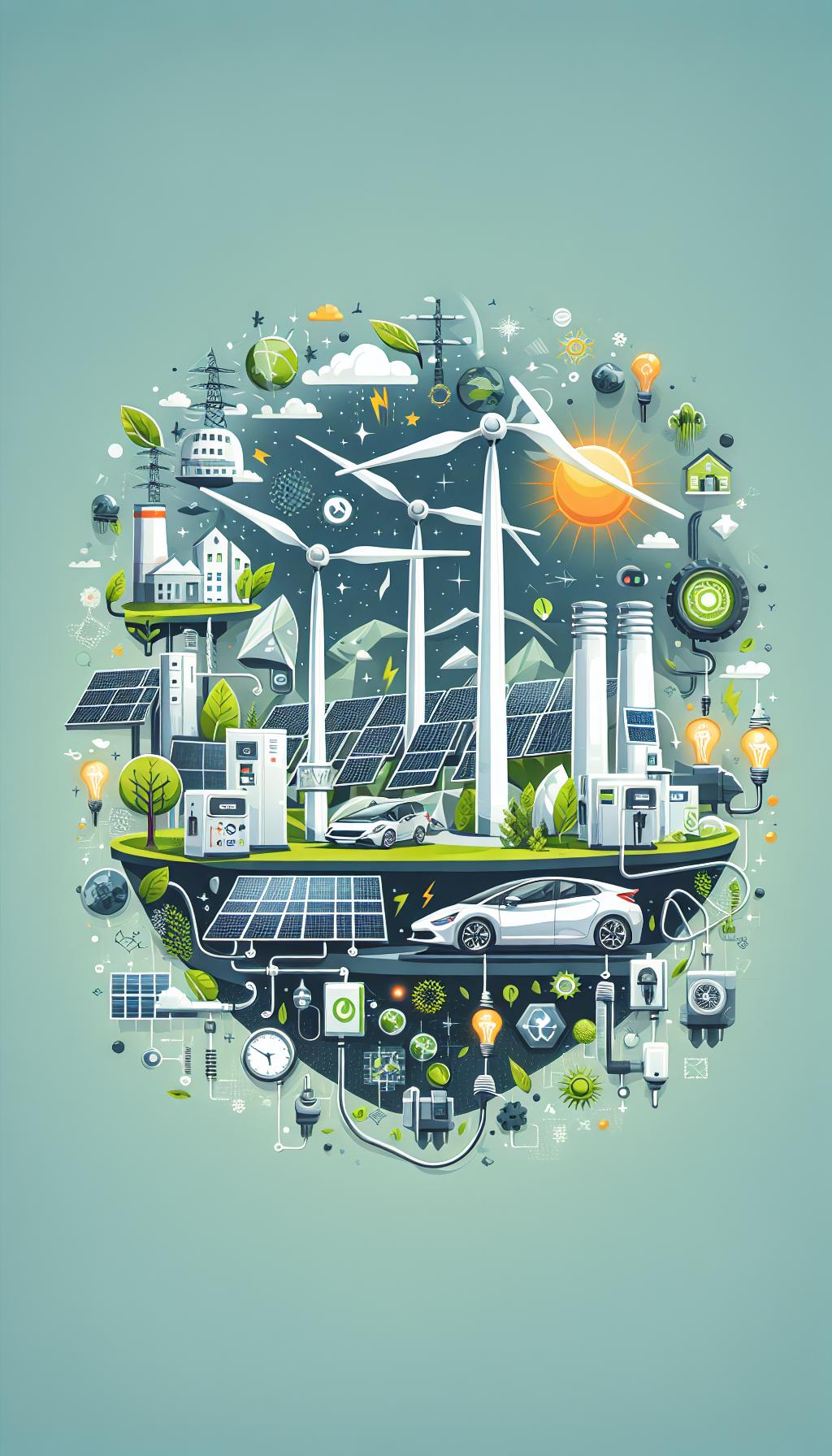
Green Energy Sources for Electric Car Charging
While electric vehicles (EVs) are celebrated for their potential to reduce greenhouse gas emissions, the sustainability of their operation heavily relies on the energy sources used to recharge them. When considering electric cars as renewable energy solutions, the focus shifts to how and where the electricity is generated. Transitioning to clean energy for EV charging not only mitigates the environmental impact of electric cars but also reinforces the broader goal of a sustainable energy future.
A significant portion of the electricity used to charge EVs can come from renewable sources such as solar, wind, and hydroelectric power. Utilizing solar panels, for instance, can empower homeowners with the ability to charge their electric vehicles with energy generated from sunlight, providing a truly zero-emission solution. Many individuals are opting for solar home systems capable of powering both their homes and EVs, thereby reducing their dependency on fossil fuels. This dual benefit can lead to substantial savings and a reduced carbon footprint.
In addition to individual solar solutions, grid-connected renewable energy initiatives have gained momentum. Areas with abundant wind or solar farms can supply clean energy to the grid, subsequently powering EV chargers in homes and public charging stations. In fact, some regions are developing “green charging networks,” where charging stations are exclusively powered by renewable energy sources. This not only promotes an eco-friendly image but also creates a reliable infrastructure that fosters greater EV adoption.
However, it’s not just about the source of the electricity; timing plays a crucial role too. Charging electric vehicles during off-peak hours when renewable energy generation is high can maximize the use of clean energy. Smart chargers and home energy management systems can facilitate this by scheduling charging activities when there is an abundance of green energy available. By aligning EV charging with renewable production peaks, consumers can further minimize their carbon impact while enjoying the benefits of reduced energy costs.
Ultimately, the collaboration between electric vehicles and renewable energy is pivotal to realizing the full potential of sustainable transportation. As more households and businesses invest in renewable energy solutions for charging, the journey toward a greener planet becomes a collective reality, encouraging an eco-conscious mindset that empowers everyone to contribute positively to the environment.
Comparing Emissions: Electric Cars vs. Traditional Vehicles
While the debate over electric vehicles (EVs) versus traditional gasoline-powered vehicles often centers on environmental impact, the emissions comparison goes beyond tailpipe outputs. In fact, EVs have the potential to significantly reduce greenhouse gas emissions, depending on the energy sources used for power generation and the lifecycle of the vehicles themselves. A notable statistic to consider is that studies indicate EVs charged from renewable energy can reduce emissions associated with transportation by 70-100% over their lifetime when compared to their internal combustion engine counterparts.
The emissions produced during the use phase of EVs are generally zero at the tailpipe, meaning phrases like “zero-emissions vehicle” more accurately describe them than their traditional counterparts. However, it is essential to look at the overall emissions from production to disposal. Traditional vehicles emit carbon dioxide (CO2) and other pollutants not only through their operations but also during the extraction and refining of oil and building the vehicle itself. The total emissions for conventional gasoline vehicles significantly accrue from these activities.
Lifecycle Emissions Considerations
When examining the full lifecycle emissions, which includes manufacturing, usage, and end-of-life disposal, electric cars can still show superior performance, especially as energy sources transition to greener alternatives. Here are some considerations:
- Manufacturing Emissions: Despite higher initial manufacturing emissions largely due to battery production, advancements are being made in sustainable battery technologies and recycling processes.
- Charging Emissions: The emissions for charging EVs depend heavily on the energy mix of the local grid. Charging an EV in a region dominated by coal-derived electricity yields higher emissions compared to one powered largely by renewables.
- End-of-Life Emissions: Current studies suggest that recycling batteries can reduce overall emissions significantly and keep harmful materials out of landfills.
Ultimately, while the complete environmental impact of electric vehicles involves a multitude of factors, it is clear that they offer a promising path towards reducing the transportation sector’s carbon footprint. As the energy grid continues to decarbonize and efficiency in battery manufacturing improves, the emissions associated with electric vehicles will only decrease further, making them not just a competitive choice but potentially the most sustainable option for transportation in the future. Consumers can play an active role by opting for renewable energy sources for charging their EVs, thereby enhancing the emissions benefits even more.
The Impact of Battery Production on Sustainability
The surge in electric vehicle (EV) adoption signals a critical shift towards sustainable transportation, yet the environmental impact of battery production remains a complex topic that deserves attention. The batteries powering these electric cars, primarily lithium-ion variants, require significant mineral inputs such as lithium, cobalt, and nickel. These resources are not only finite but are also harvested through mining practices that can result in substantial ecological degradation and human rights concerns, particularly in developing nations. In order to mitigate these impacts, industries and consumers must advocate for better mining practices and recycling initiatives that can enhance sustainability while maintaining the momentum toward renewable energy solutions.
Sustainable Battery Innovations
To make battery production more sustainable, several advancements are being incorporated into the manufacturing process. For instance, companies are actively researching alternative chemistries that reduce reliance on scarce materials and utilize more abundant and benign elements. Emerging technologies, such as solid-state batteries, promise to improve energy density while minimizing hazardous material use. Initiatives like the Global Battery Alliance are working towards developing a sustainable battery value chain that emphasizes ethical sourcing, improved recycling techniques, and lifecycle management.
As part of embracing sustainability, consumers can make informed choices about the brands they support. By selecting companies committed to ethical sourcing and transparency, individuals can drive demand for more responsible practices across the industry. Additionally, engaging in recycling programs for old batteries not only helps recover valuable materials but also reduces the need for new mining activities, further minimizing environmental impacts.
End-of-Life Solutions
Battery recycling technologies are rapidly evolving, offering great potential in mitigating sustainability concerns. The recycling process involves extracting reusable materials that can be repurposed for new batteries, dramatically cutting down the carbon emissions associated with new battery production. Current estimates suggest that recycling lithium-ion batteries can reduce greenhouse gas emissions by up to 90%, showcasing the tangible benefits of effective recycling programs. As governments and industry leaders push for stricter regulations around lithium battery disposal, consumers can play their part by ensuring proper disposal through certified recycling centers.
By understanding the intricacies of battery production and its impact on sustainability, stakeholders can actively contribute to a more environmentally friendly transportation landscape. As the electric vehicle market grows, continued investment in research, better resource management practices, and consumer advocacy for sustainable options will be vital in enhancing the overall sustainability of electric cars as a viable renewable energy solution for transportation.
How Smart Grids Enhance Electric Vehicle Integration
The rapid advancement of electric vehicle (EV) technology is a game-changer in the quest for sustainable transportation. One of the most promising developments in this arena is the integration of smart grids, which enhances the efficiency and effectiveness of electric vehicle charging and energy management. Smart grids utilize digital communication technology to monitor and control electricity flows, allowing for a more responsive and flexible energy system that can significantly benefit both EV owners and the broader energy landscape.
Efficient charging is a primary advantage of smart grids. With real-time communication between vehicles, charging stations, and grid operators, drivers can charge their EVs at optimal times when electricity demand is lower and renewable energy supply is higher. This not only reduces costs for consumers but also helps stabilize the grid by balancing supply and demand. For instance, during peak solar production hours, EV owners can charge their vehicles, using clean energy that would otherwise go unused. Moreover, smart grids facilitate vehicle-to-grid (V2G) technology, enabling parked EVs to discharge their energy back into the grid during peak demand times, which can further enhance grid reliability.
Integration with renewable energy sources is another critical benefit of smart grids. As the share of renewable energy in the grid increases, smart grids can dynamically manage energy flows from sources like wind and solar. This capability ensures that charging sessions for electric vehicles are timed when renewable output is at its peak, significantly reducing the carbon footprint associated with EV usage. Furthermore, by supporting localized energy generation and storage solutions, such as solar panels and home batteries, smart grids empower consumers to be active participants in the energy market, enabling them to utilize cleaner energy for their transportation needs.
In addition to technical advancements, smart grids also represent an opportunity for innovative business models and policies to thrive. Utilities can offer incentives for EV owners to charge at specific times or allow for smart charging options where prices fluctuate based on grid demand. Policymakers can support these initiatives by implementing regulations that encourage the adoption of smart grid technologies and infrastructure. For instance, investment in charging station networks that are integrated with smart grid technology can lead to a more sustainable and resilient energy system.
Overall, smart grids are pivotal in enhancing electric vehicle integration, making them a vital component of a sustainable transportation ecosystem. By promoting efficiency, supporting renewable energy sources, and empowering consumers, smart grids not only bolster the feasibility of electric vehicles as a renewable solution but also foster a cleaner and more resilient energy future.
Challenges Facing Electric Cars as Renewable Solutions
The shift towards electric vehicles (EVs) is heralded as a linchpin in our quest for sustainable transportation. However, this transition comes with its own set of challenges that must be navigated carefully to ensure that electric cars truly serve as effective renewable energy solutions. One of the most pressing concerns is the source of the electricity used to charge these vehicles. If the power originates from fossil fuels, the environmental benefits of EVs can be significantly compromised. Transitioning toward a clean energy grid, heavily reliant on solar, wind, and other renewable sources, is essential for aligning the electric vehicle ecosystem with green transportation goals.
Another challenge lies in the production and disposal of EV batteries, which are typically made from lithium, cobalt, and nickel. The extraction of these materials can lead to environmental degradation and poses ethical concerns regarding labor practices in mining operations. Furthermore, the recycling and disposal of batteries at the end of their life cycle is an area that urgently needs advancement. Developing sustainable battery technologies, such as solid-state batteries, and enhancing recycling processes will be crucial in mitigating these issues and reducing the carbon footprint associated with battery production.
In addition to environmental concerns, infrastructure presents another significant hurdle. The availability of charging stations is still lacking in many regions, particularly rural areas, which limits the practicality of EV ownership. Expanding charging networks and integrating them with smart grid technology can significantly improve access and convenience for users. Additionally, urban planning must evolve to accommodate a growing number of electric vehicles, ensuring that charging stations are strategically placed and easily accessible.
Lastly, there is the matter of consumer perception and knowledge. Many potential buyers may have reservations about electric vehicles due to misconceptions regarding range, charging duration, and overall reliability. Effective public education campaigns, coupled with incentives for both consumers and manufacturers, can play an instrumental role in changing these perceptions. Building a robust, supportive community around electric vehicle use, with shared success stories and proof of efficiency, can further bolster confidence and drive adoption.
Through targeted improvements in infrastructure, battery technology, and public perception, the electric vehicle sector can overcome these challenges, positioning itself as a frontrunner in the transition to renewable energy solutions for transportation.
The Future of Electric Vehicles and Renewable Energy
The advent of electric vehicles (EVs) not only marks a pivotal moment in transportation but also heralds a new era for renewable energy integration. As governments and industries around the world increasingly recognize the urgency of addressing climate change, the future of electric vehicles as a cornerstone of sustainable transportation becomes more promising. By emphasizing the connection between EV technology and renewable energy sources, the potential for a cleaner, greener future emerges vividly.
Renewable Energy Synergies
The future of electric vehicles lies significantly in their synergy with renewable energy sources. As solar, wind, and hydropower technologies continue to advance and decrease in cost, electricity generation can pivot away from fossil fuels. Smart grid technologies play an essential role here by helping to manage the production and distribution of electricity efficiently. One compelling example of this integration is the development of bi-directional charging systems, which allow EVs not only to draw power from the grid but also to return excess energy during peak demand times. This capability makes each EV a potential asset to the grid, enhancing overall energy resilience.
Innovations in Battery Technology
Alongside renewable energy, innovations in battery technology will propel the future of electric vehicles forward. Research is ongoing into sustainable materials for batteries, and breakthroughs in solid-state batteries promise higher capacities, faster charging times, and longer life spans. The achievement of affordable battery recycling processes is also critical; recent advancements are paving the way for a circular economy in battery production, drastically reducing waste and environmental impact. As consumers and industries demand greener solutions, scalable technologies will not only enhance EV performance but also their sustainability credentials.
Policy Support and Consumer Education
For electric vehicles to flourish as true renewable energy solutions, strong policy frameworks must support their adoption. Incentives for purchasing EVs, subsidies for renewable energy installations, and investments in charging infrastructure are vital. Public education campaigns are equally crucial to demystify electric vehicles and emphasize their long-term benefits, such as lower operating costs and reduced greenhouse gas emissions. Success stories from regions that have embraced EVs and renewables can inspire widespread adoption, thus accelerating the transition towards sustainable transportation.
In this evolving landscape, the potential for electric vehicles to work hand-in-hand with renewable energy sources is not just theoretical; it is becoming a practical reality. By fostering innovations in technology, prioritizing policy support, and educating consumers, electric vehicles can transform from mere alternatives to pivotal solutions in the fight against climate change. Together, we can pave the way for a future where clean transportation is the standard, not the exception, reinforcing the vital link between mobility and sustainability.
Real-World Case Studies: Successful Electric Car Programs
One of the most compelling aspects of the electric vehicle (EV) revolution is how various regions and municipalities have successfully integrated these technologies into their transportation systems, showing that electric cars can indeed be a viable solution for renewable energy in transportation. These real-world case studies not only highlight the potential of EVs but also serve as inspiration for other communities aiming to reduce their carbon footprints and transition to sustainable energy solutions.
Consider the example of Norway, a leader in electric vehicle adoption. Over 54% of new car sales in Norway in 2020 were electric, driven by government policies that include substantial incentives for EV buyers, such as tax exemptions, access to bus lanes, and free tolls. These measures have created a robust ecosystem for EVs, supported by a network of charging stations powered by renewable energy sources. As a result, cities like Oslo have seen a significant reduction in greenhouse gas emissions, transforming urban transportation while also enhancing air quality.
In the United States, California stands out with its aggressive electric vehicle initiatives. The state has committed to having 1.5 million zero-emission vehicles by 2025. This goal is coupled with extensive investments in charging infrastructure and incentives for consumers. Additionally, the collaboration between state agencies and private companies has facilitated the growth of programs that allow EV owners to charge their vehicles using solar energy, further integrating renewable resources into everyday transportation.
Furthermore, the city of Shenzhen in China has become a hallmark for electric public transport systems. By converting its fleet of over 16,000 buses to electric, Shenzhen has dramatically cut down its reliance on fossil fuels, resulting in cleaner air and significantly lower emissions. This initiative showcases the potential of electric vehicles to transform not just personal transport but public transport at a systemic level, proving that large-scale implementation is both achievable and beneficial.
Through these case studies, it is evident that successful electric car programs are not just about the vehicles themselves but also involve comprehensive strategies that interlink policy support, renewable energy, and consumer engagement. Each example illustrates a unique approach to overcoming the barriers to EV adoption, serving as a powerful reminder that a sustainable future in transportation is not just a dream-it is steadily becoming a reality.
Policy Implications for Supporting Electric Vehicle Adoption
The transition to electric vehicles (EVs) represents not only a technological revolution but also an opportunity for significant policy reform. Across the globe, various governments have initiated policies that boost the adoption of EVs and address climate change concerns. These policies can take the form of direct incentives, infrastructure investments, and regulatory frameworks that promote clean energy solutions in transportation.
To begin with, providing financial incentives is one of the most effective methods to encourage consumers toward electric car adoption. Incentives such as tax credits, rebates, and grants make EVs more financially attractive. For instance, the Inflation Reduction Act of 2022 offers up to $7,500 in tax credits for eligible buyers of electric vehicles in the U.S., significantly lowering the upfront costs for potential customers [[1]]. These financial incentives can be complemented by policy measures such as reduced registration fees or exemptions from tolls, making EV ownership more appealing.
In addition to financial incentives, governments must invest in robust charging infrastructure. The presence of accessible and convenient charging stations is crucial to alleviating “range anxiety” among potential EV buyers. By establishing public charging networks that’s powered by renewable energy sources, states like California are not only increasing the feasibility of electric vehicle use but also enhancing the integration of clean energy into daily life. This approach encourages consumers to switch from fossil fuel-powered vehicles by ensuring they have reliable and sustainable options for recharging their EVs.
Moreover, regulatory frameworks that mandate the gradual phasing out of gasoline and diesel vehicles are gaining traction. Progressive policies, such as those seen in places like Norway or California, can signal to manufacturers and consumers alike that a future powered by electric vehicles is imminent. These approaches often include stricter emissions standards and targets for zero-emission vehicle sales, fostering innovation and competition in the EV market.
Lastly, public awareness and education campaigns play an essential role in supporting policy initiatives. Governments can fund programs that inform the public about the benefits of electric vehicles, ranging from lower operational costs to reduced emissions. Engaging consumers through information and outreach can break down barriers to adoption and encourage a sustainable mindset towards transportation.
In summary, effective policies aimed at supporting electric vehicle adoption must be multi-faceted, combining financial incentives, infrastructure development, regulatory mandates, and public education. By embracing a comprehensive strategy, governments can significantly accelerate the transition to electric vehicles, making them a cornerstone in the pursuit of cleaner, renewable energy solutions for transportation.
Consumer Perspectives on Electric Cars and Sustainability
The growing interest in electric vehicles (EVs) reveals a shift in consumer consciousness towards sustainability and renewable energy solutions. In fact, a recent survey indicated that approximately 70% of potential car buyers are considering EVs primarily due to their environmental benefits. This remarkable trend reflects an increasing awareness of the ecological impacts of traditional gasoline vehicles, as well as the desire to embrace sustainable technology. Consumers no longer see their vehicle choices as merely a personal transportation decision; they recognize the role these choices play in the broader context of climate change and environmental stewardship.
When it comes to sustainability, electric cars are often lauded for their ability to reduce greenhouse gas emissions and fossil fuel dependency. Owners of EVs typically report a significant reduction in their carbon footprint, particularly when they use green energy sources for charging. For instance, charging an electric vehicle with solar energy creates a near-zero emissions profile, which aligns perfectly with many consumers’ values regarding climate action. As states and countries move towards renewable energy sources, the synergy between EVs and sustainability becomes increasingly important. This connection empowers consumers to make choices that not only benefit them financially through lower fuel and maintenance costs but also contribute positively to the environment.
However, consumer perspectives extend beyond merely seeking an eco-friendly option. Practical concerns such as charging infrastructure and battery longevity play a pivotal role in influencing decisions. Many consumers are encouraged by the expanding charging networks powered by renewable energy, which alleviate range anxiety and enhance the practicality of owning an EV. States like California and programs promoting public-private partnerships have made charging stations more accessible, helping consumers feel more comfortable transitioning to electric vehicles. Additionally, innovations in battery technology are addressing issues of sustainability, with many manufacturers committing to battery recycling and second-life applications, which further resonates with consumers’ desires for sustainable practices.
Despite the clear advantages of electric vehicles, misconceptions persist. Some potential buyers still harbor concerns regarding the upfront costs, availability of charging stations, and the environmental impact of battery production. Addressing these concerns through education and transparency is crucial. For example, many EV manufacturers offer comprehensive resources highlighting the total cost of ownership versus traditional vehicles, emphasizing long-term savings. As more accurate information circulates and as more individuals experience the benefits of electric vehicles firsthand, expectations will shift, paving the way for wider acceptance and support for battery-powered transportation solutions.
In summary, are dynamic and evolving. As informed individuals increasingly prioritize environmentally conscious choices, electric vehicles stand poised to become the preferred mode of transportation. Engaging consumers with practical information, demonstrating the benefits of renewable energy-powered charging, and tackling misconceptions head-on will enable this transformative shift in the automotive landscape.
Faq
Q: Are electric cars considered renewable energy solutions for transportation?
A: Yes, electric cars can be considered renewable energy solutions for transportation, especially when charged using electricity generated from renewable sources like wind, solar, or hydropower. This transition helps reduce greenhouse gas emissions and promotes sustainability. Explore more about renewable energy sources in our main article.
Q: What are the benefits of electric cars as renewable energy solutions?
A: Electric cars offer numerous benefits as renewable energy solutions, including reduced carbon emissions, decreased reliance on fossil fuels, and lower operational costs. They also support energy diversification by encouraging the development of renewable energy technologies. For detailed comparisons, check our benefit analysis section.
Q: How do electric cars help in combating climate change?
A: Electric cars help combat climate change by lowering greenhouse gas emissions when charged with renewable energy. This not only minimizes air pollution but also supports global efforts to meet climate targets, creating a cleaner environment. For more on their impact, visit our climate change discussion.
Q: Why is it important to charge electric cars with renewable energy?
A: Charging electric cars with renewable energy is crucial because it maximizes their environmental benefits. Using clean energy sources reduces the carbon footprint of electric vehicle (EV) operations, making them a truly sustainable transportation alternative. Discover ways to integrate renewables in our energy sourcing guide.
Q: When is the best time to charge electric vehicles for maximum efficiency?
A: The best time to charge electric vehicles (EVs) is typically during off-peak hours, often at night, when electricity demand is lower and many utilities offer reduced rates. This practice enhances grid efficiency and can lower charging costs. Learn more about optimal charging strategies in our charging times article.
Q: What challenges do electric cars face in becoming a mainstream renewable energy solution?
A: Electric cars face challenges like limited charging infrastructure, higher initial costs, and the need for advancements in battery technology. Overcoming these challenges is critical for wider adoption and maximizing their role as renewable energy solutions. For a comprehensive look at these issues, refer to our challenges overview.
Q: Where can I find renewable charging stations for my electric vehicle?
A: Renewable charging stations for electric vehicles can often be located at public charging networks, which may utilize solar or wind power. Many EV apps and websites provide maps of charging stations specifically powered by renewable energy. Check out our renewable charging resources for more information.
Q: How do government policies support electric cars as renewable energy solutions?
A: Government policies support electric cars as renewable energy solutions through incentives, tax credits, and investments in charging infrastructure. These initiatives encourage adoption of EVs, enhancing their role in achieving energy sustainability. For more insights, explore our coverage on government initiatives.
In Conclusion
As we navigate the future of transportation, electric cars stand out as a pivotal solution for achieving sustainable energy goals. By choosing electric vehicles, you’re not just investing in a cleaner mode of transport; you’re also contributing to a larger movement towards renewable energy and reduced carbon footprints. If you’re curious about how you can further enhance your sustainability efforts, explore our resources on solar energy integration and energy-efficient practices in our home solutions section.
Don’t miss out on the incredible incentives available for electric vehicle purchases right now! Whether it’s tax credits or government rebates, taking action today can maximize your savings while you transition to more eco-friendly mobility. Join the conversation by leaving your thoughts below, and be sure to check out related content on the benefits of EVs and the latest in charging technology. Together, let’s drive towards a greener, more sustainable future!
Get our latest guides, news, and insights highlighted in your Google Search & AI Overviews.