

Did you know that over 60% of the world’s population lives in regions where renewable energy sources face significant geographic challenges? While the shift toward sustainable energy is crucial for combating climate change, certain areas struggle to tap into this potential due to environmental hurdles and resource limitations.
Understanding these geographical constraints is vital for policymakers, businesses, and individuals alike, as it directly impacts the effectiveness of renewable energy initiatives. Recognizing the “worst places” for renewable energy not only helps to identify barriers to clean energy adoption, but also paves the way for innovative solutions and targeted investments.
Curious about how different locations pose unique challenges to renewable energy? Join us as we explore the geographic hurdles that hinder the growth of this vital industry and examine strategies to overcome them. Your insights could play a part in fostering sustainable energy solutions that truly make a difference.
Geographic Factors Impacting Renewable Energy Production
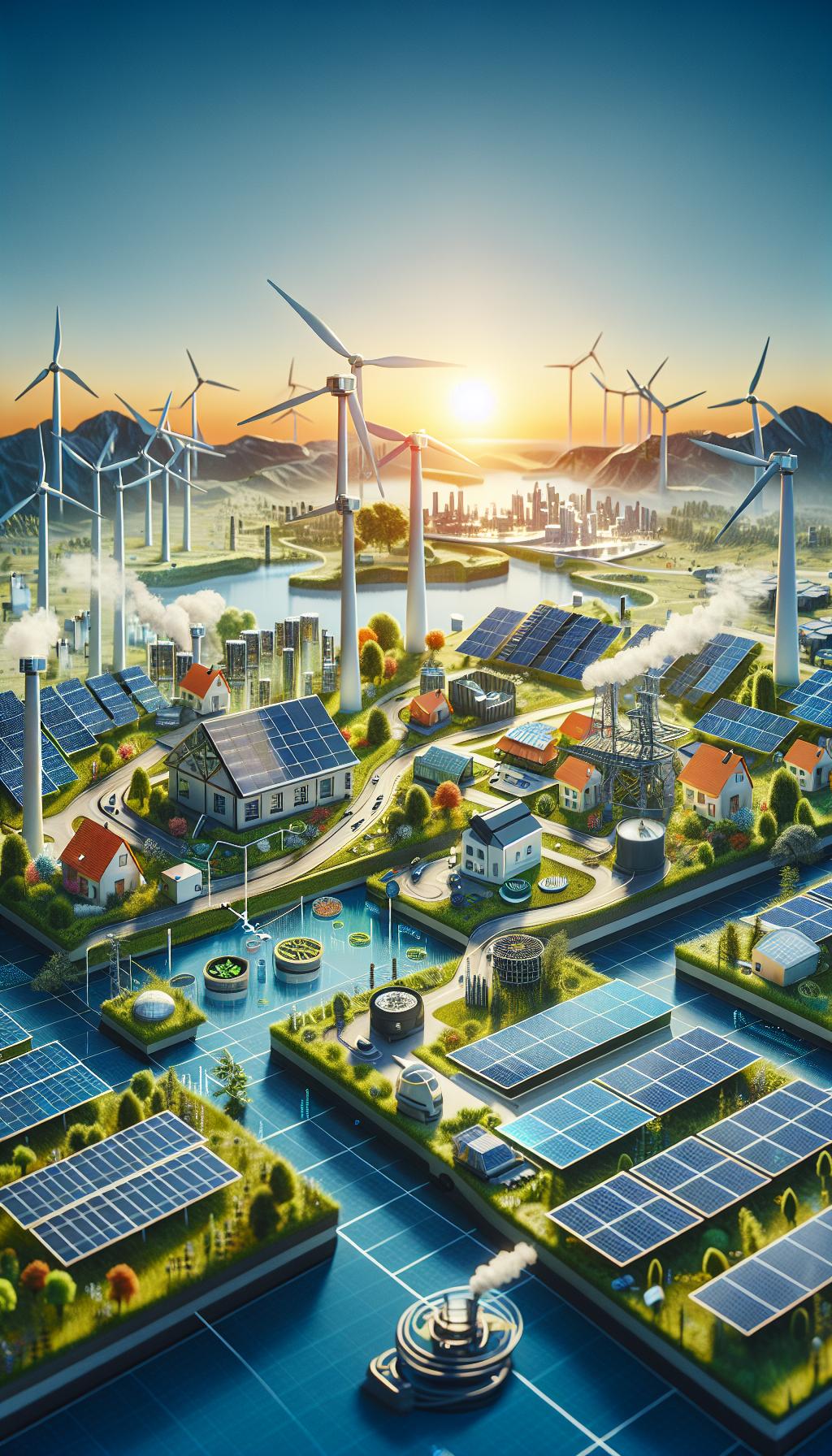
In the quest for renewable energy, geography plays a pivotal role that can either facilitate or hinder production efforts. For instance, regions with abundant sunlight, consistent wind patterns, or significant water resources are prime candidates for solar, wind, and hydroelectric power, respectively. However, not all locations are created equal, and some may be termed “the worst places for renewable energy.” These geographic factors come into play when assessing the feasibility of renewable energy projects, as they can critically influence not only the efficiency of energy generation but also the overall viability of sustaining operations over the long term.
Several geographic factors significantly impact renewable energy production:
- Topography: Mountainous or hilly terrains can hamper the installation of large-scale solar panels or wind turbines. For example, while wind energy is highly effective in coastal or elevated areas, areas surrounded by large mountains may struggle with consistent wind flow.
- Climate: While sunny regions boast high potential for solar power, areas with frequent cloud cover or prolonged rain can diminish energy output, making solar technology less practical.
- Proximity to resources: The location of renewable energy resources, such as rivers for hydroelectric projects or suitable land for wind farms, is crucial. Remote locations may experience higher transportation costs, complicating project economics and logistics.
- Natural disasters: Regions prone to hurricanes, floods, or wildfires face additional challenges in maintaining renewable energy infrastructure. For example, many solar farms in wildfire-prone areas require additional fire safety measures in their design and maintenance plans.
Understanding these factors can empower communities, governments, and energy developers to make informed decisions. For instance, areas that might initially seem less viable due to geographic constraints can benefit from innovative technological solutions, such as floating solar panels in significant water bodies or offshore wind farms designed to leverage powerful, steady sea breezes. It is essential to gauge the unique attributes of each potential project site, allowing for a tailored approach that considers not just energy generation, but also environmental, economic, and social contexts.
As we advance in the renewable energy sector, exploring underutilized geographic regions and developing adaptive strategies will unlock opportunities in areas traditionally seen as infeasible. By embracing these geographic realities, we can transform challenges into innovative solutions, ensuring a sustainable energy future while respecting the distinctive character of our landscapes.
Top Renewable Energy Resources and Their Limitations

The diverse array of renewable energy resources available today offers remarkable potential to transform our energy landscape, but geographical limitations can pose significant challenges to their effective implementation. Sunlight, wind, water, and biomass are the backbone of renewable energy generation, yet each comes with its own set of advantages and constraints that must be carefully considered in the context of their location.
Solar Energy
Solar energy is often heralded as one of the most abundant renewable resources; however, its efficacy is largely dependent on geographical factors. Regions located near the equator typically receive more consistent and intense sunlight throughout the year, making them prime candidates for solar power generation. In contrast, areas with frequent cloud cover or longer winter seasons, such as northern climates, may struggle with solar energy production. For example, Germany, despite its leading solar market, experiences limitations during its overcast winter months. Innovative solutions, such as solar energy storage systems, can help mitigate these limitations, enabling energy capture during sunny days to be utilized when conditions are less favorable.
Wind Energy
Wind energy stands as another potent renewable resource, leveraging atmospheric movements to generate power. Coastal and open plains are ideal for wind farms, where high and consistent wind speeds can translate into efficient energy output. However, inland areas or regions with complex terrain may experience turbulence that disrupts wind flow, reducing the potential energy capture. For instance, the Appalachian Mountains, while offering some strong wind sites, face challenges due to irregular wind currents and competing land uses. To overcome this, wind energy developers often look toward offshore wind farms, which can tap into more consistent ocean breezes without the topographical hindrances found on land.
Hydropower
Hydropower utilizes water flow from rivers and dams to generate electricity, making it a reliable and well-established renewable resource. However, it is heavily dependent on the geographical presence of sufficient freshwater bodies and specific climatic patterns. Areas with consistent rainfall and significant river systems, like the Pacific Northwest in the U.S., have successfully harnessed hydropower. Conversely, arid regions or those suffering from drought are not viable for such projects. Moreover, ecological impacts from damming rivers can raise environmental concerns, necessitating comprehensive environmental assessments beforehand.
Biomass Energy
Biomass energy generates power from organic materials, including crop waste, wood, and even municipal solid waste. While biomass can be generated in diverse geographic locations, its efficiency and sustainability can vary widely. Regions with rich agricultural activities or forestry resources have the potential to effectively utilize biomass. However, relying too heavily on biomass can lead to deforestation or food production conflicts, particularly in densely populated areas. Innovative practices like dedicated energy crops or waste-to-energy projects can help alleviate some of these limitations, enabling biomass to contribute to a circular economy focused on sustainability.
In conclusion, the geographical feasibility of renewable energy projects must be thoughtfully evaluated based on the resources available in a given area. Those tasked with implementing renewable energy solutions should prioritize not only the inherent advantages of resources like solar, wind, and hydropower but also consider the geographical challenges that may limit their deployment. By understanding these nuances, stakeholders can forge a path toward more efficient and sustainable energy production, irrespective of the inherent geographic limitations they may face.
Climate Challenges: How Weather Affects Renewable Energy
The effectiveness of renewable energy production is profoundly influenced by the climate, as various weather patterns can either bolster or hinder energy generation capabilities. For instance, regions that experience extreme weather variations, such as prolonged droughts, heavy storms, or inconsistent seasonal patterns, often face significant challenges in harnessing solar, wind, and hydropower resources efficiently. Understanding how these climatic elements interact with renewable technologies can illuminate the best approaches for maximizing energy production, even in less-than-ideal conditions.
Solar Energy and Weather Variability
Sunlight availability can fluctuate dramatically with weather changes. Areas that experience seasonal variations in cloud cover or precipitation levels may find their solar generation capacity declining during certain months. For example, while solar panels in southern California can maintain strong output year-round, cities in the Pacific Northwest may see considerable drops during the winter months due to frequent rain and shorter days. In these situations, the adoption of energy storage systems becomes paramount. Utilizing advancements in battery technology allows for better capture of excess energy during sunny days, making it possible to store that energy for use when conditions turn unfavorable.
Wind Energy: Harnessing the Elements
Wind energy is similarly affected by climatic conditions. Regions prone to seasonal wind patterns can experience fluctuations in energy generation depending on the time of year. The midwestern United States, with its vast plains, typically enjoys strong, steady winds ideal for wind farms. Conversely, coastal areas might face challenges due to tropical storms or hurricanes, which can cause temporary shutdowns or long-term damage to wind turbines. Developers must consider these risks, potentially integrating weather-resilient technologies and grid management practices to maintain consistent energy flow despite varying wind conditions.
Hydropower: The Impact of Rain and Runoff
Hydropower generation relies heavily on consistent water flow, which is affected by seasonal rains, droughts, and melting snowpacks. Regions experiencing shifts in precipitation patterns due to climate change may face unreliable water sources; for example, river systems in California have seen significant variability due to prolonged drought years. To address this issue, adaptive management practices that include building reservoirs or creating small-scale run-of-the-river systems can help distribute water supply more evenly and ensure sustainable energy production over time.
Ultimately, while climate challenges present significant hurdles for renewable energy deployment, they also open pathways for innovation. Accurate weather forecasting, advancements in energy storage solutions, and developing diverse energy portfolios can help mitigate the adverse effects of weather variability. By recognizing and accommodating climatic influences on renewable energy strategies, stakeholders can facilitate a more resilient energy future, enabling them to harness the power of nature even when conditions are not ideal.
Infrastructure Gaps: Barriers to Renewable Energy Deployment
The transition to renewable energy sources is not just about harnessing wind, sunlight, and water; it’s also deeply rooted in the adequacy and accessibility of the infrastructure necessary to support these technologies. Despite the potential for clean energy, many regions struggle with significant infrastructure gaps that impede the efficient deployment and integration of renewable resources. For instance, inadequate transmission networks can prevent energy produced in rural areas-rich in wind or solar resources-from reaching urban centers where demand is highest. This disconnection echoes a fundamental truth: without sufficient infrastructure, renewable resources may go underutilized, stalling progress toward sustainable energy goals.
One major challenge is the aging electric grid, which often lacks the capacity to manage the fluctuating and distributed nature of renewables. Many grids were designed for a centralized generation model reliant on fossil fuels. As a result, they can struggle with the complexities of integrating distributed energy sources like rooftop solar panels and community wind projects. Upgrading to a more flexible and resilient smart grid can mitigate these issues. A smart grid incorporates advanced sensors, communication technologies, and automated systems to better balance energy supply and demand, ensuring a smoother integration of renewables while minimizing energy losses.
Roadblocks in Storage and Distribution
Another critical infrastructure gap lies in energy storage solutions. Renewable resources can be intermittent-solar energy is available mainly during the day, and wind energy can vary throughout the week. To address this variability, robust energy storage systems, such as batteries or pumped hydro storage, are essential. However, the current storage capacities are insufficient in many regions, acting as a bottleneck that limits the potential of renewable energy projects. Investments in innovative storage technologies can enable greater energy capture during peak generation times, making it possible to deliver consistent power even when conditions aren’t favorable.
The Role of Policy in Overcoming Infrastructure Gaps
Moreover, regulatory frameworks often lag behind the technological advancements needed for supporting infrastructure. Policymakers play a crucial role in enabling or inhibiting progress through funding initiatives, codes, and standards that either encourage or hinder renewable energy projects. A comprehensive approach that includes incentives for infrastructure development, such as grants for grid upgrades and subsidies for energy storage technologies, can stimulate investment and innovation in the renewable sector. Furthermore, fostering collaboration among state and local governments, utilities, and private investors can build a more cohesive strategy to bridge infrastructure gaps.
In conclusion, while the path toward renewable energy is fraught with challenges related to infrastructure, these obstacles are surmountable with thoughtful investment, innovation, and collaboration. By championing improved grid technology, investing in storage solutions, and advocating for supportive policies, communities can lay the groundwork for a sustainable energy future, transforming the way energy harnessed today meets the needs of tomorrow.
Regulatory Hurdles: Navigating Policy Challenges
Navigating the complex landscape of regulations can feel like a daunting task for anyone interested in renewable energy deployment, especially in regions where geographic challenges create additional barriers. A recent study indicated that up to 50% of potential renewable energy generation in certain areas remains untapped due to regulatory constraints. As demand for clean energy continues to grow, understanding how these hurdles can be addressed is critical for stakeholders at every level-from local advocates to large-scale investors.
The first significant challenge comes from the inconsistency in policies across different states and municipalities. Each region has its own set of rules and requirements, which can create confusion and deter investment. For instance, some areas may offer incentives such as tax credits for solar installations, while others have more stringent regulations that make permitting a lengthy, complex process. This patchwork of regulations means that many renewable energy projects may end up stalled, unable to meet the diverse requirements set forth by various authorities. To overcome this, stakeholders must advocate for streamlined permitting processes and standardized regulations that promote uniformity across jurisdictions, making it easier to deploy renewable technologies regardless of location.
In addition, regulatory bodies often face pressure from traditional energy sectors resistant to change. Lobbying by fossil fuel interests can influence the creation of policies that disincentivize renewable energy advancements, such as unfavorable tax structures or unfavorable grid access rules. Advocating for policies that level the playing field-such as feed-in tariffs or renewable portfolio standards-can help ensure that renewable resources are not unfairly disadvantaged. By showing lawmakers the economic benefits and job creation potential of a green energy shift, communities can encourage more supportive legislation.
Community Engagement and Advocacy
Another critical avenue involves engaging local communities in the policy-making process. When community members have a voice, they can advocate for changes that align with their needs. Public meetings, workshops, and consultations can educate residents about the benefits of renewable energy while gathering local input on proposed projects. This grassroots approach not only fosters a sense of ownership but also ensures that concerns are addressed early, reducing the chance of opposition down the line.
The role of technology in navigating regulatory challenges also cannot be overlooked. Advanced modeling tools and data analytics can help illustrate how renewable projects might fit into existing regulatory frameworks, showcasing their compatibility and potential benefits. Policymakers equipped with clear, data-driven insights are more likely to embrace innovations in energy generation and distribution.
By working toward cohesive regulation, fostering community involvement, and leveraging technology, stakeholders can effectively navigate the regulatory landscape. Together, these efforts can unlock the potential for renewable energy in regions currently facing significant geographic and regulatory challenges, paving the way for a sustainable energy future.
Community Opposition: Understanding Local Resistance
Local resistance to renewable energy projects can significantly hinder progress in the transition to greener alternatives, with various communities voicing concerns that must be understood and addressed. Studies show that nearly 60% of proposed renewable energy initiatives face opposition at the community level, often due to a variety of unique factors, such as environmental concerns, aesthetic preferences, or social dynamics. By delving into the underlying reasons for this resistance and learning how to effectively engage with communities, stakeholders can pave a smoother pathway for renewable projects.
One major source of opposition has been the perception of adverse impacts on local environments and landscapes. For instance, wind turbines, while environmentally friendly, can be viewed as unsightly or disruptive to the natural beauty of an area. This concern was vividly demonstrated in the case of Cape Cod, where community members vehemently opposed the proposed offshore wind project, citing worries about its impact on tourism and the visual landscape. To alleviate these fears, it is crucial to involve local residents early in the planning process, allowing them to express their views and contribute to decision-making, fostering a sense of ownership and inclusion.
Effective Strategies for Engagement
To transform resistance into support, stakeholders should implement comprehensive community outreach strategies. Here are some actionable steps to consider:
- Conduct thorough community assessments: Understand the local demographics, values, and priorities. Tailored outreach can help address specific concerns and show respect for community perspectives.
- Host interactive workshops: Facilitate discussions that encourage dialogue between renewable energy advocates and community members. Inclusion of local experts can also help dispel myths and clarify misconceptions about renewable technologies.
- Showcase success stories: Highlight existing renewable projects in similar communities that have had a positive impact. Real-world examples can provide the reassuring evidence needed to ease fears.
Moreover, providing educational resources that demonstrate the economic benefits of renewable energy-such as job creation, lower energy costs, and long-term sustainability-can help shift perceptions. For example, communities in Iowa that adopted wind energy saw significant job growth and increased local revenues, encouraging skepticism to transform into enthusiasm as residents experienced tangible benefits.
In navigating this complex opposition landscape, it is also essential to address the nuances of local identities and values. Tailoring communication to honor community pride and concerns can bridge divides, fostering partnerships that ultimately promote renewable initiatives. As the push for sustainable energy continues to grow, understanding and overcoming community resistance will be critical in ensuring the successful deployment of renewable resources in the most challenged geographic areas.
Economic Considerations: Costs of Renewable Energy Projects
The financial landscape of renewable energy projects often presents a complex puzzle, especially in regions that are deemed less conducive to energy production. Understanding the costs associated with these initiatives is paramount for stakeholders looking to navigate geographic challenges effectively. The initial capital outlay for renewable energy installations can be substantial, encompassing expenses related to technology acquisition, land use, grid integration, and ongoing maintenance. For instance, while solar photovoltaic systems have become increasingly affordable, the costs can escalate in areas with high land prices or strict zoning regulations.
Initial Investment Versus Long-term Benefits
The up-front costs may deter some investors or communities from pursuing renewable energy projects, particularly in locations where conventional energy sources have historically dominated. However, it’s vital to consider the life-cycle analysis of such projects. Over time, renewable energy sources often yield significant savings. While traditional fossil fuels might appear cheaper initially, their volatile market prices and hidden environmental costs can negate any short-term advantages. States like California, for example, have seen substantial reductions in energy costs and emissions through investments in wind and solar, emphasizing that the long-term economic benefits can outweigh initial hesitations.
- Leverage federal and state incentives: Numerous government programs exist to support renewable energy projects financially. Understanding and utilizing these incentives can dramatically lower initial costs, making projects more viable even in challenging geographic areas.
- Build community wealth through local initiatives: Engaging local communities in ownership or management of renewable energy projects can spread costs and increase local investment. This model has seen success in community solar projects, where residents share in the benefits of renewable energy production.
- Consider innovative financing solutions: Crowdfunding, social financing, and public-private partnerships can provide alternative avenues for funding. Creative financial structures can ease the burden on entities wishing to invest in renewable resources in economically challenged regions.
Moreover, potential operational costs should be assessed not only in monetary terms but also in relation to societal impacts. Successful renewable projects can generate employment opportunities, enhance local economic resilience, and reduce reliance on external energy sources. Notably, states that have invested in renewable energy, such as Texas with its booming wind sector, have become national leaders in job creation, demonstrating that strategic investment in this sector can lead to broader economic revitalization.
Balancing initial costs with long-term benefits requires a nuanced understanding of both local conditions and available resources. Collaboration between stakeholders, economic incentives, and community involvement can contribute significantly to making renewable energy projects feasible, even in the most challenging geographic landscapes. Through calculated investments and robust community engagement, the path toward sustainable energy can become more accessible and beneficial for all involved.
Environmental Concerns: Balancing Nature and Energy Needs
The transition to renewable energy often brings with it a pressing question: how can we harness natural resources while ensuring the environment remains intact? The shift away from fossil fuels toward clean energy solutions is essential in combating climate change, yet the implementation of these technologies can sometimes disrupt local ecosystems and biodiversity. Striking the right balance between energizing our lives and protecting nature is both a challenge and an opportunity for innovation.
One of the most visible environmental concerns arises from the physical footprint of renewable energy installations. Solar farms can occupy vast tracts of land, potentially displacing habitats for wildlife or agricultural activities. Wind turbines, while effective at generating clean power, can impact bird and bat populations. To navigate these challenges, developers and policymakers need to prioritize careful site selection and mitigation strategies. Integrating ecological assessments during the planning phase can identify sensitive areas and help to devise solutions that minimize ecological disruption.
Moreover, implementing innovative designs can significantly reduce environmental impacts. For example, floating solar farms on bodies of water can prevent habitat loss on terrestrial lands. These installations not only provide clean energy but also reduce water evaporation and improve water quality by limiting algae growth. In the case of wind energy, turbine design has evolved to enhance bird safety, utilizing technology that detects and mitigates potential collisions.
Community engagement is essential in addressing and alleviating environmental concerns associated with renewable energy projects. Local stakeholders can provide valuable insights about regional ecosystems and community values. By fostering open dialogues, developers can not only build trust but also encourage participation in conservation initiatives that align with renewable energy deployment. This holistic approach promotes both energy production and environmental stewardship.
In summary, while the expansion of renewable energy presents significant environmental challenges, it also opens avenues for innovative and sustainable solutions. By using ecological assessments, incorporating unique designs that minimize impact, and engaging communities in the process, we can create a more sustainable future that honors both our energy needs and the natural world. Balancing these elements is crucial for the next generation of energy solutions, paving the way for a cleaner, more resilient planet.
Innovative Solutions: Overcoming Geographic Obstacles
Geographic challenges can pose significant barriers to the effective deployment of renewable energy systems. However, with creativity and technology, these obstacles can be navigated, transforming potential problems into innovative solutions. For example, areas with limited land availability or uneven terrain can still tap into renewable resources through unconventional methods, maximizing both energy production and ecological harmony.
Harnessing Unconventional Locations
One approach to overcoming geographic limitations is by utilizing marginalized spaces that are often overlooked for energy generation. Urban areas, for instance, can benefit from vertical solar farms, where solar panels are installed on building rooftops or vertical green walls. This not only saves land but also contributes to reducing the urban heat island effect. Similarly, solar canopies over parking lots provide shaded areas while generating energy, thus efficiently utilizing existing infrastructure without disrupting local ecosystems.
Another innovative solution is the integration of renewable energy systems with agricultural practices, often referred to as agrivoltaics. This dual-use method allows for solar panels to be installed above crops; not only does it generate clean energy, but it also offers shade that can reduce water stress for plants, promoting higher yields and improved resource efficiency. Additionally, this integration can benefit farmers economically, providing them with an alternative revenue stream from leasing land for solar energy.
Adaptation to Climatic and Geographic Constraints
In regions experiencing extreme weather conditions or geographic challenges such as high winds or flooding, developers are adapting technology to ensure resilience and efficiency. Wind turbines are being designed to withstand stronger gusts, utilizing advanced materials and engineering practices to enhance durability. Floating wind farms are also emerging as a solution for maritime areas with consistent wind patterns-these installations can overcome space constraints and harness energy from areas not suitable for traditional wind farms.
In areas prone to flooding, hybrid renewable energy systems combining wind and solar power can provide flexibility and stability. For example, raising solar panels on platforms above flood levels allows energy generation to continue during adverse weather events, ensuring that communities remain powered and resilient even in challenging conditions.
Fostering Stakeholder Collaboration
Ultimately, innovative solutions thrive on collaboration among stakeholders, including local communities, businesses, and policymakers. Engaging communities in the renewable energy planning process fosters not only greater acceptance but also aids in identifying unique local challenges and opportunities. Localized knowledge can lead to tailored solutions, enhancing both the efficiency of renewable projects and their capacity to address specific geographic constraints.
Through technological advancements and collaborative efforts, we can transform geographic challenges into pathways for innovative energy solutions, ensuring that the transition to renewable energy is not only feasible but sustainable for all communities involved.
Case Studies: Lessons from the Worst Offenders
In examining the challenges faced by regions considered the least favorable for renewable energy production, it becomes evident that geographic factors play a pivotal role. Some areas contend with harsh weather conditions, while others struggle with lack of infrastructure or community resistance. However, by studying these “worst offenders,” we can glean valuable lessons and identify innovative approaches to drive renewable energy initiatives forward.
For instance, take the case of the Midwest United States, which experiences seasonal extremes-from frigid winters to scorching summers. These fluctuations can hinder the efficiency of traditional solar panels and wind turbines. However, states like Minnesota have focused on boosting their resilience by implementing advanced tracking systems for solar and specially designed wind turbines that optimize performance under varying conditions. Additionally, local utilities have invested in smart grid technologies, which enhance energy distribution efficiency and reduce waste, ensuring that renewable energy can effectively meet demand throughout the year.
Another compelling example comes from Texas, a state renowned for its expansive land and high wind potential yet often battered by hurricanes. The state has invested significantly in offshore wind farms, which, despite their higher initial costs, capitalize on more consistent wind patterns and reduce land use conflicts. By securing partnerships with local industries and leveraging innovative engineering solutions that ensure turbine safety during extreme weather, Texas is transforming its energy landscape and setting a precedent for coastal regions facing similar challenges.
Adaptation and Collaboration
The importance of community engagement cannot be overstated, particularly in regions where local opposition can stymie renewable projects. In California, instances of resistance from communities impacted by large-scale solar farms have led to new strategies that prioritize stakeholder collaboration. By incorporating community feedback early in the planning process and offering shared benefits-such as job creation and reduced energy costs-developers have been able to shift public sentiment and cultivate a more supportive environment for renewable initiatives.
Additionally, studying rural areas like Appalachia reveals that integrating renewable energy projects with local economies can yield win-win outcomes. By focusing on community needs and utilizing existing infrastructure, projects such as agrivoltaics have emerged, supporting both energy production and local agricultural needs. This dual focus on economic viability and energy sustainability has the potential to transform even the most hesitant communities into champions of renewable energy.
In summary, the insights gained from regions that face significant geographic and environmental challenges highlight the necessity of adaptive strategies, community involvement, and innovative technological solutions. By learning from these case studies, we can better navigate the obstacles on our path to a sustainable energy future, turning challenges into opportunities for growth and collaboration.
Future Trends: Geographic Adaptation in Renewable Energy
With the increasing urgency to address climate change, the pivot toward renewable energy is more pressing than ever, yet not every geographic location naturally lends itself to seamless renewable energy integration. Certain regions, often dubbed the “worst places” for renewable energy, grapple with unique challenges that require innovative solutions. The future of renewable energy, particularly in these less favorable locations, hinges on an adaptive approach that leverages cutting-edge technology, embraces resilient infrastructure, and fosters community acceptance.
Emerging technologies are poised to change the game for regions with geographic limitations. For instance, the development of advanced renewable energy systems, such as floating solar farms, presents a viable solution for areas plagued by land scarcity or unsuitable terrain. These modular systems can be installed on bodies of water, thereby minimizing land use and providing cooling effects to enhance solar panel efficiency. Moreover, vertical wind turbines are gaining traction in urban environments where space is limited. Their compact design allows them to harness wind energy effectively without the extensive land requirements traditional turbines demand.
Policy Innovation and Collaboration
Policy frameworks are also evolving to facilitate geographic adaptation in renewable energy deployment. Governments and local authorities are beginning to recognize the importance of integrating geographic data into energy planning efforts. By utilizing geographic information systems (GIS) to model wind patterns, solar radiation, and connectivity to existing grid infrastructure, policymakers can make informed decisions that optimize placement and scaling of renewable resources. This strategic planning can significantly mitigate the challenges posed by geography, enabling a smoother transition toward renewable energy.
Community collaboration plays a vital role in addressing geographic hurdles. Engaging local populations early in the planning stages helps identify concerns and opportunities unique to each area. For example, some cities in the Northeast United States have initiated “community solar” programs that allow residents to share in the benefits of solar energy without needing to install panels on their own properties. By adapting solar generation to community models, these initiatives not only enhance participation but also address land-use conflicts that often arise in areas with limited space.
As we look ahead, incorporating educational programs to enhance understanding of renewable energy benefits can further shift public sentiment. Initiatives that promote local job training in renewable energy sectors will directly engage communities while cultivating a supportive environment for renewable projects.
In summary, the future of renewable energy in geographically challenging regions relies on spearheading adaptable technology, fostering innovative policy frameworks, and cultivating community involvement. By embracing these evolving trends, we can inspire a new wave of innovation and move closer to a sustainable energy landscape, regardless of geographic constraints.
Frequently asked questions
Q: What are geographic challenges for renewable energy installation?
A: Geographic challenges for renewable energy installation include uneven terrain, extreme weather conditions, lack of infrastructure, and limited access to resources. These factors can hinder the effectiveness and scalability of renewable technologies. Understanding these challenges helps in site selection and can lead to more strategic energy policies.
Q: Which locations are considered the worst for solar energy generation?
A: Locations with frequent cloud cover, high air pollution, or minimal sunlight exposure, such as regions in the Pacific Northwest of the U.S. and parts of Northern Europe, are considered poor for solar energy. Choosing sites with adequate sunlight exposure is crucial for effective solar energy solutions.
Q: How does extreme weather affect wind energy production?
A: Extreme weather, such as hurricanes or ice storms, can damage wind turbines and hamper energy production. Areas prone to such conditions, like coastal regions, may face high maintenance costs. Adopting wind turbine technologies designed for harsh climates can mitigate these risks.
Q: Why is it difficult to implement hydroelectric energy in certain regions?
A: Implementing hydroelectric energy can be challenging in regions with low water flow or limited access to large water bodies. Additionally, environmental regulations and community opposition in sensitive areas can impede project initiation. Assessing water resources thoroughly is essential before planning.
Q: What geographic factors affect geothermal energy exploitation?
A: Geothermal energy is most viable in volcanic regions or areas with tectonic activity, like the Ring of Fire. Regions lacking these geological features, such as the Midwest U.S., are typically unsuitable. Conducting geological surveys can identify promising sites for geothermal projects.
Q: Where are the best locations for implementing renewable energy solutions?
A: Ideal locations for renewable energy solutions typically feature ample sunshine, consistent winds, and abundant water resources. Coastal regions, deserts, and mountainous areas often offer high potential for solar, wind, and hydroelectric power. Use renewable energy resource maps to guide site selection.
Q: What communities are most impacted by geographic challenges in renewable energy?
A: Rural and isolated communities often face significant geographic challenges, including limited infrastructure and access to necessary resources. These communities can benefit from localized renewable energy solutions, such as microgrids, which increase energy independence and efficiency.
Q: How can countries overcome geographic challenges for renewable energy?
A: Countries can overcome geographic challenges by investing in technology, such as floating solar panels and advanced battery storage. Policymakers should prioritize renewable energy integration by creating robust frameworks for energy accessibility and resilience. Building partnerships with local communities fosters innovative solutions.
For more insights on how geographic challenges impact renewable energy, explore our main article here. Feel free to reach out if you have more questions or need further information!
Key Takeaways
Understanding the geographic challenges for renewable energy is crucial in our shift towards sustainability. While some areas face significant hurdles, recognizing these issues empowers us to advocate for innovative solutions. If the locations discussed raised any questions or concerns, don’t hesitate to reach out for clarity or guidance-exploring renewable energy can be daunting, but you’re not alone in this journey!
To further your knowledge, check out our articles on The Best Locations for Wind Energy and Harnessing Solar Power in Unexpected Places for insights into overcoming these geographic barriers. Ready to dive deeper? Subscribe to our newsletter for the latest updates on clean energy innovations, or explore our comprehensive toolkit for homeowners looking to make a sustainable impact.
Join the conversation! Share your thoughts on renewable energy challenges in the comments below, and let’s build a community focused on creating a greener future together. Your voice matters, and every step towards sustainability counts!
Get our latest guides, news, and insights highlighted in your Google Search & AI Overviews.