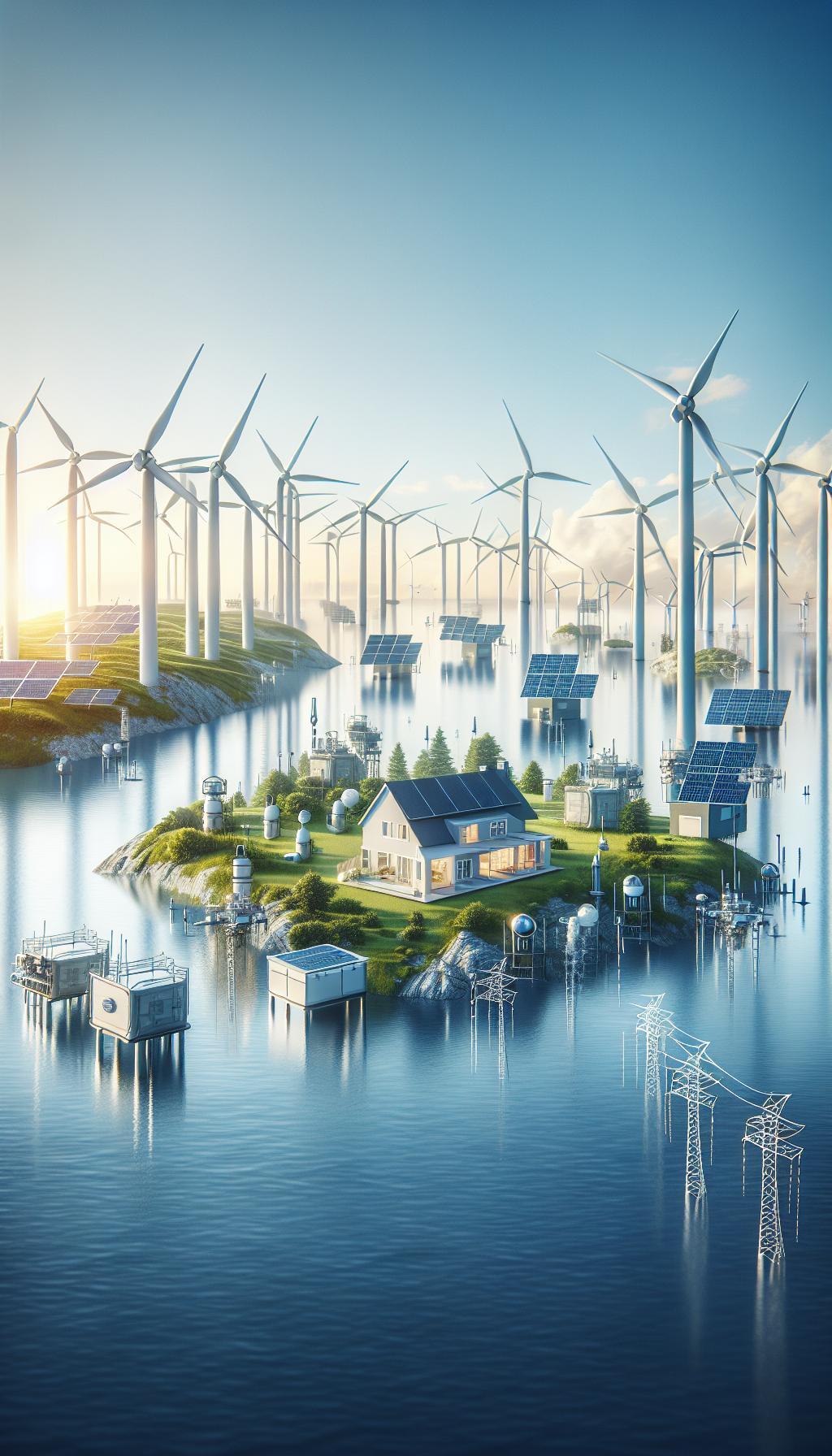

As the world increasingly turns to renewable energy solutions, offshore wind turbines have emerged as a promising answer to combat climate change. However, a critical question arises: how do these structures impact marine life? Understanding the environmental implications of offshore wind farms is essential for ensuring that our strides toward sustainability do not inadvertently harm aquatic ecosystems.
The growth of this green technology presents an opportunity to explore not only its benefits-like reduced carbon emissions-but also the potential disruptions it may cause to marine habitats and species. This conversation is especially relevant for those invested in the health of our oceans, from fishermen and conservationists to coastal communities. As you delve into the nuances of this topic, you will uncover vital insights into the balance between harnessing clean energy and preserving marine biodiversity. Together, we can navigate these pressing issues to foster a future where both renewable energy and marine life can thrive.
Impact of Offshore Wind Turbines on Marine Ecosystems
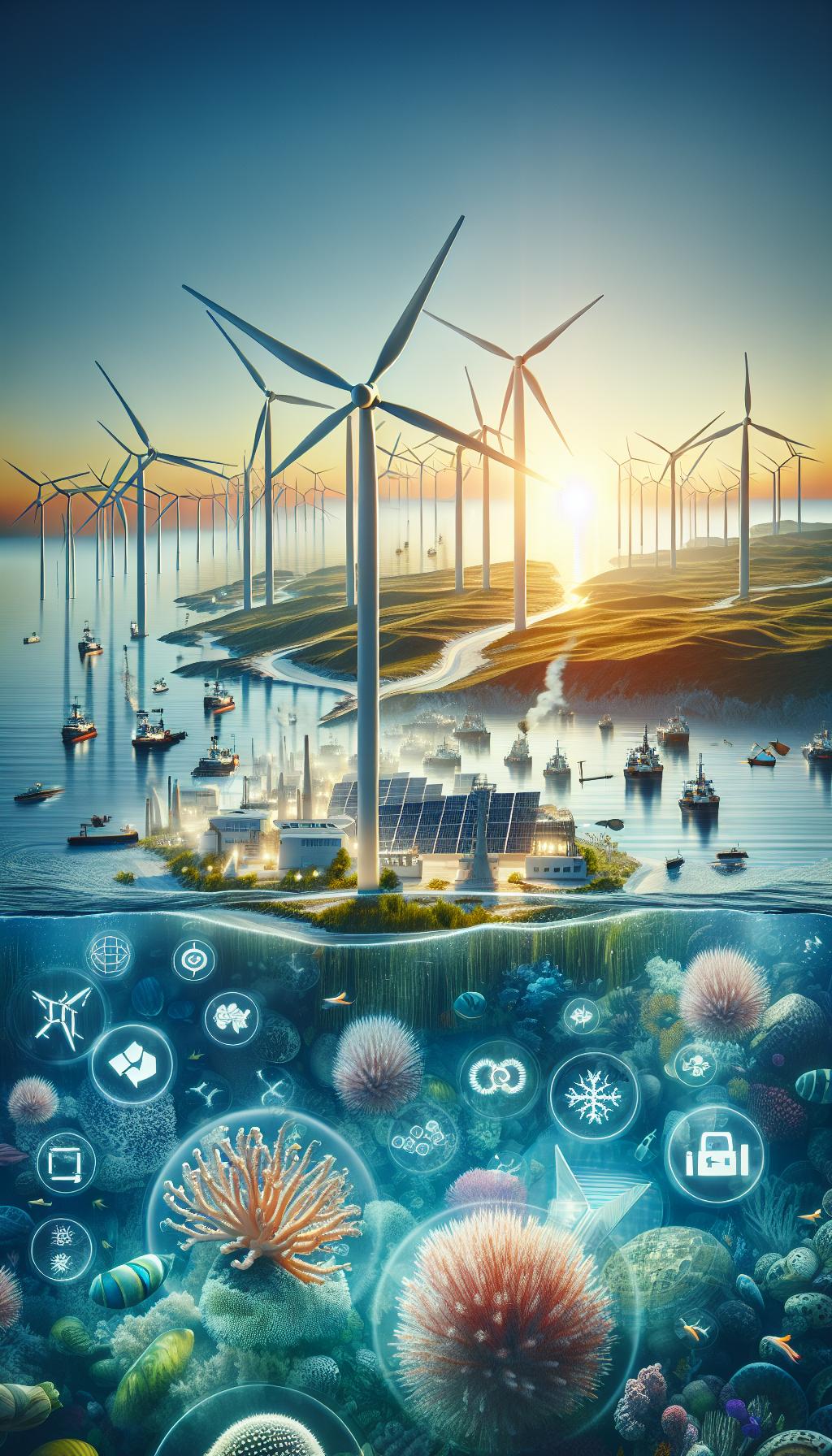
Offshore wind farms are rapidly being recognized as a pivotal solution in the transition to renewable energy, but their deployment brings a complex set of interactions with marine ecosystems. Research indicates that these large structures can act as artificial reefs, creating new habitats for fish and invertebrates. The presence of turbines can enhance local biodiversity by providing shelter and foraging opportunities for various species. For instance, studies have documented increased fish populations around turbines, as well as the attraction of species such as crabs and mussels, which thrive in these modified environments.
However, while the creation of habitat can be beneficial, there are potential risks associated with the presence of wind turbines in marine ecosystems. The changes in water flow and sediment patterns can disrupt local habitats that certain species rely on for breeding or foraging. Additionally, the physical presence of the turbines may impede the movement of marine wildlife, particularly migratory species. Addressing these concerns calls for a balanced approach to wind farm design that prioritizes ecological sensitivity.
A critical aspect of the impact of offshore wind farms is the issue of noise pollution generated during both construction and operation. The underwater noise produced can affect marine mammals such as dolphins and whales, which rely on echolocation for navigation and communication. To mitigate these effects, developers are increasingly adopting strategies like noise reduction techniques and implementing seasonal construction windows to avoid sensitive periods for marine life.
Overall, evaluating the requires a holistic approach that not only considers the benefits of renewable energy but also the necessary protections for biodiversity. Continuous monitoring and research are essential for understanding these interactions and ensuring that offshore wind projects contribute positively to both energy goals and marine conservation. Engaging local communities and stakeholders in these discussions further enriches the decision-making process, fostering support for sustainable practices that protect our oceans while harnessing wind energy effectively.
Understanding Marine Life Interactions with Wind Farms
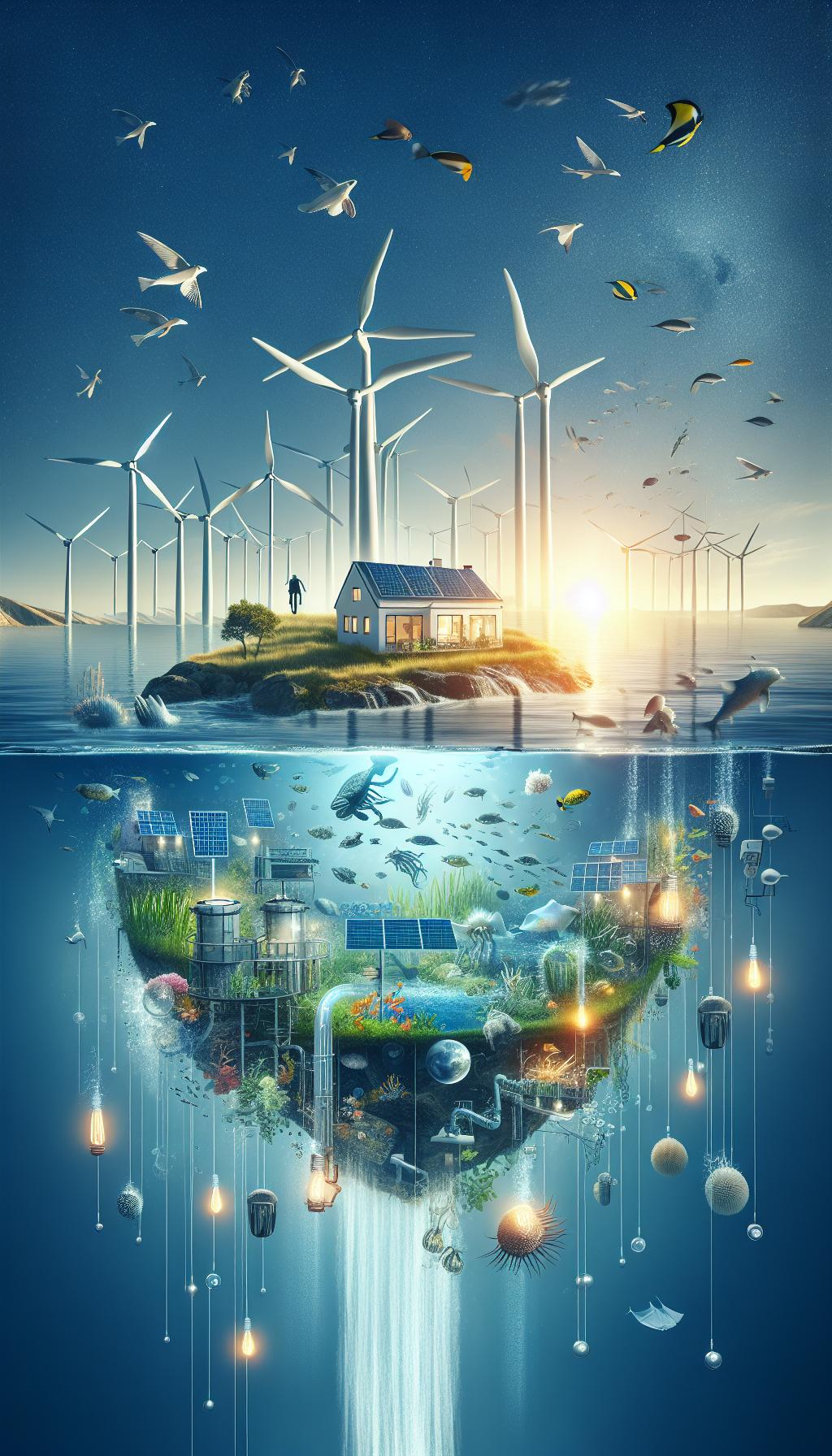
The deployment of offshore wind farms is not just a leap towards renewable energy; it presents an intriguing opportunity to observe and study how marine ecosystems adapt to these towering structures. Research has shown that wind farms can significantly influence local marine life interactions. The underwater structures of turbines often mimic the characteristics of reefs, offering new habitats for a variety of marine organisms. This transformation can result in increased biodiversity, as certain species may thrive in the shelter and foraging opportunities presented by these installations.
Over time, scientists have documented notable increases in fish populations surrounding wind farms. Species such as snapper and grouper frequently use turbine foundations as nesting or feeding sites. Additionally, invertebrates like crabs and various types of mussels find ample food sources and shelter from predators in the crevices created by these structures. This growth in marine life not only enhances local biodiversity but can also boost the fishing industry in the vicinity, as fishers are often drawn to areas with healthy marine populations.
However, the interactions between marine life and wind farms are not exclusively positive. The physical presence of turbines can alter migratory pathways for certain marine species, affecting their breeding and feeding routines. For instance, migratory fish may find their traditional routes disrupted by the outline of these structures, leading to changes in population dynamics. It becomes essential for developers and environmental planners to thoroughly assess migratory patterns and design wind farms in a way that minimizes disruption, implementing alterations like turbine spacing and orientation when appropriate.
To ensure that wind farms effectively coexist with marine habitats, continuous monitoring and adaptive management strategies are crucial. Engaging local communities and stakeholders in dialogue fosters a collaborative approach to sustainability, enhancing the effectiveness of conservation efforts and encouraging the development of eco-friendly practices. The future of offshore wind energy lies not only in harnessing wind for power but also in nurturing the marine ecosystems that share our oceans. By creating well-informed projects that respect aquatic life, we can move toward a more sustainable and harmonious coexistence with our natural world.
Benefits of Offshore Wind Energy for Marine Environments
The rise of offshore wind energy is revolutionizing our approach to renewable resources, not only for reducing carbon emissions but also for fostering marine ecosystems. One of the most compelling benefits lies in the creation of artificial reefs through wind turbine foundations. These structures can mimic natural habitats, providing shelter and food sources for a myriad of marine species. As fish populations flourish around these installations, anglers often find improved catch rates near wind farms, turning previously barren areas into bustling ecosystems.
Moreover, offshore wind farms can help stabilize sediment and promote the growth of aquatic grasses, which are vital for maintaining healthy marine environments. The presence of these turbines can enhance local fisheries by creating safe havens that attract fish and invertebrates. Studies have shown increases in biodiversity in the vicinity of wind farms, as species such as crabs, mollusks, and various fish congregate around the turbine structures, utilizing them for nesting and feeding opportunities. This ecological boost not only supports fish stocks but also contributes to improved water quality by encouraging a balance in maritime food webs.
In the broader context of climate action, offshore wind energy plays a crucial role in mitigating the effects of climate change on marine habitats. By reducing reliance on fossil fuels, we indirectly protect marine ecosystems from the adverse effects of pollution and underwater noise associated with conventional energy extraction methods. Wind farms can serve as a beacon of sustainable innovation, proving that renewable energy development can go hand in hand with marine conservation.
Lastly, ongoing research and monitoring efforts are essential to maximize the positive impacts of offshore wind energy while minimizing potential disruptions to marine life. Engaging with local communities and stakeholders ensures that development projects are not only environmentally sound but also economically beneficial, promoting a collaborative approach to energy and ecosystem management. By prioritizing biodiversity in the planning stages, we can create offshore wind farms that contribute significantly to both energy needs and the vitality of marine environments.
Potential Risks of Wind Turbines to Aquatic Species
The introduction of offshore wind turbines into marine environments brings both promise and potential challenges. While these structures are crucial for harnessing renewable energy, they can also pose various risks to aquatic species that inhabit these waters. Understanding these risks is essential for stakeholders involved in offshore developments, conservation efforts, and fishing industries, as well as for the general public advocating for sustainable practices.
One of the significant risks associated with offshore wind farms is habitat disruption. The construction phase can lead to immediate and often significant alterations to the seabed, which is vital for many marine species. For instance, the installation of turbine foundations can displace benthic organisms that rely on specific substrate types for survival. The long-term presence of these structures may create artificial environments, which, while beneficial for some species, could alienate those that prefer natural habitats. Additionally, the reconfiguration of currents and sediment patterns around these installations may impact local ecosystems, affecting processes like nutrient cycling and the distribution of species.
Another critical concern is collision risk, especially for larger marine animals such as seabirds and marine mammals. Although wind turbines are generally designed to be visible, the sheer height and scale can still lead to accidents, particularly in poor visibility conditions. Furthermore, the operational phase introduces underwater noise pollution, which can disrupt communication and navigation for many aquatic species, particularly marine mammals that rely on echolocation. The noise from turbines can interfere with mating calls, feeding habits, and even migratory patterns, creating a ripple effect throughout the marine ecosystem.
To address these challenges, it is imperative to implement robust monitoring and mitigation strategies. This includes conducting thorough environmental impact assessments before the installation of wind farms, employing technologies to track marine fauna movements, and establishing exclusion zones during sensitive periods of animal life cycles. Moreover, ongoing research into the recovery and adaptation of local ecosystems in response to wind farm presence can inform better practices and policies. Engaging local communities in monitoring efforts not only fosters a sense of stewardship but also harnesses local knowledge to enhance conservation outcomes.
In summary, while the benefits of offshore wind energy are substantial, it is crucial to remain vigilant about their potential risks to aquatic species. Balancing renewable energy development with marine conservation can lead to informed solutions that protect vulnerable ecosystems while meeting energy needs. By working collaboratively, we can ensure that the transition to cleaner energy sources does not come at the expense of our precious marine life.
Noise Pollution from Wind Turbines: Effects on Marine Life
The introduction of offshore wind turbines significantly alters underwater soundscapes, prompting concern about the effects of noise pollution on marine life. Marine organisms, especially those relying on sound for communication, navigation, and hunting, may face challenges due to the high-frequency sounds emitted during turbine operation. This becomes particularly critical for species such as cetaceans (whales and dolphins) and pinnipeds (seals), which depend on echolocation and vocalizations to thrive in their ecosystems.
Research indicates that the constant low-frequency noise produced by wind turbines can mask the natural sounds in their environment, hindering vocal communication among marine mammals. For instance, studies have shown that sailors’ and whales’ communication ranges can be reduced significantly in noisy waters, leading to challenges in finding mates and coordinating social behaviors. In addition, the interference can disrupt feeding patterns, as some species rely on sound to locate prey. If they can’t hear the sounds made by their food, it could lead to decreased feeding efficiency and potential starvation.
Mitigating the impacts of noise extends beyond just monitoring sound levels. Incorporating effective planning and operational strategies is essential. This includes careful site selection for wind farms, exploiting areas with lower biodiversity or fewer sensitive species. Employing sound-dampening technologies during construction and operation can further minimize the environmental impact. For example, manufacturers are increasingly experimenting with designs that can reduce underwater noise generation, such as optimizing turbine blade shapes and employing bubble curtains during installation.
Engaging local communities and stakeholders in ongoing monitoring initiatives provides another layer of protection. By establishing baseline sound level measurements and tracking changes over time, researchers and developers can better understand and manage noise pollution’s ecological impacts. Furthermore, raising awareness about the complexities of marine acoustics can inspire collective efforts to protect marine ecosystems, fostering a sense of stewardship that benefits both local communities and marine species alike. Thus, while the transition to renewable energy is crucial for our planet, blending it with scientifically informed practices ensures that we protect the intricate web of life beneath the waves.
Alterations in Habitat Due to Offshore Wind Farms
The establishment of offshore wind farms not only signifies a major step toward renewable energy but also leads to significant alterations in the marine habitat. These changes can reshape both physical landscapes and ecological interactions, offering both challenges and opportunities for marine biodiversity. One notable impact is the construction phase, which involves seabed disruption, creating artificial structures that can encourage certain species while displacing others. The presence of wind turbines provides new microhabitats that can become home to various marine organisms, fostering an environment that might attract fish and other marine life.
In addition to physical alterations, the introduction of wind farms can also lead to changes in local trophic dynamics. Species that typically thrive in open waters may find refuge around turbine structures, leading to increased biodiversity in these areas. This phenomenon can sometimes result in enhanced fish populations, particularly for species that are drawn to the complex habitats created by the turbines. Observations have shown that certain fish species exhibit a preference for these newly formed reef-like structures, which can offer protection from predators and abundant foraging opportunities.
However, while the introduction of offshore wind farms may indeed provide benefits, it is essential to consider potential habitat degradation that could arise from farm operations. The noise and movement associated with ongoing turbine function can disturb local fauna, potentially leading to behavioral changes in marine species. Moreover, the accumulation of particulate matter from construction activities can smother delicate sea bottom organisms, further necessitating a balanced approach to wind farm development.
Mitigation strategies play a crucial role in addressing these habitat alterations. Implementing careful planning processes is vital, ensuring that wind farms are constructed in areas where their impact on sensitive habitats and species can be minimized. Engaging with marine ecologists early in the design process allows for the integration of best practices, such as monitoring wildlife movements and adapting operational protocols based on real-time ecological data. This proactive approach helps ensure that the transition to renewable energy does not come at the expense of marine ecosystems, paving the way for a more sustainable coexistence between human energy needs and marine biodiversity.
Mitigation Strategies for Protecting Marine Biodiversity
To ensure the long-term health of marine ecosystems amid the rise of offshore wind farms, implementing effective mitigation strategies is essential. As these renewable energy sources proliferate, proactive measures can minimize ecological disruption while maximizing benefits. One powerful approach is enhancing the planning and site selection processes to avoid sensitive habitats. By conducting thorough environmental impact assessments (EIAs) before construction, developers can identify and avoid areas critical for marine life, such as breeding and feeding grounds.
Incorporating technological innovations can also play a significant role in protecting marine biodiversity. Acoustic monitoring systems can track underwater noise levels, enabling operators to adjust turbine operations during sensitive periods, such as mating seasons for local marine species. Furthermore, environmental monitoring using remote sensing technology can provide real-time data on marine life interactions with turbines, allowing for adaptive management strategies to be employed as necessary.
Engagement with local communities and stakeholders is another critical strategy. By fostering relationships with fishermen, conservation groups, and scientists, developers can gain insights into local ecosystems and the potential impacts of wind farms. Public involvement can also help address community concerns, ensuring projects are designed with both ecological and social considerations in mind. Collaborative initiatives, like creating artificial reefs from decommissioned turbines, can transform wind farms from mere energy sources into vibrant marine habitats, offering new foraging grounds for fish and other marine organisms.
Ultimately, the integration of thorough planning, advanced technology, and community engagement forms a robust framework for mitigating impacts on marine biodiversity. By committing to ongoing research and monitoring efforts, stakeholders can remain adaptive and responsive, ensuring that the transition to renewable energy does not compromise the very ecosystems we aim to protect. Through these strategies, offshore wind farms can coexist harmoniously with marine life, supporting both energy goals and ecological integrity.
Case Studies: Successful Integration of Wind Turbines and Marine Life
The growing landscape of offshore wind farms has opened a new front in renewable energy, but it also presents unique challenges and opportunities for marine life. Notably, several case studies highlight how strategic planning and innovative practices can foster successful coexistence between wind energy operations and marine ecosystems. For instance, the installation of the Block Island Wind Farm off the coast of Rhode Island not only provided clean energy but also created new habitats for various marine species. Researchers observed that the structures attracted fish, leading to increased biodiversity in the immediate area, showcasing how offshore wind farms can act as artificial reefs.
In another example, the Horns Rev 1 and 2 offshore wind farms in Denmark have been carefully monitored to assess environmental impacts over the years. Studies conducted here have indicated that the underwater noise generated by the turbines did not significantly disrupt the behavior or populations of local marine species. Instead, these wind farms have become focal points for marine life, primarily due to the enhanced habitat complexity they provide. Such findings support the notion that when designed and placed thoughtfully, wind farms can contribute positively to marine environments.
Looking ahead, integrating scientific research with community engagement can lead to even more impactful solutions. Collaborations between energy developers and marine biologists could facilitate real-time monitoring of ecosystems, allowing for adjustments to operations that mitigate potential disruptions. Moreover, local fishermen can contribute valuable insights into shifts in fish populations around wind farms, creating a feedback loop that informs both conservation efforts and energy production.
The data from these case studies underscore an exciting possibility: offshore wind energy can coexist and even enhance marine ecosystems when approached collaboratively and proactively. Both energy developers and conservationists can work together to ensure that the transition to renewable energy aligns with the preservation of marine biodiversity, ultimately paving the way for a sustainable future that respects and integrates with nature.
Regulatory Framework Surrounding Wind Turbines and Marine Conservation
The implementation of offshore wind farms often intersects with complex regulatory frameworks designed to safeguard marine conservation while promoting renewable energy. These regulations serve as a critical balance between ecological protection and the growing demand for sustainable energy solutions. In many regions, a comprehensive assessment process, such as Environmental Impact Assessments (EIAs), is mandated before the construction of wind projects. These assessments evaluate the potential impacts on marine ecosystems, including species habitats and migratory patterns, allowing for informed decision-making to mitigate adverse effects.
Strong regulatory frameworks often include provisions for stakeholder engagement, which ensures that both environmental groups and local communities have a voice in the planning stages of wind farm projects. Public consultations can lead to effective stakeholder involvement, creating a collaborative atmosphere where local knowledge and scientific research inform operational strategies. For example, in European Union countries, initiatives like the Marine Spatial Planning Directive facilitate coordinated planning for multiple marine activities, helping to clarify areas suitable for wind energy development while protecting essential marine habitats.
Moreover, ongoing monitoring and adaptative management practices are integral components of these regulatory frameworks. After installation, long-term studies are required to track impacts on marine life and ecosystems. If negative upsurge trends or environmental degradation are detected, operators may be required to make adjustments to turbine operations or physical structures. For instance, certain projects may implement “soft start” procedures during construction, minimizing initial noise levels to reduce disturbances to local marine wildlife.
As the sector evolves, future regulations may also focus on innovative mitigation strategies such as creating artificial reefs or enhancing marine biodiversity within wind farm sites. Collaboration among scientists, regulatory agencies, and wind energy developers forms a vital cornerstone for establishing best practices that prioritize marine conservation while harnessing the benefits of offshore wind energy. By promoting transparency and responsibility, these frameworks foster a culture of sustainability, ensuring that as we advance towards renewable energy goals, we do so without sacrificing the health of marine ecosystems.
Future Research Directions on Offshore Wind Impact
As the global demand for renewable energy skyrockets, understanding the intricate relationship between offshore wind turbines and marine ecosystems becomes paramount. Future research in this field presents a promising avenue to bridge gaps in knowledge and develop environmentally sound practices. Emerging studies must focus on the long-term ecological impacts of wind farms, particularly on marine species’ behavior and habitat interactions. Advanced technologies such as autonomous underwater vehicles and remote sensing can facilitate comprehensive monitoring of marine life around wind farms, allowing researchers to gather real-time data on how these installations affect local ecosystems.
Key Research Areas to Explore
To ensure that offshore wind projects are both sustainable and beneficial to marine environments, several key areas warrant exploration:
- Species Interaction Studies: Investigate how various marine species respond to the presence of wind turbines. This includes effective monitoring of migratory patterns and breeding behaviors of fish, marine mammals, and seabirds.
- Noise Impact Research: Further research is needed to quantify the effects of underwater noise generated during construction and operation, particularly on sensitive species like cetaceans that rely on sound for navigation and communication.
- Habitat Modifications: Evaluate how the physical structures of wind farms may alter marine habitats. For example, studying the role of turbine foundations as artificial reefs and their potential to increase local biodiversity could provide valuable insights.
- Climate Change Resilience: Assess how offshore wind deployments interact with climate change variables, including ocean temperature and acidification, to understand their dual role in mitigating climate impacts and protecting marine life.
Collaboration and Technological Advancement
Furthermore, collaboration among scientists, energy companies, and regulatory bodies will amplify research efforts. This cross-disciplinary approach encourages the sharing of data and best practices, fostering an environment of collective learning. Technological advancements in sensors and data analytics should also be leveraged to enhance the precision of ecological assessments.
By committing to these research directions and integrating findings into regulatory frameworks, stakeholders can ensure that the advancement of offshore wind energy does not come at the expense of marine health. This balanced approach not only protects aquatic species but also supports the broader goal of transitioning to sustainable energy sources, ensuring a resilient and thriving marine ecosystem for future generations.
Public Perception and Engagement in Offshore Wind Projects
Public engagement in offshore wind projects is crucial for their success and acceptance. With the global push toward renewable energy, understanding the perspectives and concerns of local communities can significantly enhance the implementation of these initiatives. Research shows that public perception of offshore wind farms can be highly variable-while many people support renewable energy, there can also be concerns about environmental impacts, visual aesthetics, and potential disruptions to marine life. Engaging with communities directly, through open forums and informational sessions, helps to demystify the projects and build trust among stakeholders.
To overcome misconceptions, it is essential to provide clear and accessible information regarding the environmental assessments and the measures being taken to mitigate any adverse effects on marine ecosystems. For example, sharing data from ongoing studies about the interactions between turbines and marine species can reassure the public about the protective measures in place. Additionally, highlighting successful case studies where wind farms coexist harmoniously with marine wildlife can serve as powerful examples of responsible energy development.
Building a narrative around the benefits of offshore wind energy not only relates to cleaner air and reduced greenhouse gas emissions but also emphasizes its potential to enhance marine biodiversity. This can include discussions on how turbine foundations can serve as artificial reefs, providing habitats for various marine organisms. Efforts should focus on fostering dialogues that encourage community involvement in decision-making processes, leading to more tailored solutions that address specific local concerns.
Ultimately, engaging the public and addressing their concerns can transform skepticism into advocacy. By fostering a sense of shared ownership and accountability, stakeholders can work collaboratively to ensure the sustainable development of offshore wind energy projects while safeguarding marine environments. Encouraging community participation, utilizing user-friendly communication strategies, and showcasing the positive environmental impacts will not only enhance public support but also help achieve ambitious renewable energy goals.
Frequently asked questions
Q: Do offshore wind turbines disturb marine life?
A: Yes, offshore wind turbines can disrupt marine life. Their installation causes habitat changes and noise pollution, potentially affecting fish and marine mammals. Mitigation strategies should be applied during construction and operation to minimize these impacts, promoting coexistence with marine ecosystems.
Q: How do offshore wind farms impact aquatic ecosystems?
A: Offshore wind farms can alter aquatic ecosystems by creating artificial reefs which may benefit some species while displacing others. The change in habitat structure can enhance biodiversity but may require ongoing monitoring to balance these effects.
Q: What species are most affected by offshore wind turbines?
A: Marine mammals, fish, and bird species are often most affected by offshore wind turbines. Species that rely on specific marine habitats or migratory patterns might experience disruptions, necessitating tailored conservation strategies to protect their populations.
Q: Are there studies on the ecological effects of offshore wind turbines?
A: Yes, numerous studies examine the ecological effects of offshore wind turbines. These studies often focus on bird and marine mammal behavior, fish populations, and overall biodiversity. Key findings suggest both positive and negative impacts, depending on the location and design of the wind farm.
Q: How can offshore wind projects minimize harm to marine life?
A: Offshore wind projects can minimize harm by conducting thorough environmental assessments, choosing installations away from critical habitats, and employing noise-reducing technologies during construction. Community involvement and adaptive management practices further enhance marine protection.
Q: What are the benefits of offshore wind turbines for marine environments?
A: Offshore wind turbines can provide benefits, including creating artificial reefs that may enhance marine biodiversity and improving local fisheries over time. Additionally, they reduce reliance on fossil fuels, contributing to broader environmental health in marine ecosystems.
Q: How do the noise levels from wind turbines affect marine animals?
A: Noise from wind turbines can interfere with the communication and navigation of marine animals, particularly marine mammals. This acoustic pollution can disrupt breeding and feeding behaviors, highlighting the importance of noise management during turbine operation and maintenance.
Q: Do offshore wind farms affect fishing activities?
A: Yes, offshore wind farms can affect fishing activities by changing fish distributions and creating new fishing zones through altered habitats. While some fishermen may find new opportunities near wind farms, others may face challenges adapting to these changes.
Concluding Remarks
As we explore the complex relationship between offshore wind turbines and marine life, it’s clear that the dialogue must continue. While there are concerns and potential impacts, the pursuit of sustainable energy solutions presents significant opportunities for the environment. Your understanding and engagement are vital in shaping future policies.
If you’re eager to delve deeper, check out our articles on the impact of renewable energy on coastal ecosystems and the role of technology in mitigating environmental risks. Also, consider subscribing to our newsletter for the latest insights on sustainable practices and innovations. Your voice matters-share your thoughts in the comments below and join the conversation about how we can harmonize renewable energy with marine conservation. Together, we can advocate for solutions that benefit both energy needs and the protection of our oceans.
Get our latest guides, news, and insights highlighted in your Google Search & AI Overviews.