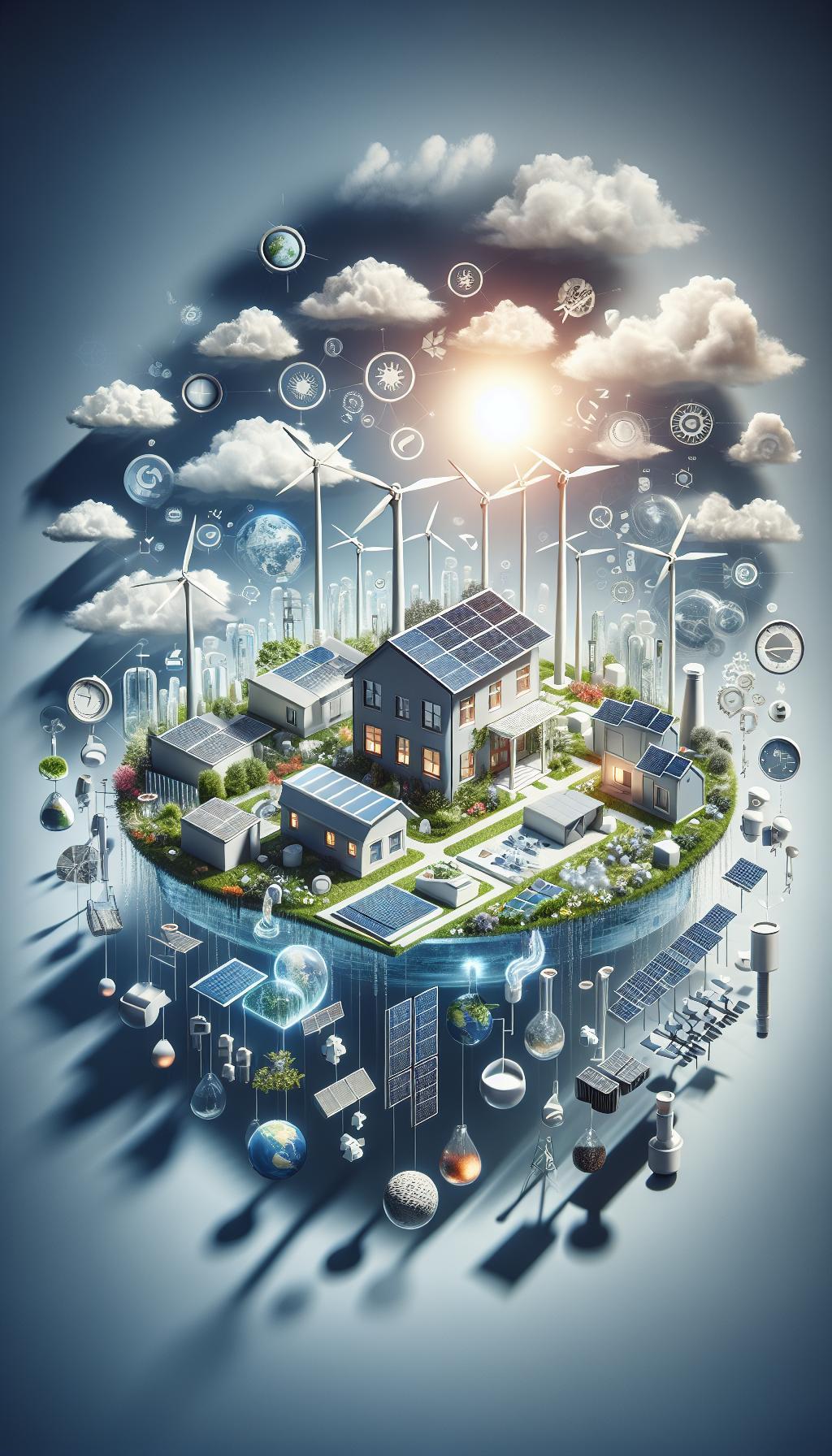
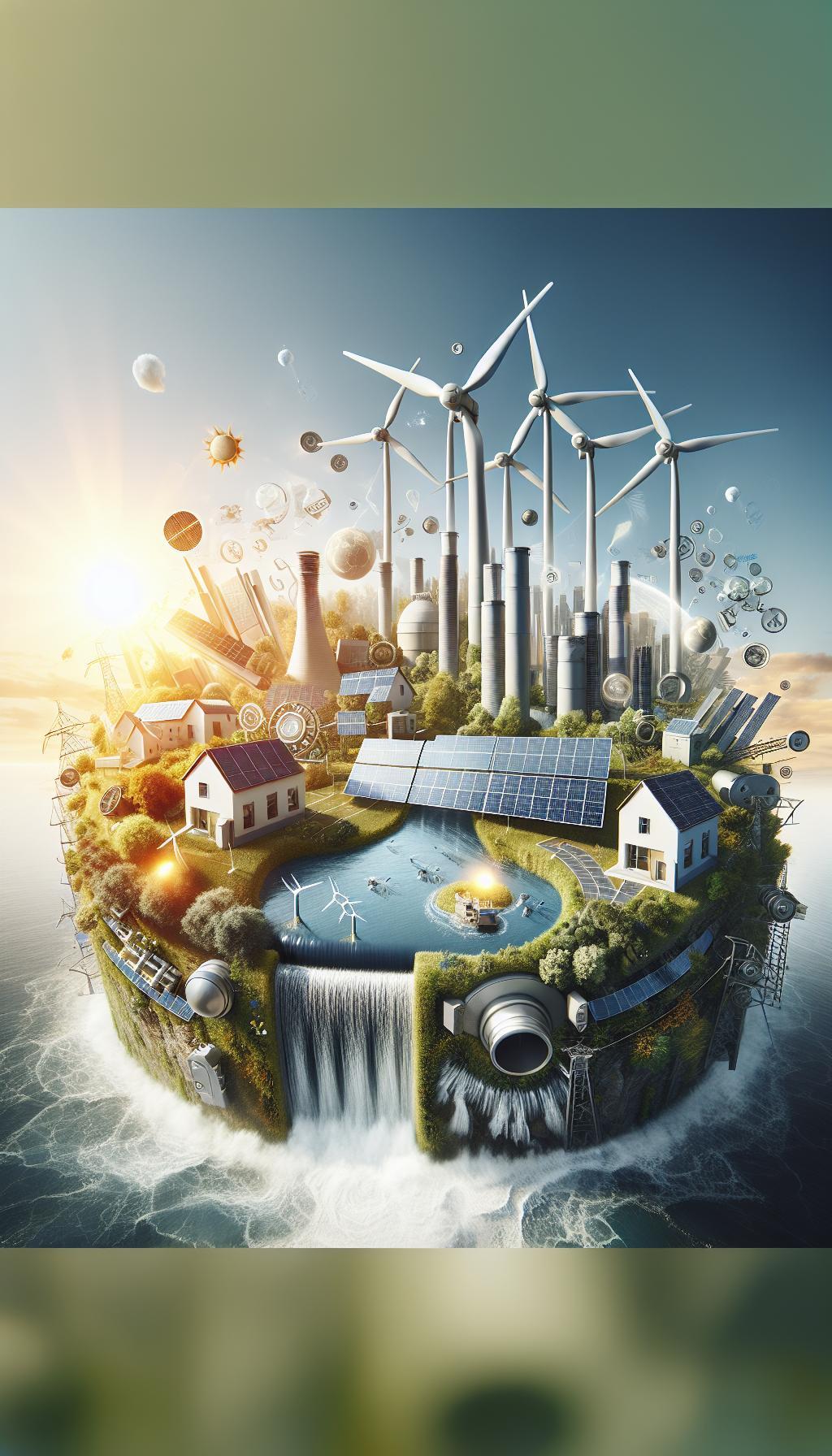
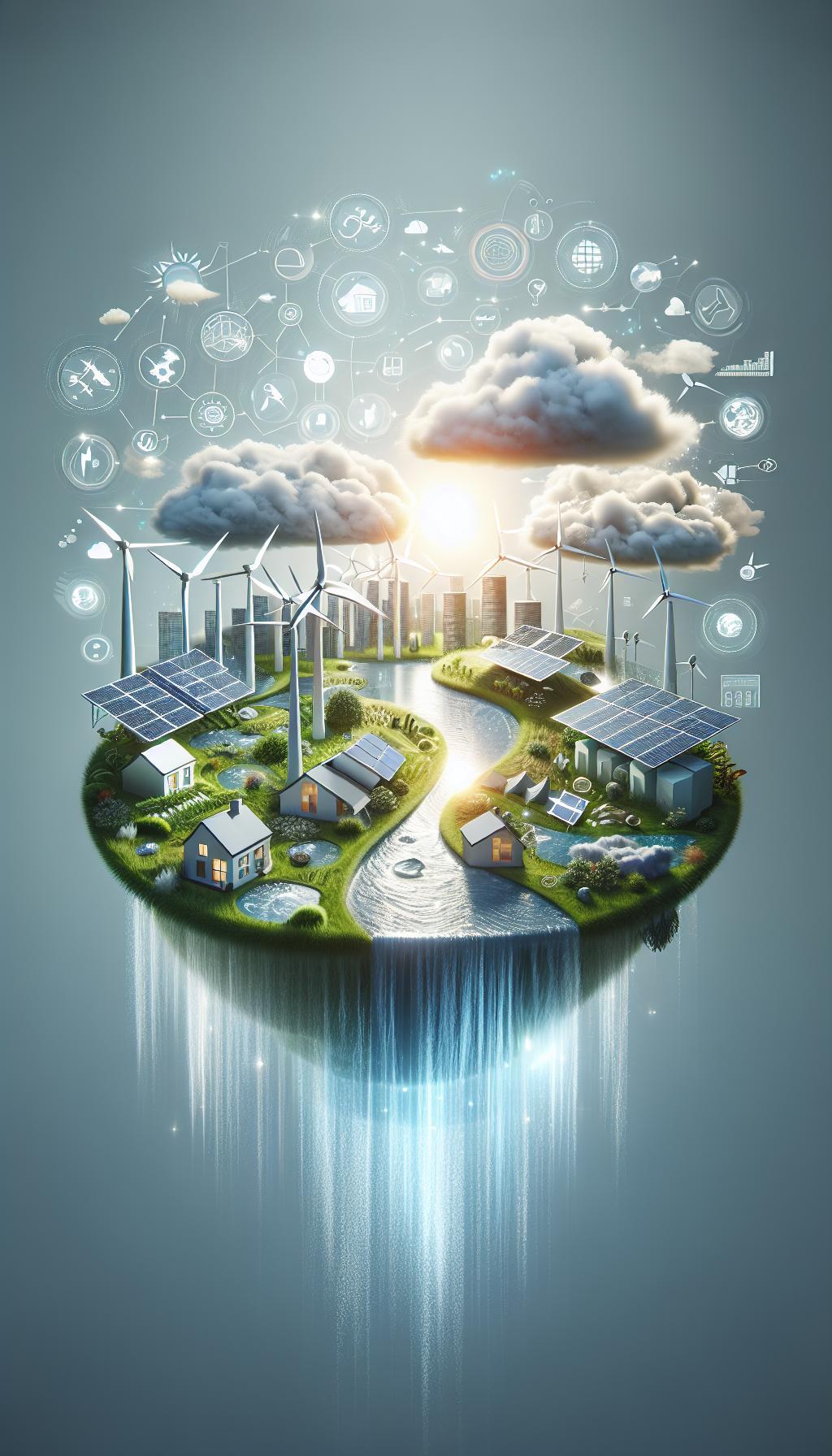
As our world grapples with the pressing challenges of climate change and energy sustainability, understanding the evolution of renewable energy has never been more crucial. Renewable energy, which includes sources like solar, wind, and hydropower, has transformed from a niche interest to a central element of global energy discussions, now projected to account for over 42% of electricity generation by 2028 [[1]].
This timeline of renewable energy’s rise not only illustrates its growing importance but also highlights the pivotal moments that influenced public perception and policy decisions. Whether you’re a homeowner considering solar panels or a stakeholder in energy policy, the history of renewable energy will provide valuable insights into how these technologies emerged and gained traction over the decades. Join us as we explore the key milestones that have shaped the renewable energy landscape, revealing how collective actions today can pave the way for a more sustainable future.
The Early Days of Renewable Energy: A Brief History
The concept of harnessing natural forces for energy dates back thousands of years. Early civilizations utilized resources like wind and water, laying the foundation for what we now recognize as renewable energy. By the early days of agriculture, societies were already reaping the benefits of wind power with the development of sailboats and grain mills. In China as far back as 20 B.C.E., people were employing simple solar energy techniques, demonstrating an early understanding of these sustainable resources for both heating and food production.
As time progressed, humanity increasingly recognized the potential of renewable energy sources. The advent of the Industrial Revolution marked a significant pivot towards fossil fuels, but renewable energy did not fade into obscurity. Instead, it persisted in use and gathered interest during subsequent energy crises, particularly in the 20th century. The oil crises of the 1970s reignited the global discourse on energy sustainability, prompting research and investment into alternative sources like solar and wind.
Throughout history, the evolution of renewable energy has been shaped by cultural, environmental, and technological changes. The gradual transition from the use of primitive mechanisms to modern technologies underscores a continuous quest for sustainable energy solutions. Today, as the world faces the pressing challenges of climate change and resource depletion, this early history serves as an inspiring backdrop for current advancements in renewable energy. Understanding these origins not only sheds light on our past but also empowers individuals and communities to advocate for and invest in a sustainable energy future.
Key Milestones in Renewable Energy Development
From the early harnessing of wind and water to the sophisticated technologies of today, the journey of renewable energy development is marked by several significant milestones that have paved the way for modern energy solutions. In the late 19th century, we saw the first significant use of hydroelectric power in Appleton, Wisconsin, which became a beacon for future hydropower developments across the globe. This innovation laid a foundation that would shape the energy landscape for centuries, demonstrating that renewable sources could effectively replace fossil fuels.
Fast forward to the 1970s, a pivotal decade that directly influenced renewable energy’s trajectory. The oil crises not only highlighted the vulnerabilities of fossil fuel dependency but also sparked widespread interest in alternative energy. This led to the establishment of key organizations like the International Energy Agency (IEA) and various national renewable energy policies that recognized the urgency of developing sustainable energy sources.
As technology evolved, the advent of modern solar cells and wind turbines in the 1980s catalyzed significant advances in efficiency and cost-effectiveness. One of the most notable breakthroughs was the 1976 development of the first commercial solar panel, which made solar energy more accessible to households and businesses alike. This was further complemented by the 1990s boom in wind energy, notably with the establishment of large-scale wind farms in countries like Denmark and Germany, positioning them as leaders in renewable energy production.
Today, we stand at a unique crossroads with renewable energy accounting for an increasing share of global energy consumption. Innovations such as offshore wind farms and next-generation solar panels demonstrate that the momentum for renewables is not just a trend but a substantial shift in how we produce and consume energy. As the world grapples with climate change, understanding these milestones empowers individuals and communities to advocate further for sustainable solutions that will shape a cleaner, greener future.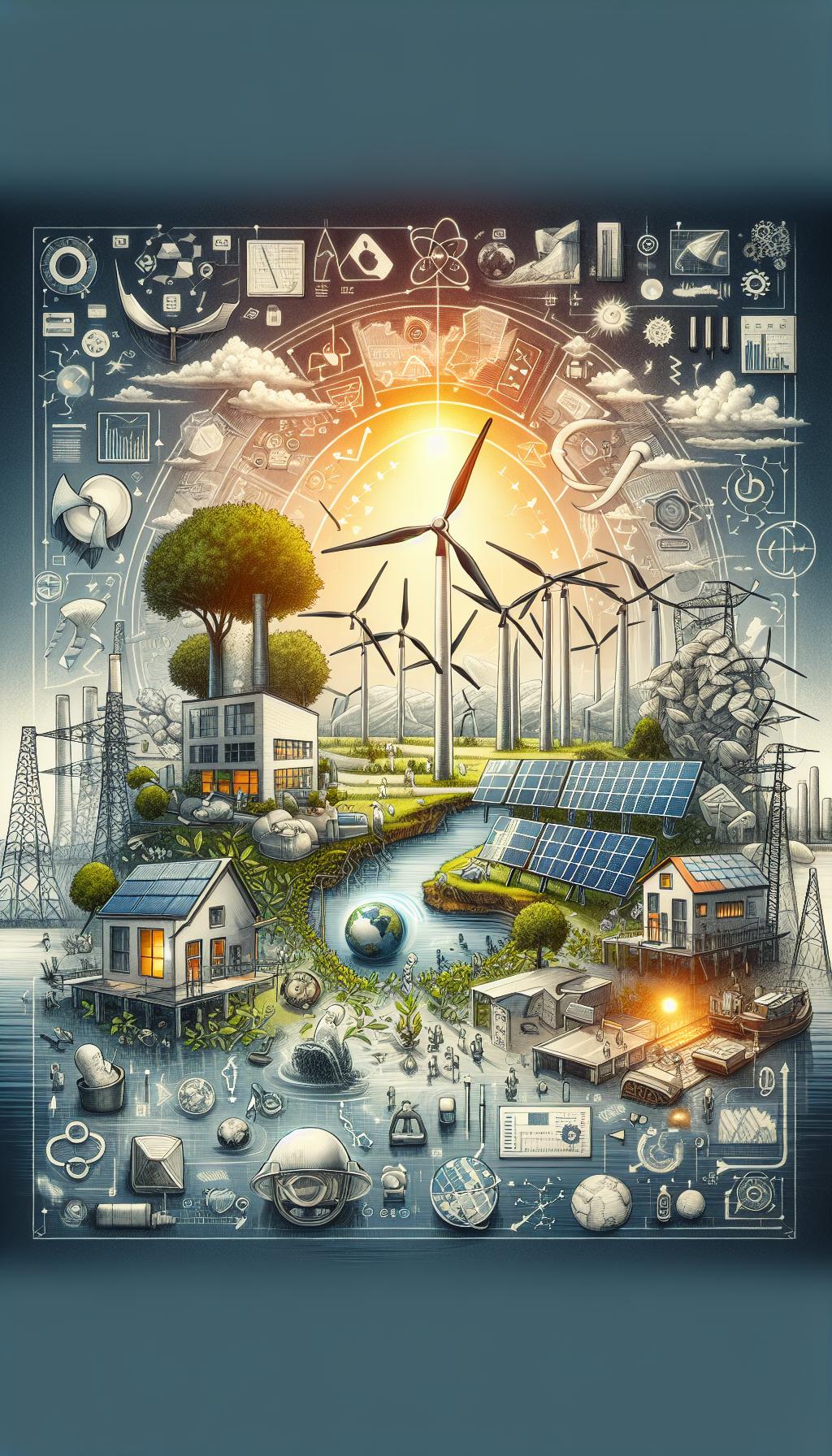
The Role of Government Policies in Popularizing Renewables
Government policies have played a crucial role in accelerating the shift toward renewable energy sources, shaping the landscape of energy consumption around the globe. In the wake of the 1970s oil crises, many countries recognized the vulnerabilities associated with fossil fuel reliance and began to formulate policies aimed at diversifying their energy portfolios. These initiatives often involved not only financial investments but also regulatory frameworks designed to incentivize renewable energy adoption. For instance, the introduction of feed-in tariffs and tax credits provided significant financial encouragement for both companies and individuals to invest in renewable technologies, particularly solar and wind power.
Key Policy Innovations
Countries worldwide have implemented various policies that dramatically impacted the renewables sector:
- Subsidies and Tax Incentives: Many governments offer financial support for renewable energy installations, reducing the overall cost and making them more accessible for consumers and businesses.
- Renewable Energy Standards: Mandates requiring utilities to obtain a certain percentage of their energy from renewable sources have been adopted in several regions, driving up demand for solar and wind energy.
- Research and Development Funding: Significant government investments in R&D have led to technological advancements that enhance efficiency and lower costs in renewable energy technologies.
The European Union’s Renewable Energy Directive is an exemplary model of a comprehensive approach to renewable energy policy, mandating member states to increase their contribution from renewables, thereby promoting collective action towards a more sustainable energy future. Furthermore, nations like Germany have pioneered the “Energiewende” (Energy Transition) plan, which focuses on phasing out nuclear energy while rapidly increasing the share of renewable sources.
Empowering Local Solutions
Local governments also contribute vigorously to this momentum by creating frameworks tailored to specific regional needs. By establishing community solar projects or local wind farms, municipalities facilitate grassroots participation in renewable energy generation. Moreover, policies encouraging homeowners to utilize rooftop solar systems not only empower individuals to contribute to energy production but also enhance local resilience against fluctuations in energy supply and prices.
In the context of global climate change challenges, the role of government policies cannot be understated. As renewable energy continues to evolve, well-defined and forward-thinking policies will be essential for maintaining momentum, catalyzing innovation, and addressing the urgent need for clean energy solutions. For individuals and communities looking to engage with renewable energy, understanding these policies can offer a pathway to not only adopt but also advocate for sustainable practices that benefit both the environment and local economies.
Technological Advancements That Shaped Renewable Energy
From the dawn of human civilization, energy harnessing has evolved remarkably, but it was technological advancements that truly revolutionized renewable energy and propelled it into the mainstream. One of the most pivotal moments occurred in the early 1950s when the first practical solar cell was developed by scientists at Bell Labs. This innovation allowed sunlight to be converted into electricity more efficiently, laying the groundwork for today’s solar power industry. With ongoing developments in photovoltaic technology, such as the recent emergence of bifacial solar panels, which capture sunlight from both sides, the efficiency of solar energy has steadily improved, making it a viable option for many households and businesses.
Wind energy, too, has seen significant technological transformations. Traditional windmills were primarily used for mechanical tasks like grinding grain and pumping water. The evolution to wind turbines designed for electricity generation in the late 20th century transformed wind into a major renewable resource. Modern innovations include larger rotor blades and advanced materials that enhance energy capture and durability. For instance, the average size of wind turbines has more than doubled since the 1990s, allowing them to harness stronger winds at higher altitudes and produce greater amounts of energy at lower costs.
Emerging Technologies and Innovations
As we continue to innovate, other technologies are shaping the future of renewable energy. Energy storage systems, particularly lithium-ion batteries, play a crucial role in balancing supply and demand. These systems store excess energy produced during sunny or windy periods for use during low production times, thus ensuring a stable energy supply. Additionally, the rise of smart grids, equipped with advanced sensors and software, enables better management of energy distribution and use, optimizing the performance of renewable energy sources across the grid.
In terms of hydropower, innovations such as small modular hydropower systems and underwater turbines are making it possible to generate renewable energy in more diverse environments with lower ecological impact. Furthermore, the integration of artificial intelligence (AI) is streamlining operations and maintenance of renewable energy assets, enhancing efficiency throughout the entire energy lifecycle.
The potential for technology to reshape the renewable landscape is immense, as innovations continue to emerge across segments like geothermal and biomass energy. By staying abreast of these advancements, individuals and companies can make informed decisions that contribute to the adoption of cleaner energy. Whether through investing in new technologies or advocating for their implementation, everyone has a role to play in supporting the renewable energy revolution.
Global Events Influencing Renewable Energy Adoption
Throughout the timeline of renewable energy, significant global events have played a crucial role in shaping public perception and driving the adoption of clean energy solutions. One of the most pivotal moments occurred during the 1970s, spurred by the Oil Crisis. The sudden spike in oil prices and widespread energy shortages fueled a collective consciousness regarding energy dependency and sustainability. In response, numerous countries began investing in alternative energy sources such as wind, solar, and hydropower, marking a fundamental shift towards understanding the potential of renewables.
As international concerns over climate change grew in the 21st century, landmark events, such as the Kyoto Protocol in 1997 and the Paris Agreement in 2015, propelled governments and organizations to take action against greenhouse gas emissions. These agreements emphasized the need for an urgent transition to renewable energy to mitigate climate impacts, leading to increased funding and technological advancements in the sector. Countries recognized the importance of renewable energy not just as an alternative, but as a necessity for a sustainable future, leading to substantial investments in research and infrastructure.
Moreover, grassroots movements and global awareness campaigns have also played a significant part in influencing renewable energy adoption. Events like Earth Day have been pivotal in raising public awareness about environmental issues and renewable energy benefits. These social movements empower individuals to advocate for policy changes and encourage their communities to adopt cleaner energy practices, proving that public opinion can drive political action.
Looking ahead, it is essential to consider how ongoing global challenges-such as the impacts of climate change, energy security concerns, and economic uncertainty-will continue to shape the renewable energy landscape. By staying informed about these events, individuals can better understand their role in the global transition to renewable energy and contribute to local and global efforts to combat climate change. Engaging in community initiatives, supporting sustainable policies, and promoting clean technology adoption are all actionable steps that individuals can take to further enhance the adoption and popularity of renewable energy solutions.
The Rise of Solar and Wind Power in Popular Consciousness
The modern journey of solar and wind power into popular consciousness is nothing short of remarkable, rooted deeply in both innovation and necessity. The energy crises of the 1970s created a pivotal shift, thrusting renewable energy into the spotlight as countries grappled with oil shortages and soaring prices. During this period, solar panels transitioned from niche applications to more widespread visibility, particularly with advancements in photovoltaic technology that made harnessing sunlight more efficient and accessible. Concurrently, wind energy began to gain traction, especially in regions prone to high winds, signaling a revolution in the way we think about energy sources.
By the 21st century, the rise of global awareness surrounding climate change solidified solar and wind power’s place in public discourse. Advocacy groups and environmental movements catalyzed discussions around sustainability and the urgent need to transition from fossil fuels. Prominent initiatives, such as the launch of the Solar Decathlon and the proliferation of wind farms in countries like Denmark and Germany, showcased the practicality and effectiveness of these renewable sources. This visibility helped shift public perception, demonstrating that renewable energy can be a crucial part of a country’s energy portfolio, not merely a supplementary option.
Moreover, technological advancements have played an essential role in further demystifying solar and wind energy. Today, innovations such as smart grids, battery storage, and improved turbine design have significantly boosted efficiency, making these sources more reliable than ever. Solar energy systems have become more affordable and user-friendly, with initiatives such as community solar programs allowing individuals to invest in solar energy without the need for personal rooftop installations. Such developments have made it easier for individuals, businesses, and communities to adopt clean energy technologies, driving a sense of shared responsibility towards sustainability.
The increasing popularity of solar and wind power is not just a trend; it’s a movement spurred by a collective acknowledgment of the need for cleaner and more sustainable energy sources. With continuous advocacy and innovation, the perception of these renewable energies as viable alternatives continues to grow, empowering more people to make informed decisions regarding their energy consumption. As public interest thrives, so too does the possibility of a future where solar and wind power dominate our energy landscape, fostering a more sustainable world for generations to come.
Public Perception and Social Movements Supporting Renewables
As public awareness of climate change has surged, so too has interest in renewable energy; this growing excitement reflects a blend of heightened environmental consciousness and grassroots activism. Social movements advocating for sustainability and clean energy have been catalysts for significant shifts in public perception over the last few decades. One key example is the influence of the 2015 Paris Agreement, which united countries around a common goal of reducing greenhouse gas emissions. This global commitment spurred numerous local initiatives, empowering citizens to demand more sustainable energy policies from their governments.
Advocacy groups have played an instrumental role in this transformation, harnessing social media platforms to amplify their messages and engage a wider audience. Campaigns like 350.org and the Sunrise Movement have successfully mobilized young people worldwide, encouraging them to participate in protests, educational programs, and policy discussions regarding renewable energy. These movements not only promote awareness of environmental issues but also encourage individuals to take actionable steps, such as adopting renewable technologies in their homes or supporting legislation that favors clean energy resources.
The effectiveness of social movements in changing public perception can be seen in the significant increase in support for renewable energy projects. Surveys indicate that a majority of the population now views solar and wind power favorably, recognizing them as essential components of a sustainable energy future. This shift is not only observed in urban areas; rural communities are increasingly embracing wind turbines and solar farms, often seeing them as opportunities for economic development and job creation.
Investing in educational initiatives is another common strategy among social movements. Workshops and community meetings educate the public on the benefits of renewable energy, discussing everything from reducing energy bills to enhancing energy independence. This grassroots educational effort fosters a sense of ownership and participation among community members, making renewable energy a shared goal rather than an abstract concept.
Ultimately, the synergy between public perception and social movements significantly shapes the renewable energy landscape. As awareness and advocacy continue to grow, individuals are empowered to contribute to a cleaner and greener future, demonstrating that grassroots action not only makes an impact but also cultivates the societal shift necessary for widespread acceptance and incorporation of renewable energy solutions.
Economic Factors Driving the Renewable Energy Trend
The transition to renewable energy has been significantly influenced by a variety of economic factors, making it a compelling choice not only for governments but also for businesses and individuals. As technology progresses and the associated costs decline, renewable energy sources have become increasingly accessible. For instance, the cost of solar photovoltaic (PV) systems has dropped dramatically over the past decade-by nearly 80% since 2009-reflecting advancements in manufacturing processes and economies of scale. This trend not only makes solar power more affordable but also encourages widespread adoption among households and businesses seeking to reduce energy costs and enhance sustainability.
In addition to cost reductions in technology, there are compelling financial incentives driving the renewable energy trend. Many governments around the world are implementing policies such as tax credits, grants, and rebates designed to encourage investment in renewable energy technologies. These incentives lower the upfront costs for consumers and businesses, hastening the transition to clean energy. For example, policies like the U.S. Investment Tax Credit (ITC) have effectively boosted the solar market, empowering homeowners to invest in solar installations and helping businesses achieve significant energy savings.
Moreover, the volatile nature of fossil fuel prices plays a crucial role in the economic landscape of energy generation. As traditional energy prices fluctuate due to geopolitical issues or market demands, renewable energy-often characterized by fixed costs-becomes an attractive option. This stability allows consumers and businesses to better predict their energy expenses, adding another layer of appeal to renewables in an increasingly unpredictable market.
The shift towards renewable energy is not just an environmental imperative but also an economic opportunity. Every dollar invested in renewable energy can yield significant returns, including job creation in manufacturing, installation, and maintenance sectors. Communities that embrace renewables can stimulate local economies by fostering new industries and generating economic activity. As employment in the renewable energy sector continues to grow, so does public support for initiatives aimed at expanding renewable energy infrastructure.
Ultimately, the highlight the transition’s dual benefits – cost efficiency and sustainable growth. Embracing these opportunities is essential as we collectively work towards a cleaner, greener future while simultaneously achieving economic prosperity.
Key Players and Innovators in Renewable Energy History
The evolution of renewable energy has been profoundly shaped by visionary leaders and innovative companies that recognized the potential of harnessing clean energy sources long before it became fashionable. These key players have pioneered technologies, developed significant projects, and advocated for policies that have collectively transformed renewables from niche alternatives to mainstream energy sources. Their efforts reflect a profound commitment to sustainability and technological advancement, creating a more resilient energy future.
One notable individual in this narrative is Thomas Edison, who, while primarily known for his work with electricity and the light bulb, also engaged with renewable energy, particularly wind power, in the early 20th century. His vision of utilizing natural resources to generate electricity laid the groundwork for future generations of innovators. Then there is Dr. Hermann Scheer, a German politician and advocate for renewable energy, best known for his efforts in promoting solar power and for initiating policies that led to Germany becoming a global leader in solar energy. His influence was pivotal during the 1990s when Germany’s feed-in tariff policy incentivized the adoption of solar energy on a large scale.
Moreover, companies like First Solar and Vestas have played critical roles in developing and commercializing solar and wind technologies, respectively. First Solar’s advancements in photovoltaic technology have made solar energy more affordable and efficient, while Vestas has revolutionized wind turbine technology, driving down costs and increasing energy output. The influence of these companies is visible in the rapid adoption of their technologies globally, fundamentally changing how energy is produced and consumed.
At a governmental level, international organizations and coalitions, such as the United Nations and the International Renewable Energy Agency (IRENA), have fostered collaboration and knowledge sharing that encourages countries to adopt renewable energy solutions. Key milestones, such as the adoption of the Paris Agreement, have galvanized efforts worldwide to transition away from fossil fuels, making support for innovators and key players essential to this global cause.
In conclusion, although numerous individuals, companies, and organizations have contributed to the expanding landscape of renewable energy, their collective impact signifies a broader movement towards sustainability. Understanding the history and contributions of these key players not only highlights the advancements made but also serves as an inspiration for future innovators and advocates in the renewable energy sector. By honoring their legacy and learning from their experiences, we can continue to advance toward a cleaner, more sustainable energy future for all.
Challenges and Setbacks in Renewable Energy Growth
The journey of renewable energy has not been without its share of challenges and setbacks. Despite a growing consensus on its necessity for combating climate change and achieving sustainability, the path to widespread adoption has been fraught with technical, economic, and social hurdles. For instance, the intermittent nature of solar and wind energy creates reliability concerns for grid managers, leading to a dependency on backup power sources, typically from fossil fuels. This has raised questions around the true effectiveness of renewables in reducing overall carbon emissions.
Moreover, the adoption of renewable energy technologies hinges significantly on their initial investment costs. While the price of solar panels and wind turbines has decreased dramatically over the past decade, the upfront capital required for installation can still be a barrier for many, particularly in developing regions. The variability in government policies across countries can create a patchwork of incentives and subsidies, further complicating investments in renewable projects. For instance, fluctuating support for renewable energy in some countries has caused businesses and investors to hesitate, fearing unstable markets without long-term commitments to support.
The Role of Policy and Regulation
Government policies play a crucial role in shaping the renewable energy landscape. In several instances, lack of coherent energy policies has stifled growth. For example, many nations have experienced setbacks due to sudden regulatory changes that dismantled prior supports, leading to a swift decline in new projects. The uncertainty can deter private investment, which is essential for scaling up renewable technologies. As highlighted in recent studies, greater stability and predictability in policy are essential to encourage both domestic and international investments in renewables [[2]](https://sustainablereview.com/challenges-in-renewable-energy/).
Cultural and Social Resistance
Social acceptance also remains a challenge. Communities may resist large-scale renewable energy projects, such as wind farms and solar installations, over concerns about aesthetic impacts or environmental disruptions. For instance, local opposition can lead to delays in project implementation, increasing costs and reducing the stability of renewable energy portfolios. This dynamic highlights the importance of engaging communities early in the planning process to build trust and encourage local investment in renewable initiatives.
Navigating these challenges requires a multifaceted approach that balances technological advancements, economic incentives, and community engagement. By addressing these barriers head-on, the renewable energy sector can pave the way for a more sustainable future, unlocking its full potential to mitigate climate change and drive innovation.
Future Trends: Where Is Renewable Energy Headed?
As the world grapples with climate change and the urgent need for sustainable energy solutions, renewable energy is poised for unprecedented growth and transformation. Recent advancements in technology and shifting public sentiment have created a fertile ground for innovations that will define the future of energy. For instance, renewable energy sources such as solar and wind are now not only more efficient but also significantly cheaper to produce, making them competitive with, and often preferable to, fossil fuels. This shift is evidenced by the remarkable growth rates in the renewable sector, with solar power installations increasing exponentially over the past decade.
One of the most promising trends is the increasing integration of renewable energy into the global grid, enabling a more decentralized approach to energy distribution. Smart grid technologies are facilitating real-time energy management, allowing for better demand-response capabilities and improved energy storage solutions. This has significant implications for energy resilience and reliability, making it feasible to rely more on renewable sources even during peak demand periods. Today, innovations such as battery storage technologies, including lithium-ion and flow batteries, are at the forefront of this movement, enabling the storage of excess energy generated during sunny or windy days for use during less favorable conditions.
Decentralization and Energy Independence
The move towards decentralization is not only about technology; it also reflects a growing desire for energy independence among consumers and communities. Distributed energy resources, including rooftop solar panels and community wind farms, empower individuals and neighborhoods to generate their own power, enhancing resilience against future energy crises and price volatility. This trend is fostering a new economic landscape where energy consumers can also become producers, often referred to as “prosumers.” Such a shift encourages local economies and increases public engagement in energy decisions, leading to a more sustainable and democratically governed energy system.
Policy Support and Global Cooperation
Government policies will continue to play an instrumental role in shaping renewable energy’s trajectory. Countries are increasingly committing to ambitious climate targets, propelling the transition to renewable energy. International agreements like the Paris Agreement have spurred nations to invest in and develop clean energy solutions, pushing for innovative public-private partnerships that facilitate investment in renewable infrastructure. Additionally, financial incentives such as tax credits, grants, and subsidies are crucial in supporting both large-scale renewable projects and individual adoption of renewable technologies.
As we look to the future, engagement with communities and education around renewables will be pivotal. Local movements advocating for sustainable practices are gaining momentum, demonstrating that public perception can significantly influence policy and investment. Education programs that increase awareness about the benefits of renewable energy may inspire collective action and foster a culture of sustainability, ensuring that the growth of renewable energy is not only inevitable but also embraced by society as a whole.
By staying informed about the advancements in technology, the implications of policy changes, and the emerging cultural attitudes toward renewable energy, individuals can be empowered to contribute to this shift. Whether through advocating for local policies or investing in personal renewable projects, every action can pave the way for a sustainable future where clean energy prevails.
How Individuals Can Contribute to Renewable Energy Popularity
Embracing renewable energy is not just a task for policymakers and industry leaders; individuals have a crucial role to play in popularizing these sustainable sources. Every action taken at the grassroots level adds fuel to the growing movement towards a greener planet. For instance, installing solar panels on rooftops not only reduces electricity bills but also showcases a commitment to sustainability, serving as an inspiration for neighbors and communities. Homeowners and renters alike can advocate for renewable energy systems and support businesses that prioritize eco-friendly practices, creating a ripple effect that reaches beyond their immediate environment.
Engaging in community initiatives can amplify individual efforts. Joining local groups that promote the use of renewables, participating in energy fairs, or volunteering for environmental organizations allows individuals to educate themselves and others on the benefits of renewable energy. Through these platforms, members can share knowledge and resources, offering workshops on how to start personal sustainability projects or transition to renewable sources in their own homes. The collective power of grassroots movements plays a vital role in changing public perception and encouraging wider adoption.
Policy advocacy is another effective way to contribute. Individuals can champion local policies that promote renewable energy development, such as incentives for solar installations or stronger regulations on fossil fuels. Writing to representatives, attending town hall meetings, or participating in public forums can help amplify community voices and influence government decisions. As seen with initiatives like the Paris Agreement, public pressure encourages legislators to act, making both local and national commitments toward renewable energy more feasible.
Moreover, education plays a pivotal role in the transition to renewable energy. By simply spreading the word about the environmental, economic, and social benefits of renewables, each person can foster a culture of sustainability. Sharing articles, discussing the impact of climate change, and challenging the narrative around energy consumption on social media can engage peers and spur collective action. The urgency of the climate crisis makes every informed conversation crucial, promoting a public understanding that acknowledges both the problems and the solutions offered by renewable energy sources.
Overall, the path to a sustainable future is paved with proactive choices made by individuals in their everyday lives. Each small step, from lifestyle changes to community engagement, builds momentum, making the widespread adoption of renewable energy not just a possibility but a shared reality.
Frequently asked questions
Q: When did renewable energy become popular?
A: Renewable energy began gaining popularity in the 1970s during the global oil crisis, which heightened interest in alternatives like solar and wind energy. This period marked a significant shift as countries sought to reduce dependence on fossil fuels and promote sustainable energy sources [1[1].
Q: What events led to the rise of renewable energy in the 20th century?
A: The energy crises of the 1970s acted as a catalyst for renewable energy growth. Increased oil prices and supply disruptions prompted governments and industries to invest in renewable sources like wind and solar to ensure energy security and sustainability [2[2].
Q: How has the technology for renewable energy evolved over time?
A: Renewable energy technology has evolved significantly since the early experiments with solar and wind power. In the mid-20th century, practical solar cells were developed, and advances in engineering improved wind turbines, making them more efficient and accessible for energy production [3[3].
Q: When did solar energy first become commercially viable?
A: Solar energy became commercially viable in the 1950s with the development of the first practical solar cell at Bell Labs. This innovation set the stage for widespread interest and investment in solar technology, especially during the energy crises of the 1970s [3[3].
Q: Why is there renewed interest in renewable energy today?
A: Renewed interest in renewable energy today is driven by climate change concerns, technological advancements, and decreasing costs of renewable technologies. This push aligns with global efforts to transition to sustainable energy sources and reduce greenhouse gas emissions, making the future of energy greener [1[1].
Q: What renewable energy sources became popular after the 1970s?
A: After the 1970s, wind and solar energy gained significant traction, often supported by governmental incentives. Geothermal and hydroelectric power also saw increased investment and implementation, diversifying the renewable energy landscape [2[2].
Q: How can individuals support the growth of renewable energy?
A: Individuals can support renewable energy by opting for green energy programs through their utility providers, investing in solar panels for their homes, and advocating for policies that promote clean energy initiatives at local, national, and global levels [1[1].
Q: What role do governments play in promoting renewable energy?
A: Governments play a crucial role in promoting renewable energy by creating supportive policies, offering financial incentives, and funding research and development. These efforts help accelerate the shift towards cleaner energy sources and decrease the reliance on fossil fuels [2[2].
The Conclusion
As we’ve explored the pivotal moments in the rise of renewable energy, it’s clear that understanding this timeline not only informs us but also inspires action towards a sustainable future. The journey from early innovations to modern advancements highlights the critical role we all play in shaping how energy is utilized today. If you’re eager to dive deeper into how renewable technologies impact our lives, check out our resources on solar energy benefits and energy efficiency tips.
Take the next step by subscribing to our newsletter for the latest insights in renewable energy developments, or explore our service offerings if you’re considering transitioning to a greener energy solution. Don’t miss out on the opportunity to stay informed and engaged – every action counts in the fight against climate change. Share your thoughts in the comments, and let’s keep the conversation about a sustainable future going!