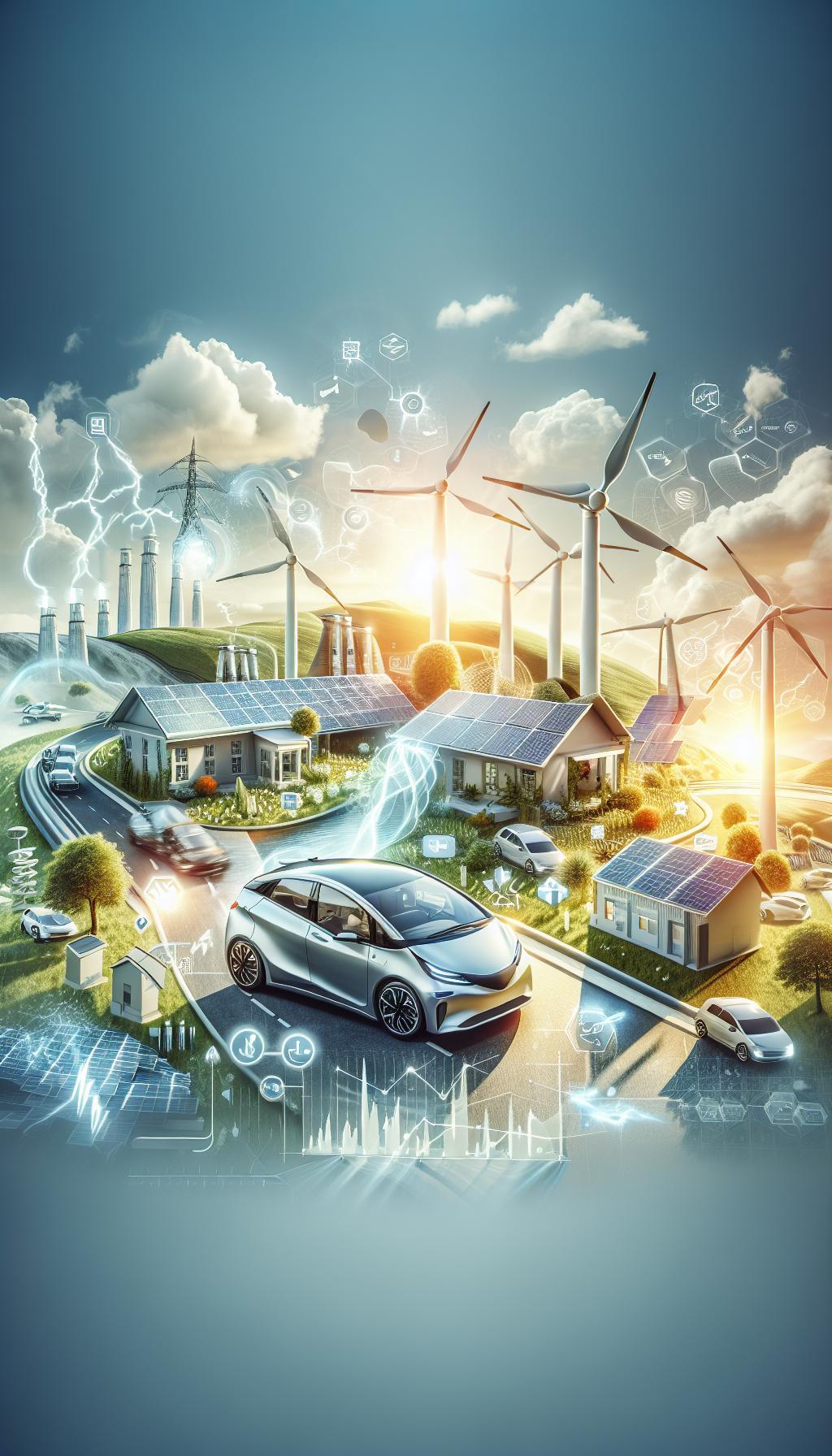
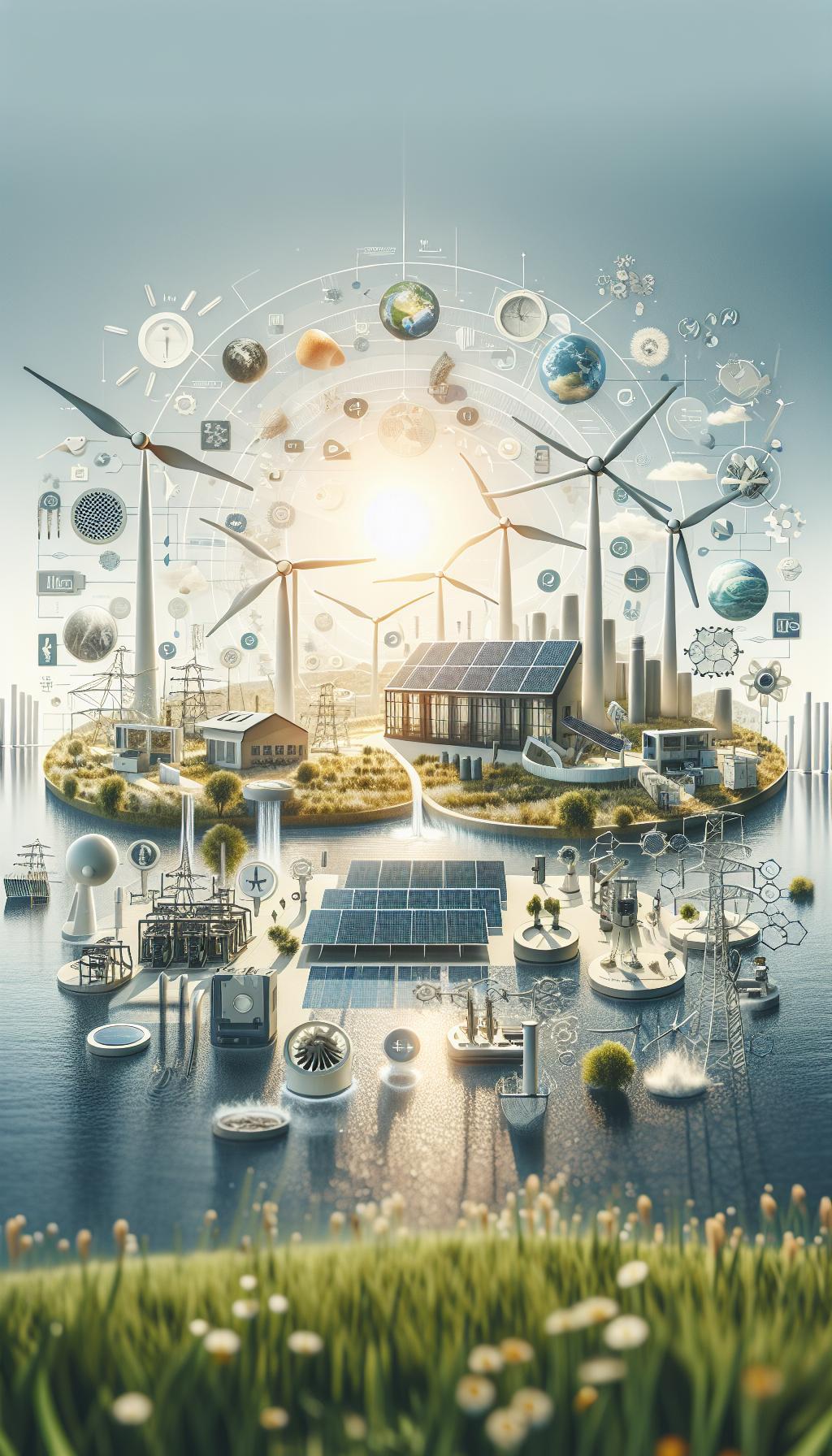
Did you know that understanding wind direction can significantly impact everything from weather forecasting to climate studies? Wind plays a crucial role in shaping our daily weather and connects various meteorological phenomena. Knowing where the wind blows can help you anticipate storm patterns, plan outdoor activities, or even optimize energy use in renewable systems.
In this article, you’ll discover the fundamental concepts of wind direction within meteorology. By breaking down the science behind wind patterns, we aim to equip you with knowledge that is applicable whether you’re a casual observer or looking to deepen your understanding of weather dynamics. Join us as we explore how wind influences our environment and the importance of this vital atmospheric element in both daily life and long-term climate considerations.
Understanding Wind Direction: Basics of Meteorology
Understanding wind direction is fundamental for anyone looking to grasp the intricacies of meteorology, as it influences everything from weather patterns to navigation and even ecological systems. Wind is essentially air in motion, and it primarily blows from areas of high pressure to low pressure. This movement is driven by the uneven heating of the Earth’s surface due to the sun, creating temperature gradients that lead to pressure differences. As warm air rises, cooler air rushes in to fill the void, resulting in the winds that we experience daily.
Several factors contribute to how and in what direction the wind flows. For one, obstacles like mountains and buildings can alter wind patterns, causing them to whirl or shift unexpectedly. Urban areas tend to create “heat islands” that can intensify local wind effects, while natural landscapes like forests and valleys can channel winds in predictable ways. Additionally, seasonal changes can influence wind behavior; for example, monsoon winds bring significant weather changes at certain times of the year, affecting agriculture and water resources.
For those seeking to harness wind energy or improve their understanding of local weather conditions, knowing the prevailing wind directions can be invaluable. Homeowners can plant trees or position solar panels to optimize energy capture while minimizing wind resistance. In professional settings, such as aviation or maritime navigation, accurate readings of wind direction can lead to safer, more efficient operations. By considering these various factors and their implications, individuals can better prepare for the natural influences of wind, improving both everyday activities and long-term sustainability efforts.
Factors Influencing Wind Direction
Understanding the complexities of wind direction involves recognizing various influencing factors that shape its path. At the heart of this phenomenon is the uneven heating of the Earth’s surface, which leads to pressure variations. However, several critical elements further modify how wind behaves, making it essential for anyone engaging with meteorological science to understand these influences.
Geographic features-such as mountains, valleys, and bodies of water-play a significant role in wind dynamics. For instance, mountains can create barriers that cause winds to shift direction or increase in speed as air flows over their peaks. Conversely, valleys can channel winds, leading to concentrated gusts in those areas. In urban settings, the presence of buildings creates “urban canyons,” where wind is funneled through narrow spaces, impacting local wind patterns significantly.
Local climatic phenomena also affect wind direction. For example, during the summer months, certain areas may experience land-sea breezes, where cooler air from the ocean moves towards the land, particularly in coastal regions. In contrast, winter conditions might see katabatic winds, where cold air flows down from elevated regions. Additionally, events like monsoons bring drastic seasonal changes, massively influencing wind direction and intensity, ultimately impacting weather conditions and even agricultural practices.
Moreover, the Coriolis effect-resulting from the Earth’s rotation-alters wind paths, particularly over large distances. This phenomenon causes winds in the Northern Hemisphere to deflect to the right and to the left in the Southern Hemisphere. Understanding these nuances helps clarify why local and global wind systems differ, offering insights into everything from weather predictions to renewable energy strategies. For instance, knowing prevalent wind directions can guide homeowners in effectively positioning wind turbines or designing gardens to harness beneficial breezes while minimizing wind resistance. Whether you’re a gardener, sailor, or an environmental enthusiast, grasping these factors will enhance your relationship with the natural world and improve decision-making in various activities.
How Wind is Measured: Instruments and Techniques
To accurately determine wind direction and speed, meteorologists rely on a variety of sophisticated instruments and measurement techniques that translate the invisible into the observable. One of the primary tools used for this purpose is the anemometer, which typically consists of rotating cups that spin faster with stronger winds. This mechanical action helps measure wind speed, providing crucial data for weather forecasting and modeling. Additionally, these devices are often paired with wind vanes, which indicate the wind’s direction by aligning themselves with the airflow.
Technology Behind Wind Measurement
Advancements in technology have led to the development of more refined instruments, such as sonic anemometers and laser-based systems. Sonic anemometers utilize sound waves to determine wind speed and direction, offering high degrees of accuracy without moving parts. These devices are particularly beneficial in research environments, such as meteorological stations and climate studies. Furthermore, weather balloons equipped with sensors ascend through the atmosphere, measuring wind speeds and directions at various altitudes, thereby providing a three-dimensional perspective on wind patterns.
Another essential instrument is radar, which is employed in Doppler radar systems to capture real-time data on wind direction and speed in storm systems. This technology works by sending out pulses of microwave energy and measuring the frequency shifts of the echoes returned by precipitation particles moving with the wind, thus offering insights into both local and large-scale weather phenomena.
Practical Considerations for Measurement
For those interested in measuring wind at a local level, it’s worthwhile to consider installing basic equipment like a portable anemometer in your backyard or at a local beach. Many modern versions can connect to smartphones or tablets, allowing users to examine and record wind data easily. Understanding the direction and speed of wind in your area can have significant practical implications, from guiding gardening choices to optimizing the placement of wind turbines for renewable energy.
In conclusion, the diverse array of instruments and measurement techniques available not only enhances our understanding of wind dynamics but also empowers individuals to engage meaningfully with their environments. By harnessing this technology, anyone from meteorologists to hobbyists can make informed decisions based on wind patterns and conditions. Whether for personal interest or professional application, mastering these tools is critical in a world increasingly influenced by changing climates and their associated wind behaviors.
The Coriolis Effect: An Essential Meteorological Concept
The Coriolis Effect is a fundamental principle in meteorology that explains why wind patterns don’t simply flow in a straight line. Instead, they curve due to the Earth’s rotation, creating a crucial dynamic in global weather phenomena. When air moves from high-pressure areas toward low-pressure areas, it would ideally travel in a straight path. However, as our planet spins, the motion of the wind is influenced, causing it to veer to the right in the northern hemisphere and to the left in the southern hemisphere. This pivotal effect helps us understand not only localized wind patterns but also larger systems such as trade winds, jet streams, and cyclones.
Understanding the Coriolis Effect can provide practical insights for various applications. For instance, when planning travel routes or sailing adventures, knowing how winds will behave can greatly affect travel time and fuel consumption. Additionally, the Coriolis Effect plays a significant role in predicting severe weather systems. Meteorologists use this knowledge to forecast the behavior of storms, ensuring timely warnings and preparations for communities at risk.
The implications of the Coriolis Effect stretch beyond immediate weather patterns. With climate change raising concerns about shifts in wind direction and intensity, there’s a growing need for comprehensive understanding of how these changes may impact local climates across different regions. Reassessing urban planning, agriculture, and renewable energy strategies with the Coriolis Effect in mind can lead to more resilient and adaptive practices.
In summary, this essential concept underscores the intricate balance of forces at play in our atmosphere. By grasping how Earth’s rotation alters wind movements, we not only enhance our ability to forecast weather but also equip ourselves with the knowledge necessary to adapt to a changing climate. Keeping informed about these patterns can empower everyone, from casual weather watchers to professional meteorologists, driving informed decisions that impact our lives and our planet.
Different Wind Patterns Around the World
Understanding wind patterns across the globe reveals how diverse and dynamic our atmosphere truly is. For instance, the trade winds, which blow from east to west in the tropics, have been navigators’ allies for centuries, assisting in the speed of sailing ships across oceans. This consistent wind pattern not only aids in exploration but also helps regulate global climate systems.
Primary Wind Patterns
Among the noteworthy wind patterns are the westerlies and polar easterlies. The westerlies, which dominate mid-latitudes, move from the west towards the east, influencing weather systems and ocean currents. This is why storms in the Northern Hemisphere often move from west to east. Conversely, the polar easterlies, found near the poles, consistently blow from east to west, creating unique climatic conditions that affect surrounding regions.
Another significant pattern is the monsoon winds, primarily observed in South Asia. These seasonal winds shift directions, bringing heavy rains during certain months and dry conditions in others. The impact of monsoons on agriculture and water supply in these regions cannot be overstated, as they determine the livelihood of millions.
Local Variations
Regional geography plays a vital role in modifying these global wind patterns. For example, coastal areas experience sea breezes that arise during the day as land heats up faster than water, causing cooler air from the sea to rush in. In contrast, at night, the land cools more rapidly, leading to a land breeze. These local wind systems can influence weather conditions, air quality, and even help reduce heating costs in homes near the shore.
Considering these varied wind patterns allows us to appreciate their roles in agriculture, renewable energy, and climate prediction. For those interested in harnessing wind energy, understanding dominant wind directions in the area is crucial for optimizing turbine placement. In summary, the winds not only shape weather and climate systems but also guide economic and ecological practices worldwide.
Local vs. Global Wind Systems: Key Differences
Wind is not merely a byproduct of atmospheric movement; it’s a complex dance of forces and conditions that vary dramatically between local and global scales. Understanding the distinctions between these systems can greatly enhance our grasp of meteorology and its practical applications. Local wind systems, such as sea breezes, mountain breezes, and valley winds, are heavily influenced by geography and time of day. For example, a sea breeze forms during daytime as land heats up faster than water, creating pressure differences that draw cooler air from the ocean toward the shore. Conversely, at night, the land cools more quickly, leading to a land breeze that reverses this pattern. These localized winds can drastically affect weather conditions, air quality, and even the microclimates of urban areas.
In contrast, global wind patterns, such as the trade winds, westerlies, and polar easterlies, operate on a much larger scale, driven primarily by the Earth’s rotation and solar energy distribution. These winds circulate around the globe, creating predictable patterns that influence weather systems and ocean currents. For example, the westerlies, which flow from west to east in the mid-latitudes, are a fundamental driver of storm paths across many regions, causing systems to follow similar trajectories and impact weather forecasts. The interplay of these global patterns establishes the overarching climate norms to which local systems must adapt.
The key differences extend beyond mere scale; they also manifest in behavior and predictability. Local winds are often erratic and can change from hour to hour based on immediate ecological factors, while global patterns typically exhibit stable seasonal trends. Understanding these differences is vital for various practical applications, such as farming and renewable energy. For instance, farmers can optimize planting cycles and harvest times by knowing local wind patterns, while wind energy developers can site turbines effectively based on prevailing global winds. By comprehensively appreciating both local and global wind systems, individuals and professionals alike can better navigate the complexities of our climate and utilize this knowledge to inform decisions in their daily lives and industries.
The Role of High and Low Pressure Systems
Understanding the impact of high and low pressure systems is essential for anyone trying to decode the mysteries of wind patterns and their significance in meteorology. High pressure systems, often associated with clear skies and stable weather, occur when air sinks and creates an area of higher atmospheric pressure. Conversely, low pressure systems form when air rises, leading to cloudiness and precipitation. This dynamic causes air to move from high-pressure areas to low-pressure areas, generating wind. In essence, the greater the difference in pressure between these two systems, the stronger the wind will blow.
High Pressure Systems
In a high pressure system, the stability of the air mass means that there is generally less wind and favorable conditions for outdoor activities. These systems can influence weather significantly. For example, when a high pressure system moves over a region, it typically brings about pleasant weather, making it an advantageous time for farmers to plan their planting and harvesting operations. Understanding these patterns allows farmers to align their activities with favorable climatological conditions, potentially increasing productivity and yields.
Low Pressure Systems
On the other hand, low pressure systems are often the harbingers of inclement weather. When these systems dominate, they can cause disturbances that lead to thunderstorms, rain, and increased wind speeds. Recognizing the onset of a low pressure system can be critical for those planning activities, from outdoor events to maritime operations. For instance, sailors and fishermen often need to adjust their plans or take precautions as low pressure approaches, as it can lead to hazardous conditions at sea.
The interplay between high and low pressure systems not only dictates short-term weather changes but also influences long-term climate patterns. Wind direction, determined by these systems, can affect air quality, temperature regulation, and even the spread of pollutants. By educating themselves on these systems, individuals can make informed decisions on everything from energy consumption in homes to personal planning for outdoor activities. Understanding the mechanics of these atmospheric phenomena empowers everyone, from everyday weather watchers to professionals in fields impacted by weather variability, to better prepare for and respond to changing conditions.
Impact of Terrain and Geography on Wind
The influence of terrain and geography on wind is both profound and multifaceted, shaping weather patterns and local climates in remarkable ways. Mountains, valleys, bodies of water, and urban landscapes can all alter the natural flow of air, leading to localized variations in wind strength and direction. For instance, winds ascending mountain slopes-known as orographic lift-can create rainy conditions on the windward side while leaving the leeward side dry, often resulting in desert-like climates in regions as close as a few miles apart.
Geographical Features and Wind Flow
Different geographical features exert distinct influences on wind patterns. Here are some noteworthy examples:
- Mountains: In addition to orographic effects, mountain ranges can block or channel prevailing winds, creating turbulence and disruptive gusts on either side.
- Water Bodies: Large lakes and oceans moderate temperatures and can influence local wind patterns significantly. Sea breezes, for example, occur when cooler ocean air moves inland during the day, replacing the warmed air over the land.
- Urban Areas: Cities can create “urban heat islands,” where built environments raise local temperatures and alter wind patterns, sometimes resulting in persistent downwind air quality issues.
Understanding how these geographical factors interact with wind can provide important insights for various applications, from agriculture to urban planning. For example, farmers might consider the prevailing wind patterns established by nearby hills or water bodies when determining the positioning of crops and barns, optimizing their layout for maximum moisture retention and minimizing erosion.
Predicting Local Wind Patterns
For those engaged in outdoor activities or planning events, being attuned to local geographic influences is essential. Wind patterns can shift abruptly due to changes in terrain; therefore, checking reliable weather forecasts that account for these dynamics can be beneficial. Observations from a small weather station or data from local meteorological services can aid in anticipating changes.
By simply observing the terrain and understanding its influence on wind direction, individuals can make informed decisions to enhance their outdoor experiences, improve energy efficiency in homes, and even affect how pollutants disperse in the air. Being proactive in understanding these interactions encourages smarter practices that align with sustainable living, enhancing both personal well-being and environmental stewardship.
Using Wind Direction in Weather Forecasting
Understanding wind direction is crucial not only for meteorologists but also for everyday individuals who want to make informed decisions about their activities. The direction of the wind can signal changes in the weather, and forecasting this is essential for predicting storms, managing agricultural practices, and even planning outdoor events. For instance, a shift in wind direction can indicate an approaching cold front or the likelihood of precipitation, helping people prepare accordingly.
When utilizing wind direction in weather forecasting, meteorologists take advantage of various tools and techniques. Satellite imagery, weather balloons, and radar systems allow for accurate monitoring of wind patterns at different altitudes. By plotting this data on maps, forecasters can visualize how winds are moving and how they might affect local weather systems. For example, if winds are blowing from the ocean towards the land, there may be increased humidity and potential for rain, while winds shifting from land to sea might indicate clearer skies.
Understanding local wind directions can empower individuals to improve their daily lives and sustainability efforts. Homeowners can harness wind patterns for energy savings by positioning wind turbines or using passive solar design principles to maximize natural ventilation and heating. Additionally, farmers can optimize planting strategies based on prevailing winds to reduce erosion and enhance moisture retention.
In summary, being aware of wind direction and its implications can significantly enhance not just weather forecasting, but also individuals’ daily decision-making processes regarding their surroundings, activities, and environmental stewardship. Adapting to and utilizing these natural elements effectively fosters a more sustainable and responsive approach to living with and understanding our climate.
Wind and Climate: Understanding Long-term Trends
The complex interplay of wind patterns significantly influences our climate and long-term weather trends. As wind serves as a natural conveyor belt for both heat and moisture, changes in wind direction and strength can have far-reaching effects on regional and global climates. For instance, the El Niño phenomenon, characterized by abnormal warming of ocean waters in the central and eastern Pacific, alters trade winds and can lead to dramatic shifts in weather patterns-affecting everything from precipitation levels to storm frequency across continents.
Understanding these long-term trends allows us to better prepare for and adapt to climate-related challenges. The shifting of predominant wind patterns has a notable impact on agricultural practices. Farmers can strategically select crop types based on expected shifts in rainfall patterns influenced by changing winds. By considering advanced weather modeling and historical data, they can optimize planting schedules and irrigation methods, ultimately enhancing crop resilience in the face of climatic shifts.
Practical Implications for Daily Life
For homeowners and communities, adapting to changes in wind and climate can lead to healthier, more sustainable living environments. Here are some actionable strategies:
- Renewable Energy Solutions: Consider investing in wind turbines if you live in a region experiencing consistent wind patterns. This can provide a significant portion of your home’s energy needs.
- Urban Planning: City planners and architects can design buildings that take advantage of prevailing winds for natural ventilation, reducing reliance on artificial heating and cooling systems.
- Gardening and Landscaping: Understanding local wind patterns can inform the placement of trees and shrubs in gardens, mitigating soil erosion and optimizing microclimates.
In summary, recognizing how wind and climate interconnect fosters a deeper understanding of our environmental dynamics. By leveraging this knowledge, we can make informed decisions that promote sustainability, enhance resource management, and ultimately contribute to a healthier planet. As we continue to observe and adapt to these long-term trends, each individual’s actions can collectively lead to significant progress in combating climate change and its impacts.
Practical Applications of Wind Direction in Daily Life
Understanding wind direction can significantly enhance our daily lives, turning seemingly abstract meteorological concepts into tangible actions. For instance, knowing the prevailing winds in your area can shape how you approach everything from gardening to energy use. Imagine transforming your yard into a vibrant oasis by strategically planting trees and shrubs to create windbreaks that not only shield your home from harsh gusts but also enhance microclimates, promoting healthier plant growth.
Another practical application lies in urban planning and architecture. Buildings sited with an awareness of local wind patterns can benefit from natural ventilation. By orienting structures to capture cooling breezes, homeowners and architects can reduce their reliance on air conditioning, which not only cuts energy costs but also lessens environmental impact. This simple yet effective design principle fosters energy efficiency, showcasing how understanding wind can lead to significant operational savings and a lighter ecological footprint.
Furthermore, the rise of renewable energy technologies provides another compelling reason to stay informed about wind direction. Homeowners in areas with consistent winds can consider installing wind turbines, which can dramatically lower energy bills by harnessing this abundant natural resource. In a world increasingly oriented towards sustainability, making informed decisions based on wind patterns is not just wise; it’s essential for fostering a cleaner, greener future.
In summary, the applications of wind direction extend beyond mere weather predictions, influencing our choices in gardening, energy consumption, and architectural design. By leveraging this knowledge, individuals and communities can cultivate sustainable practices that enhance both personal well-being and environmental health. Each small step, inspired by an understanding of how wind moves and shifts, contributes to a more resilient and sustainable future for all.
Future of Wind Patterns: Climate Change Implications
The intricacies of wind patterns are deeply intertwined with climate change, making understanding this relationship essential for future planning and adaptation strategies. As global temperatures rise and weather systems evolve, the behavior of winds is being altered in ways that could have profound implications for both local and global climates. For instance, research indicates that shifts in wind patterns could exacerbate extreme weather events, leading to increased frequency and intensity of storms, droughts, and flooding. These transformations can disrupt natural ecosystems, influence agricultural productivity, and even threaten the stability of water supplies.
Shifting Wind Patterns and Weather Systems
With climate change, traditional wind systems are being challenged. The jet streams-high-altitude winds that significantly influence weather patterns-are becoming more erratic due to warming temperatures polarizing the atmosphere. According to climate models, these alterations could shift the locations of high and low-pressure systems, impacting everything from seasonal weather forecasts to long-term climate patterns. For example, areas that once experienced consistent trade winds might find themselves facing more variable conditions, potentially affecting sailing routes, ocean currents, and even the migration patterns of birds and other wildlife.
- Ocean Currents: Changes in wind direction and intensity can alter ocean currents, which are pivotal in regulating climate across the globe. For fishermen and coastal communities, this could mean changes in fish migration and spawning behaviors, affecting local economies.
- Agriculture: Farmers must prepare for unpredictable growing seasons influenced by changing wind patterns. Altered precipitation due to modified wind trajectories can lead to droughts in some areas while causing excessive rainfall in others, posing serious challenges for crop yields and food security.
Adaptation and Mitigation Strategies
Understanding the implications of shifting wind patterns provides an opportunity for proactive adaptation and mitigation strategies. Communities can invest in resilient infrastructure that takes future wind patterns into account, such as buildings designed to withstand more extreme winds. Furthermore, fostering renewable energy sources like wind and solar can help transition away from fossil fuels. By harnessing the changing wind patterns to develop wind energy, regions can not only reduce greenhouse gas emissions but also create economic opportunities through green job creation.
Ultimately, this vital knowledge about wind direction and its future trajectory should motivate individuals, businesses, and governments to engage in climate-smart decision-making. From enhancing sustainability practices in local communities to steering global policy initiatives, each step taken today can help mitigate the effects of climate change and foster a more resilient future for generations to come. Understanding how wind influences our world is more than a meteorological curiosity; it’s a crucial element in fostering a sustainable, resilient future.
Faq
Q: What is the basic concept of wind direction in meteorology?
A: Wind direction refers to the direction from which the wind originates. It is typically measured in degrees, with 0° representing true north. Understanding wind direction is crucial for weather prediction and can impact local climates and phenomena.
Q: How is wind direction measured?
A: Wind direction is measured using instruments like wind vanes and anemometers. These tools help meteorologists determine the wind’s origin, usually expressed in cardinal directions (north, south, etc.) or degrees. Familiarizing yourself with these instruments can enhance your meteorological knowledge.
Q: Why do winds blow in different directions?
A: Winds blow in different directions due to atmospheric pressure differences, temperature variations, and the Earth’s rotation (Coriolis effect). This interplay creates wind patterns that are essential in understanding weather systems and local climates.
Q: What are prevailing winds and how do they affect weather?
A: Prevailing winds are consistent wind patterns that dominate a region. They play a crucial role in shaping local weather by influencing moisture transport and temperature gradients, affecting everything from storm development to climate zones.
Q: How does wind direction impact sailing and navigation?
A: Wind direction significantly impacts sailing and navigation by determining the most efficient routes and necessary sail adjustments. Understanding local wind patterns helps sailors optimize their journeys and ensures safety at sea.
Q: What tools do meteorologists use to track wind patterns?
A: Meteorologists use satellite imagery, weather balloons, and ground-based observation stations to track wind patterns. These tools provide valuable data for predicting weather events, improving forecasts, and studying climate changes.
Q: How does climate change affect wind patterns?
A: Climate change can alter wind patterns by changing temperature gradients and atmospheric circulation. This shift can lead to more extreme weather events and changes in precipitation patterns, highlighting the importance of monitoring these changes for climate adaptation strategies.
Q: What is the significance of wind direction in agriculture?
A: Wind direction is significant in agriculture as it can influence crop pollination and pest movement. Understanding local wind patterns helps farmers make informed decisions about planting and managing their crops effectively.
Wrapping Up
Understanding the direction of wind is crucial for everyday applications, from planning outdoor activities to navigating climate-related challenges. Remember, the wind doesn’t just influence weather patterns; it can also affect air quality and sustainability efforts. If you want to dive deeper into meteorology, check out our related articles, such as “How Wind Patterns Affect Climate Change” and “The Role of Wind in Renewable Energy Solutions.”
Ready to expand your knowledge? Subscribe to our newsletter for the latest insights and tips in meteorology. As you continue exploring, feel free to share your thoughts or ask questions in the comments below-your engagement helps our community grow! Embrace the winds of change and harness their potential today!