


Did you know that a single wind turbine can generate enough electricity to power about 500 homes? As renewable energy takes center stage in our quest for sustainability, understanding the mechanics behind these towering structures becomes essential. “What Are the Parts of a Wind Turbine: Component Breakdown” delves into the intricate components that make wind turbines effective and efficient.
Whether you’re an aspiring engineer, a homeowner considering renewable energy options, or simply curious about technology, grasping how each part contributes to harnessing wind energy is crucial. From the blades that capture the wind to the generator that converts kinetic energy into electricity, each component has a vital role in the overall functionality of the turbine.
Join us as we explore the fascinating world of wind turbine design and engineering. By understanding these components, you’ll appreciate not only the technology but also the importance of clean energy in combating climate change and promoting a sustainable future. Dive in to learn how these remarkable machines work and their role in powering our world.
Understanding the Core Components of a Wind Turbine
Wind turbines are marvels of engineering that convert the kinetic energy of wind into electrical energy, playing a critical role in the transition towards renewable energy sources. At the heart of these structures lie several essential components, each serving a unique function and working in harmony to harness the power of the wind. Understanding these core components is vital for anyone interested in how wind energy systems operate, from engineers and technicians to policymakers and environmental advocates.
The primary structure of a wind turbine includes four key components: the tower, rotor blades, gearbox, and generator. Each of these elements contributes to the overall efficiency and effectiveness of the turbine in energy production.
The Tower
The tower serves as the backbone of the wind turbine, supporting the rotor blades and generator at a height where wind speeds are typically higher and more consistent. Towers can vary in height, usually ranging from 80 to 120 meters, depending on the design and location of the turbine. Elevated positions allow for better wind catchment, ultimately enhancing energy production.
The Rotor Blades
The rotor blades are critical for capturing wind energy. They are designed to convert the wind’s kinetic energy into rotational energy. Most modern turbines have three blades, which are shaped to maximize efficiency and minimize noise. The length and aerodynamic design of the blades directly influence the amount of energy harvested.
The Gearbox and Generator
Once the rotor blades capture wind energy, it must be converted into usable electricity. This is where the gearbox and generator come in. The gearbox increases the rotational speed from the blades to a level suitable for the generator. This process is essential for efficiently converting mechanical energy into electrical energy, enabling the output needed for homes and businesses.
By delving into the specifics of these components, we can better appreciate the intricacies of wind energy technology and its vital role in promoting sustainability and reducing greenhouse gas emissions. Understanding these mechanisms not only enhances our knowledge but also empowers us to support clean energy initiatives in our communities.
The Role of the Tower in Wind Energy Conversion
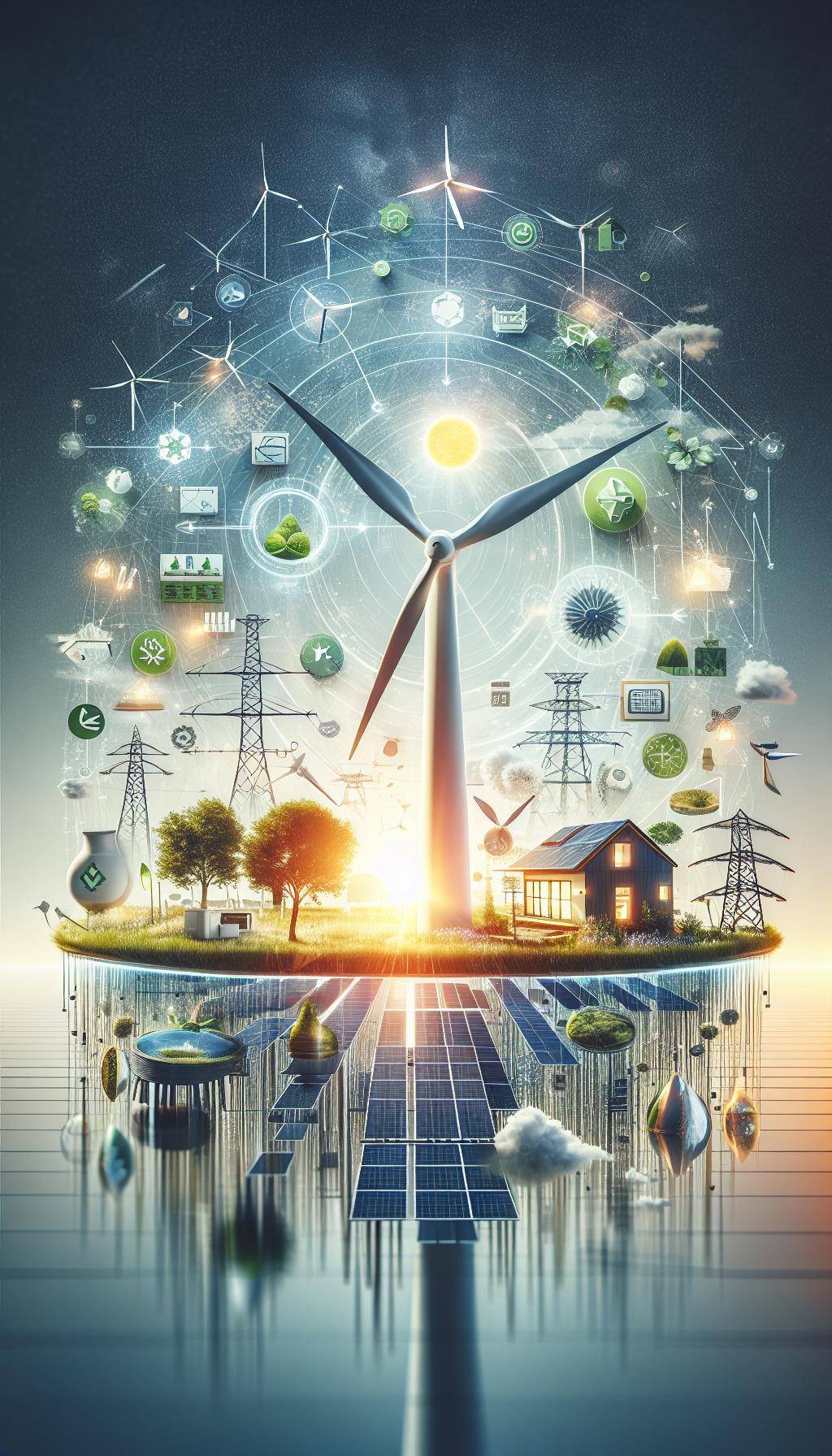
The towering structure of a wind turbine stands not only as a physical support but also as a crucial facilitator in the conversion of wind energy into electrical power. By elevating the rotor blades high above ground level, the tower plays a vital role in accessing more consistent and powerful wind currents. Typically ranging from 80 to 120 meters in height, these towers optimize the turbine’s efficiency, allowing it to capture energy even at low wind speeds, which can significantly enhance overall energy production.
One essential aspect of the tower’s design is its ability to withstand the stresses imposed by high winds and varying weather conditions. Towers are usually constructed from robust materials like steel or concrete, designed to ensure durability and stability. The taller the tower, the greater the height from which wind can be harnessed, illustrating how the integration of height and structure directly impacts the turbine’s performance. Moreover, the strategic placement of turbines in open areas, away from obstacles like buildings and trees, maximizes wind exposure, demonstrating the tower’s importance beyond mere construction.
In addition to supporting the mechanical components, the tower also houses the electrical connections that transport the generated power. Inside the tower, cables connect the generator and the control systems, maintaining a secure and efficient flow of electricity from the turbine to the energy grid. This integrative role is crucial for ensuring that the energy harvested from the wind is effectively utilized to power homes and businesses, thus highlighting the importance of the tower in the broader context of renewable energy systems.
Ultimately, the tower is more than just a structural necessity; it is a key player in the technology of wind energy conversion. Understanding its role offers insights into how energy generation can meet our growing demand sustainably. As we continue to seek innovative solutions to energy challenges, recognizing the multifaceted functions of components like the tower empowers us to support and invest in wind energy initiatives that benefit both our communities and the environment.
Exploring the Function of the Rotor Blades
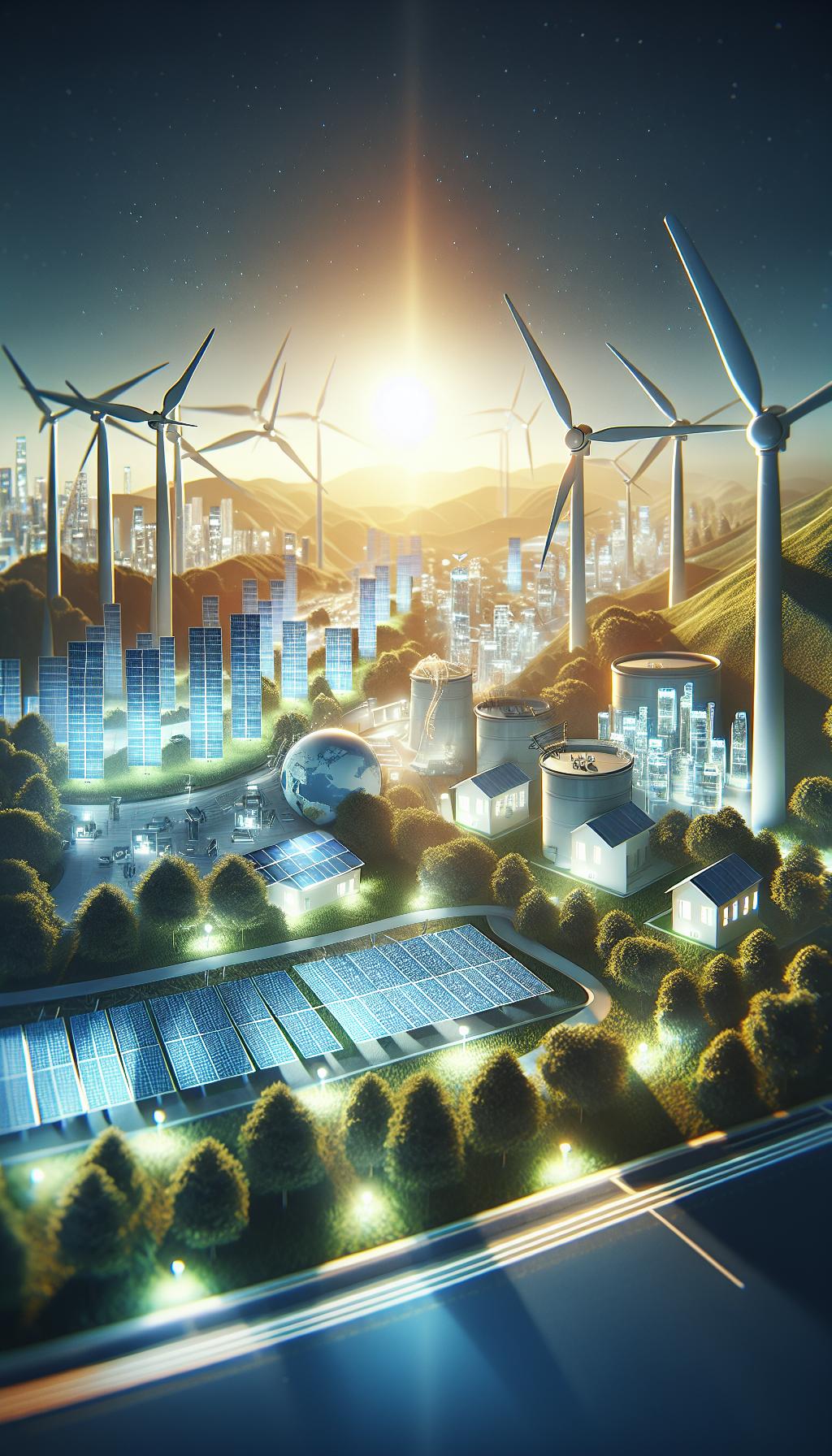
The rotor blades of a wind turbine are critical components that harness the kinetic energy from the wind, converting it into mechanical energy. These blades are designed to optimize aerodynamics, which allows them to capture even the slightest breeze effectively. Their shape, typically resembling an airfoil, is crucial as it enables them to create lift as wind flows over and under them, thereby causing the rotor to spin. In fact, the efficiency of a wind turbine is heavily reliant on the design and material of the rotor blades, which can greatly influence overall energy production.
When considering the function of rotor blades, their length plays a significant role. Longer blades can sweep a larger area, subsequently capturing more wind energy. Most modern wind turbines feature blades that range from 40 to 80 meters in length. This size not only enhances energy capture but also allows turbines to perform well in low-wind conditions, ensuring a more consistent energy output. Additionally, advancements in blade materials, like lightweight composites, have enabled engineers to design blades that are both strong and flexible, capable of withstanding extreme weather conditions while maximizing energy conversion.
The rotor blades are connected to a hub, which transfers the rotational energy they generate to the gearbox. This interconnection is vital for transforming the slow rotational speeds of the blades into higher speeds suitable for electricity generation. Moreover, the angle of the blades, known as pitch, can be altered to adjust for changing wind speeds. This adaptability ensures optimal performance across various wind conditions, enhancing both efficiency and safety.
In summary, rotor blades are not just passive structures; they are dynamic components that play a substantial role in the efficacy of wind energy conversion. Their design, size, and materials are all geared towards maximizing energy capture while ensuring resilience against the elements. Understanding the intricacies of rotor blades is essential for appreciating how wind turbines function and contribute to sustainable energy solutions. By harnessing wind through innovative designs, we can continue to move towards a cleaner energy future.
How the Gearbox Enhances Turbine Efficiency

The gearbox is a pivotal component of a wind turbine, often overlooked yet essential for maximizing energy production. Functioning like the transmission in a car, the gearbox takes the relatively slow rotational speed of the rotor blades and increases it to a speed suitable for generating electricity. This transformation is crucial because the generator that converts mechanical energy into electrical energy operates most efficiently at higher speeds, usually between 1,500 to 1,800 rotations per minute (RPM).
One of the most significant advantages of an effective gearbox system is its capability to optimize the turbine’s overall efficiency. By increasing the rotational speed, the gearbox ensures that the generator can produce electricity more effectively from the energy captured by the rotor blades. The gearbox also plays a role in managing the varying speeds at which the rotor blades turn due to changes in wind speed. This is achieved through precise engineering that includes components such as planetary gears or helical gears, each designed to handle different load conditions while maintaining high efficiency.
Moreover, advancements in gearbox technology have led to innovations that enhance durability and reduce maintenance needs, which are critical for long-term operational efficiency. For example, modern gearboxes often incorporate improved lubricants and materials that reduce friction and wear, thereby extending their lifespan. Additionally, many manufacturers are now focusing on producing gearboxes that are lighter and more compact, which contributes to lowering the overall weight of the turbine-a vital factor for optimizing energy output in various wind conditions.
In conclusion, the gearbox is not merely a mechanical fixture but a key player in enhancing the operational efficiency of wind turbines. By elevating the speed of the mechanical output, enabling better energy conversion, and ensuring reliability through advanced technologies, the gearbox significantly contributes to the sustainability and effectiveness of wind energy as a clean power source. Investing in proper gearbox maintenance and technology can lead to substantial improvements in energy production, affirming its importance in the ever-evolving landscape of renewable energy.
The Importance of the Generator in Energy Production
Harnessing the power of the wind is a remarkable feat of engineering, but at the heart of every wind turbine lies a crucial component that determines how effectively that energy is converted into usable electricity: the generator. This essential device transforms the mechanical energy generated by the rotor blades into electrical energy, which can then be fed into the power grid or used to supply local energy needs. Without a reliable generator, the entire wind energy system would falter, making understanding its function critical for anyone interested in renewable energy.
The generator operates by utilizing electromagnetic induction, a process discovered in the 19th century, where moving a conductor through a magnetic field generates an electric current. In most modern wind turbines, there are two predominant types of generators: synchronous and asynchronous (or induction) generators. Synchronous generators maintain constant speed with the rotation of the turbine, while asynchronous generators allow for more flexibility in operation, adapting to varying wind conditions. This adaptability is vital, as wind speeds can fluctuate dramatically; therefore, a generator that can handle a range of speeds ensures consistent energy production.
Challenges and Innovations
While the generator plays a key role in energy production, it also faces challenges, such as efficiency losses at low wind speeds and the need for maintenance due to wear and tear. Innovations in generator design, such as direct-drive systems that eliminate the need for a gearbox, are being explored to address these concerns. By enhancing the efficiency and reliability of the generator, manufacturers can reduce maintenance costs and downtime, significantly improving the overall economics of wind energy projects.
Furthermore, advanced materials and technologies are being employed to create lighter and more efficient generators. For instance, the use of permanent magnets in generator design has become increasingly common, offering higher efficiency and reducing reliance on external power sources to energize the generator. Such advancements not only improve performance but also bring down the cost of energy generation, which is essential as the world strives to increase its renewable energy capacity.
In summary, the generator is not just a vital component; it is the engine of energy conversion within a wind turbine, translating the natural, kinetic energy of the wind into electrical power. As technology continues to evolve, innovative solutions will further enhance the role of generators in facilitating a sustainable energy future, making wind energy an increasingly viable solution for meeting global energy demands. Whether you’re a homeowner contemplating renewable energy options or a professional in the field, recognizing the significance of the generator empowers you to appreciate the complexities and advancements of wind energy technology.
Understanding the Role of the Controller in Operation
The controller is the brain of a wind turbine, ensuring that each component operates seamlessly to maximize energy production while maintaining safety. By analyzing real-time data from various sensors throughout the turbine-such as wind speed, rotor speed, and power output-the controller makes instantaneous decisions that optimize the overall performance. For instance, when wind speeds increase beyond the turbine’s operational limits, the controller can initiate protective measures, such as feathering the blades to reduce lift and prevent mechanical stress.
The importance of the controller extends beyond power optimization; it plays a crucial role in data management and communication. Modern turbines are equipped with advanced control systems that not only respond to current conditions but also collect historical performance data. This data can be invaluable for predictive maintenance, allowing operators to identify potential issues before they escalate, thereby reducing downtime and maintenance costs. Furthermore, with the integration of remote monitoring technologies, operators can access real-time performance metrics from anywhere, enabling a more proactive management approach.
Key Functions of the Controller
- Monitoring Wind Conditions: Constantly evaluates wind speed and direction to adjust turbine operation accordingly.
- Performance Optimization: Adjusts blade pitch and rotor speed to maximize energy production based on current wind conditions.
- Safety Management: Implements emergency shutdown procedures during extreme weather or mechanical failures to protect the turbine and surrounding infrastructure.
- Data Collection and Reporting: Gathers and transmits performance data for analysis and reporting, facilitating informed operational decisions.
The evolution of controller technologies has led to significant improvements in the efficiency and reliability of wind turbines. As artificial intelligence and machine learning become more integrated into control systems, the potential for predictive analytics expands. This means future turbines could autonomously adjust operations based on complex algorithms that interpret vast amounts of data, ultimately enhancing energy output and reducing maintenance needs. By investing in robust control systems, operators can not only bolster the efficiency of their turbines but also contribute to the broader goal of sustainable energy production, a mission that resonates strongly with both homeowners and industry professionals alike.
Examining the Brake Systems for Safety and Control
The braking system of a wind turbine is an often-overlooked yet crucial component that ensures the safety and efficiency of the entire system. As towers reach impressive heights and blades spin at remarkable speeds, the ability to control this motion is paramount. In extreme weather conditions or operational failures, a reliable braking system becomes essential to prevent potential damage to both the turbine and its surroundings. Understanding how these systems function is key for anyone involved in the operation and maintenance of wind energy facilities.
Wind turbines typically employ two main types of braking systems: mechanical and dynamic brakes. Mechanical brakes are activated to physically halt the rotor blades, using friction pads mounted on the rotor or the transmission shaft. This type of braking is straightforward and effective for immediate stops, particularly during maintenance. In contrast, dynamic brakes utilize the generator’s resistance, converting kinetic energy into heat, which can slow down the rotor without the wear and tear associated with mechanical systems. The combination of these braking methods enhances reliability and versatility, ensuring that turbines can respond to a variety of scenarios quickly.
Regular inspection and maintenance of the braking system should not be neglected. Like any mechanical system, the brake components can experience wear over time, particularly if the turbine operates in harsh environmental conditions. Operators must schedule routine checks to assess the condition of braking pads, inspect hydraulic systems used in dynamic brakes, and ensure that all electronic and mechanical interfaces are functioning correctly. By maintaining these systems, operators can avoid costly downtimes and ensure the longevity of their wind turbines.
In addition to performance, a well-functioning brake system contributes to the overall safety of wind operations. By implementing advanced control strategies, such as those that trigger braking actions during unexpected changes in wind speeds, operators can minimize hazards. Additionally, innovative technologies like predictive maintenance powered by machine learning algorithms can identify potential braking system failures before they escalate, further enhancing both safety and operational efficiency. Investing in these systems and practices not only boosts a turbine’s performance but also reinforces the commitment to sustainable and safe energy production.
The Effectiveness of the Yaw System in Turbines
Efficient energy capture is at the heart of wind turbine operations, and one critical component that significantly contributes to this efficiency is the yaw system. This system is responsible for aligning the turbine’s rotor with the wind direction, ensuring that the maximum amount of wind energy is harnessed. When a wind turbine is oriented correctly, its blades can effectively cut through the wind, optimizing energy production and reducing wear on mechanical components.
The yaw system operates through a combination of sensors, drives, and control mechanisms. Sensors detect the wind direction and speed, sending data to the control system, which then determines the necessary adjustments. An actuator then moves the turbine in the appropriate direction using a motorized system, typically mounted on the nacelle (the housing at the top of the tower). This continuous adjustment is vital, especially in changing wind conditions, where failing to align with the wind can result in significant energy losses.
Furthermore, modern yaw systems incorporate advanced technologies that enhance their effectiveness. For instance, predictive software can forecast wind shifts based on historical data, allowing turbines to preemptively adjust their positions before the wind changes direction. This proactive approach not only maximizes energy capture but also extends the operational life of the turbine by reducing strain on mechanical parts.
To maintain the effectiveness of the yaw system, regular inspections and maintenance are essential. Operators should check the alignment precision, inspect the mechanical components for wear, and ensure that the control systems are functioning correctly. These preventive measures not only enhance efficiency but also mitigate the risk of downtime, ultimately contributing to a more reliable and profitable wind energy production system. By understanding and optimizing the yaw system’s performance, stakeholders can significantly impact the viability and sustainability of wind energy solutions.
Innovations in Wind Turbine Design and Technology
The landscape of wind turbine technology is continuously evolving, marked by innovative designs aimed at increasing efficiency and sustainability. With increasing pressure to transition to renewable energy sources, engineers and researchers are pushing the boundaries of what is possible in wind energy. Innovations in materials, design, and technology not only enhance energy capture but also improve overall turbine performance, durability, and integration with the power grid.
One significant advancement is the development of larger rotor blades made from lightweight, yet strong composite materials. These blades can span up to 100 meters or more, capturing more wind and generating greater energy output even at lower wind speeds. The increase in blade size raises the amount of surface area that interacts with the wind, enabling turbines to operate more efficiently while also reducing the number needed per installation site. This not only significantly boosts energy production but also lowers the cost per megawatt hour.
Smart Technology Integration
Another noteworthy trend is the integration of smart technology and IoT (Internet of Things) within wind turbine systems. Sensors embedded in turbine components collect real-time data on performance metrics and operational conditions. This information is essential for predictive maintenance, where algorithms predict potential failures before they occur, minimizing downtime and maintenance costs. By leveraging machine learning and analysis of historical data, operators can significantly improve turbine reliability and extend their operational lifespan.
At the same time, advances in composite materials are optimizing turbine design. Newer materials are not only lighter but also significantly stronger, allowing for the creation of larger, more efficient blades. These materials also improve the resiliency of turbines, helping them withstand extreme weather conditions, thus enhancing their overall lifespan and performance.
Environmental Considerations
It’s crucial to highlight that many innovations are also aimed at minimizing the environmental impact of wind turbines. Engineers are focusing on creating quieter turbines that reduce disturbances to wildlife and local communities, as well as adopting designs that are less visually intrusive. Some companies are experimenting with vertical-axis wind turbines that may be more suitable for urban environments, capturing wind energy in a more compact format and blending into the architectural landscape.
In summary, ongoing not only contribute to higher efficiency and energy output but also tackle environmental and operational challenges associated with traditional models. As these advancements continue to emerge, stakeholders-from policymakers to homeowners-can look forward to a more resilient and sustainable future powered by renewable energy solutions. Understanding these innovations will empower individuals and communities to embrace wind energy as a viable choice for a greener tomorrow.
Maintenance Essentials for Optimal Performance
Maintaining wind turbines is essential not only for ensuring consistent energy production but also for maximizing the lifespan and efficiency of each component. Just like any complex machinery, a wind turbine requires regular assessments and timely interventions to operate at peak performance. Proactive maintenance can help identify potential issues before they escalate, leading to significant cost savings and reduced downtime.
One of the most effective strategies in wind turbine maintenance is the implementation of predictive maintenance through smart technology. By using sensors and IoT devices, operators can monitor critical parameters such as vibrations, temperature, and load in real time. This data allows for advanced analytics to predict when a part may fail, enabling preemptive repairs. Regular inspections should also include visual checks of the tower, blades, and nacelle to spot any signs of wear and tear or damage caused by extreme weather conditions.
In addition to predictive maintenance, routine scheduled maintenance is crucial. This typically involves lubricating moving parts, tightening bolts, and checking electrical connections, ensuring everything is functioning as intended. A thorough check on the brake system is also vital, as these components are critical for the safe operation of the turbine. Moreover, blades should be inspected for leading edge erosion and environmental wear, which can significantly impact performance.
Maintaining wind turbines effectively is an investment in energy efficiency and sustainability. Operators should create a comprehensive maintenance schedule that outlines frequency and responsibilities for assessments and repairs. By fostering a culture of regular upkeep and utilizing modern technology, wind energy operators can enhance not only their operational performance but also contribute positively to the environment through efficient and renewable energy production.
Sustainability: The Environmental Impact of Wind Turbines
Wind turbines are often celebrated as one of the most promising solutions in the transition towards sustainable energy. Their primary role in harnessing wind energy helps reduce greenhouse gas emissions, making them a crucial component in combating climate change. By converting the kinetic energy of wind into electrical energy, wind turbines offer a clean and renewable energy source that can power homes, businesses, and even entire cities without the harmful byproducts associated with fossil fuels.
The various components of a wind turbine play integral roles in this environmental advantage. For instance, the rotor blades are engineered to maximize energy capture from the wind, while the gearbox and generator work together to convert that captured energy into electricity efficiently. This intricate collaboration not only enhances energy production but also minimizes the overall land and resource footprint compared to conventional energy sources. Furthermore, advancements in turbine technology have led to larger, more efficient designs that can generate more power while using fewer materials, thus reducing the environmental impact of their manufacture and installation.
In addition to reducing carbon emissions, wind turbines contribute to biodiversity when designed and sited thoughtfully. For example, new projects are increasingly utilizing eco-sensitive planning strategies to minimize habitat disruption. Sites are being chosen based on extensive environmental assessments, ensuring that local wildlife is protected. As wind energy continues to grow, initiatives are being developed to support wildlife-friendly practices, including technology that helps prevent bird and bat collisions with turbines.
However, the sustainability of wind turbines does not solely depend on their operation; it extends to their entire lifecycle, from production to decommissioning. Emphasizing recyclability and sustainable material sourcing during manufacturing can mitigate waste, while end-of-life strategies that involve reusing and recycling turbine components are critical in promoting a circular economy. The adoption of such sustainable practices ensures that wind energy remains a viable alternative as we strive for a greener future, showcasing that the environmental benefits of wind turbines can be maximized through responsible management and innovative design.
Future Trends in Wind Turbine Component Development
The wind energy sector is on the brink of a technological revolution, driven by innovations aimed at maximizing performance while minimizing environmental impact. As the demand for renewable energy surges, engineers and scientists are focusing on improving turbine components through advanced materials, design optimizations, and smart technologies. For example, lighter and more durable materials like carbon fiber composites are increasingly being used to construct rotor blades. These materials not only increase efficiency by allowing for larger blades but also extend the lifespan of the components, making wind turbines more economically viable over their operational life.
Enhanced Efficiency through Digital Technologies
Digital transformation is another significant trend shaping the future of wind turbine components. IoT sensors and AI analytics are being integrated into turbine systems to monitor performance in real-time. This data-driven approach enables operators to predict maintenance needs before they become critical, thereby reducing downtime and extending the service life of the turbines. Furthermore, smart algorithms adjust the operational parameters dynamically, optimizing the energy output based on wind conditions instantaneously.
Innovations in Yaw and Pitch Control Systems
Another area garnering attention is the yaw and pitch control systems, which are essential for aligning the turbine with wind direction and optimizing blade angle for maximum efficiency. Future developments include self-calibrating control systems that leverage machine learning to adapt to changes in environmental conditions. These advancements promise to enhance the responsiveness of turbines to shifting wind patterns, ensuring consistent energy production even in variable weather.
Recyclable and Sustainable Materials
As sustainability becomes a core focus in turbine development, manufacturers are exploring recyclable materials for wind turbine components. Innovations in the use of bio-composites and other eco-friendly materials will not only help reduce waste during production and decommissioning but will also align the industry with global sustainability goals. These materials can provide similar or improved mechanical characteristics while being less harmful to the environment, thus closing the sustainability loop in wind energy generation.
In conclusion, as wind turbine technology continues to evolve, these advancements in component development will lead to more efficient, reliable, and sustainable wind energy systems. By staying informed about these trends, stakeholders-from manufacturers to policymakers-can better contribute to and benefit from the ongoing transition to renewable energy. The commitment to innovation will not only enhance energy production but also play a vital role in the global effort to combat climate change.
Frequently Asked Questions
Q: What are the main components of a wind turbine?
A: The key components of a wind turbine include the rotor blades, hub, nacelle, tower, and foundation. The rotor blades capture wind energy, the hub connects the blades to the turbine, the nacelle houses the generator and gearbox, the tower supports the structure, and the foundation anchors it securely to the ground.
Q: How do wind turbine blades work?
A: Wind turbine blades are designed to convert wind energy into rotational energy. When wind flows over the blades, it creates lift and drag that causes the blades to spin around the hub. This rotation drives a generator within the nacelle, producing electricity.
Q: What materials are used for wind turbine construction?
A: Wind turbines are typically constructed from materials like fiberglass, steel, and concrete. Fiberglass is often used for blades due to its lightweight and strength, steel provides structural support for the tower, and concrete is commonly used for the foundation due to its durability and stability.
Q: Why is the tower height important for wind turbines?
A: Tower height is critical because wind speeds increase with altitude. By elevating the turbine, designers can capture faster winds that offer more energy potential, improving efficiency and overall energy production. Taller towers can also reduce turbulence, enhancing performance.
Q: How does the nacelle of a wind turbine function?
A: The nacelle contains essential components, including the gearbox, generator, and control systems. It converts the mechanical energy from the rotor into electrical energy and houses the technology that optimizes performance and safety, ensuring the turbine operates effectively under various wind conditions.
Q: What role does the foundation play in a wind turbine?
A: The foundation supports the entire wind turbine structure, ensuring stability and safety. It must be designed to withstand wind forces and the weight of the tower and nacelle. A solid foundation minimizes movement and vibration, which can enhance the turbine’s longevity and efficiency.
Q: Can wind turbines operate in any wind conditions?
A: Wind turbines can generally operate in a range of wind conditions, but each turbine has a specific cut-in and cut-out speed. They start generating power at low speeds (around 3-4 m/s) and shut down to prevent damage when winds exceed about 25 m/s.
Q: How are wind turbines maintained?
A: Maintaining wind turbines involves regular inspections, lubrication of moving parts, and monitoring for wear and tear. Scheduled maintenance checks ensure optimal performance and longevity. Operators often use predictive maintenance technologies to anticipate issues and reduce downtime.
Feel free to explore more detailed insights on each component and their functions in our main article about wind turbines!
Insights and Conclusions
Thank you for exploring the intricate components of wind turbines with us! Understanding each part not only helps you appreciate how these clean energy marvels work but also empowers you to make informed decisions about sustainable energy solutions. As you consider the future of renewable energy, don’t miss our insightful articles on “The Benefits of Wind Energy” and “How to Choose the Right Wind Turbine for Your Home” to deepen your knowledge.
Curious about specific turbine technologies or have questions about installation? Join the conversation in the comments below or reach out to our community of experts who are ready to guide you on your clean energy journey. Don’t forget to subscribe to our newsletter for the latest insights and updates in renewable energy. Your next step towards making a positive impact starts today-let’s harness the power of the wind together!
Get our latest guides, news, and insights highlighted in your Google Search & AI Overviews.


