As the demand for renewable energy rises, understanding how to effectively utilize land for wind turbines becomes crucial. On 100 acres, the number of turbines you can install varies based on factors like spacing requirements, local regulations, and the specific turbine model. This article will explore not just the calculations involved, but also the broader implications of wind energy installations, such as environmental benefits and economic incentives.
Imagine transforming a portion of your land into a source of clean energy while contributing to a sustainable future. Whether you’re a landowner, a developer, or simply curious about renewable energy solutions, knowing how many wind turbines can fit on your property is a vital first step. Join us as we delve into land planning for wind energy, empowering you with the knowledge to make informed decisions that align with both economic viability and environmental stewardship.
Considerations for Wind Turbines on 100 Acres
When considering the placement of wind turbines on a 100-acre site, a variety of factors come into play that can significantly impact both efficiency and community support. For instance, the layout of the land-its topography, wind patterns, and neighboring structures-will dictate not only how many turbines can be installed but also how they will perform. An ideal site will maximize wind capture while minimizing interference from obstacles such as trees, buildings, and other turbines, which can create turbulence and reduce energy output.
One crucial consideration is the spacing between turbines, which often requires a balance between density and performance. Turbines typically need to be spaced at least 5 to 10 rotor diameters apart to ensure optimal wind flow. This means that on a flat, unobstructed landscape, you might fit fewer turbines than you would on more challenging terrain where strategic placement is necessary. Additionally, local zoning regulations and environmental impact assessments will influence how and where turbines can be installed, ensuring that they comply with safety standards and community needs.
Moreover, engaging with the local community early in the planning stages can be beneficial. Hosting informational sessions and discussing the benefits of wind energy-such as reduced carbon emissions and potential economic boosts from job creation-can alleviate concerns and foster support. By addressing local interests and incorporating feedback into the project design, developers can create a sense of shared ownership and responsibility toward renewable energy initiatives.
Ultimately, effective land planning for wind turbines on 100 acres involves careful consideration of space, community engagement, and environmental stewardship, paving the way for a sustainable energy future while respecting the needs of both nature and surrounding populations.
Understanding Land Use for Wind Energy
The land use considerations for wind energy development are critical to ensuring both the efficiency of wind turbine installations and the preservation of local ecosystems. Understanding the physical characteristics of the land, such as its topography, soil types, and existing vegetation, can significantly affect turbine placement and operational effectiveness. For instance, hilly or uneven landscapes may necessitate unique placement strategies to capture optimal wind flow, while flat areas generally allow for a more uniform arrangement of turbines.
One essential aspect of land use is the requirement for sufficient spacing between turbines. To minimize turbulence and maximize energy capture, turbines should typically be spaced at least 5 to 10 rotor diameters apart. This means that strategically planning the layout can not only increase the number of turbines but also enhance their overall efficiency. A common strategy is to utilize the land’s prevailing wind directions and avoid areas that could obstruct airflow, such as large buildings or clusters of trees.
Engaging with local land use planning efforts is equally important. This involves understanding and adhering to zoning laws and environmental regulations that govern land use and protection. Developers should conduct thorough site assessments, which often include environmental impact studies to address any potential effects on local wildlife and habitats. Collaboration with local governments and communities can facilitate a smoother approval process and foster positive relationships with stakeholders, ensuring that their interests and concerns are respected and integrated into the project’s design.
In addition to meeting regulatory requirements, it’s worthwhile to consider the long-term sustainability of the land being used. Practices such as maintaining wildlife corridors and implementing erosion control measures can help protect the environment while still achieving energy production goals. By prioritizing land stewardship alongside energy needs, wind energy projects can contribute positively to both local economies and ecological systems, establishing a model for sustainable land use in renewable energy development.
Optimal Wind Turbine Density Explained
Achieving the ideal wind turbine density on a 100-acre site is essential for maximizing energy production while ensuring operational efficiency and minimized environmental impact. A well-planned layout of wind turbines not only helps to harness the wind effectively but also ensures that each turbine operates at optimal performance without causing excessive turbulence to its neighbors. When planning the installation, developers typically follow general industry guidelines recommending that turbines be spaced at least 5 to 10 rotor diameters apart. This spacing reduces wind shadow effects and turbulence, enhancing the overall output of each turbine.
To illustrate, consider a scenario where a standard turbine has a rotor diameter of 120 feet. Following the guideline for spacing, turbines should be placed anywhere from 600 to 1,200 feet apart. On a 100-acre plot-equivalent to about 4.35 million square feet-this spacing allows for the arrangement of several turbines while avoiding over-congestion that could hinder wind flow and energy capture. A typical configuration might support approximately 5 to 10 turbines, depending on specific site conditions and local wind patterns.
In addition to physical spacing, it’s crucial to evaluate the height and size of the turbines relative to the land’s topography. For instance, setting up turbines on elevated terrain may allow for taller towers, which can access stronger and more consistent winds. Understanding the prevailing wind direction is also important; turbines should be oriented to capture this flow effectively. Thus, conducting a detailed wind resource assessment becomes a vital step in the planning process.
Ultimately, successful wind energy projects aim for a balance between density and efficiency. They must respect local environmental factors, community interests, and regulatory requirements while optimizing energy generation. Engaging with local stakeholders during the planning phase can provide insights on community concerns and enhance the project’s acceptance, paving the way for a successful installation that benefits both energy producers and the surrounding environment.
Factors Influencing Wind Turbine Placement
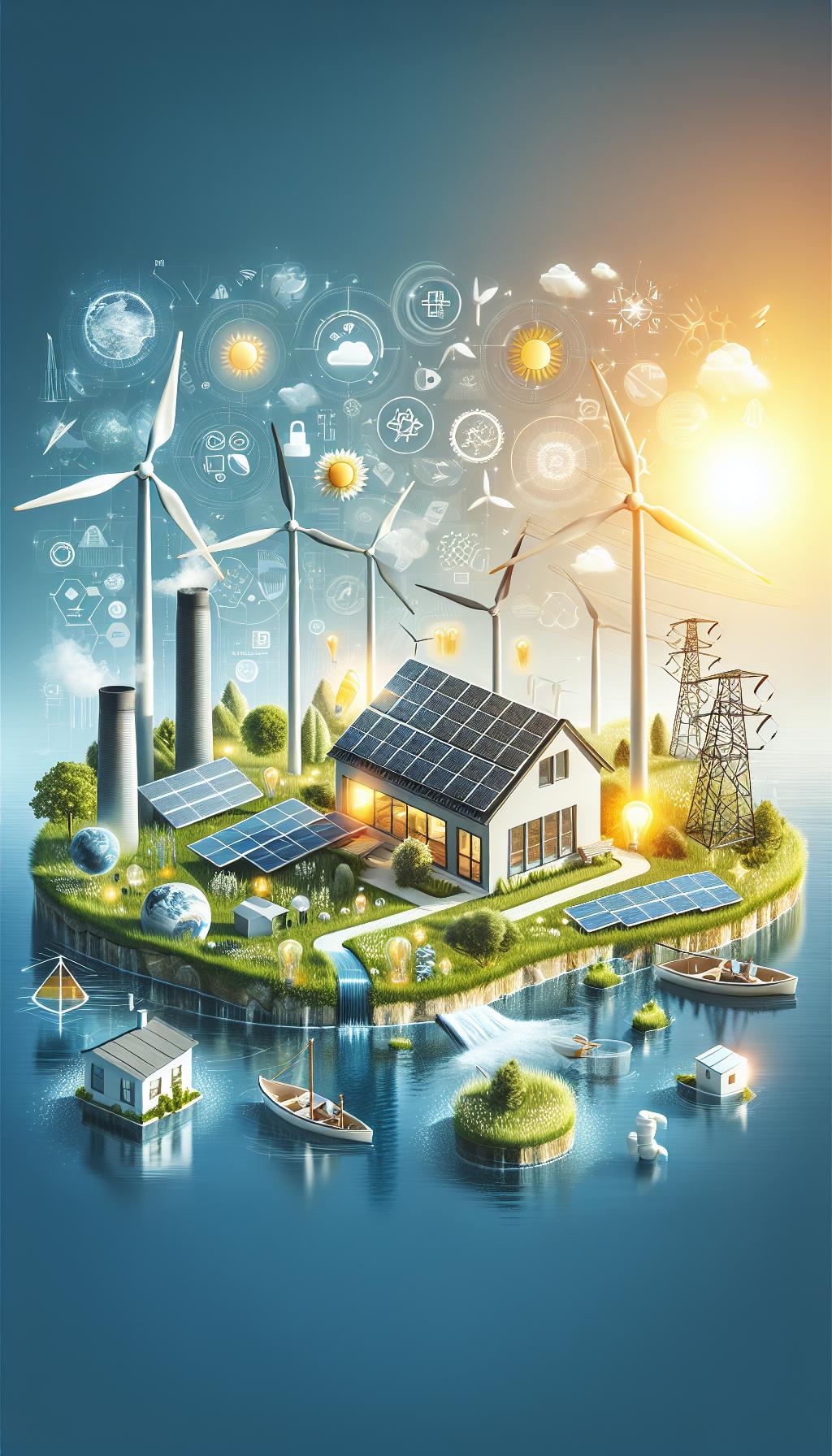
The success of a wind energy project hinges significantly on the careful selection of turbine placement. Multiple factors influence this critical decision, with the aim of maximizing energy capture while minimizing ecological impact and operational challenges. One paramount consideration is the local topography. For instance, positioning turbines on higher elevations can optimize their exposure to unimpeded wind flow, effectively translating into higher energy production. Similarly, analyzing land contours can help determine not only the best locations for turbines but also how to arrange them to facilitate maintenance and accessibility.
Wind Direction and Speed also plays a crucial role in turbine placement. By conducting a detailed wind resource assessment, developers can identify the prevailing wind patterns at the site. Turbines should be strategically oriented to face these winds, ensuring that they exploit the maximum potential available. Understanding seasonal variations in wind patterns can also guide decisions regarding which turbine models might be most effective, as certain designs may perform better in turbulent conditions.
Another vital factor to consider is Spacing. Adhering to industry standards for turbine spacing-typically 5 to 10 rotor diameters apart-helps mitigate the wake effect, where one turbine’s performance can negatively impact its neighbors. This spacing is essential to ensure optimal functioning and energy output from each turbine. Furthermore, developers should also visualize the overall layout and accessibility to manage operational safety effectively.
Lastly, engaging with Local Communities isn’t just beneficial; it’s necessary. Listening to local stakeholders can unveil concerns about aesthetics, sound, and potential impacts on wildlife. Establishing good communication can assist in aligning the project goals with community values, which not only fosters better acceptance but can also influence wind turbine design and placement decisions. Developers who prioritize these factors create a more sustainable and efficient wind energy ecosystem, paving the way for successful installations on 100 acres.
Calculating Energy Output from Turbine Installations
Calculating the energy output of turbine installations on a specified acreage is critical for understanding the feasibility and potential return on investment of a wind energy project. The energy produced by a wind turbine is influenced primarily by its capacity and the wind conditions at the site. Each turbine has a rated capacity, expressed in megawatts (MW), representing the maximum electricity it can generate under ideal wind conditions. To estimate energy output effectively, developers need to calculate the expected capacity factor, which takes into account the variation in wind speed and turbine efficiency over time.
The energy output can be approximated using the formula:
Energy Output (MWh) = Capacity (MW) × Hours per Year × Capacity Factor
Typically, a good capacity factor for modern wind turbines ranges from 30% to 50%, depending on the site’s wind resource. For instance, if you install a 2 MW turbine with a 40% capacity factor, you can expect an annual output of:
Energy Output = 2 MW × 8,760 hours/year × 0.40 ≈ 7,008 MWh/year
To maximize energy output on 100 acres, several factors must be considered, including the number of turbines that can be effectively accommodated without hindering one another’s performance due to the wake effect. The typical spacing guideline of 5 to 10 rotor diameters is crucial for ensuring that each turbine can operate without excessive turbulence from its neighbors. For example, if your chosen turbine has a rotor diameter of 120 meters, the spacing should be between 600 to 1,200 meters apart, influencing the number of turbines you can fit within the available area.
In addition to spacing, it is essential to conduct thorough wind resource assessments. This involves measuring wind speeds at various heights and times of the year to gain insights into the best turbine models suited for the site. Factors such as seasonal variations can lead to significant differences in energy production, emphasizing the importance of tailored assessments rather than standardized calculations.
To summarize, accurately on 100 acres involves understanding turbine capacity, assessing wind resource potential, and applying effective land-use strategies to optimize the number of units. This comprehensive approach not only maximizes efficiency but also reinforces the sustainability of wind energy projects, aligning financial goals with environmental stewardship.
Environmental Impact of Wind Turbines
The introduction of wind turbines on any land not only transforms the landscape-both visually and environmentally-but also sparks ongoing discussions about their ecological footprint. While wind energy is widely celebrated for its potential to reduce greenhouse gas emissions and dependency on fossil fuels, incorporating wind turbines into a 100-acre expanse comes with its own set of environmental considerations that must be carefully evaluated.
One of the primary concerns related to the is their effect on local wildlife, particularly avian and bat populations. Birds can be susceptible to collisions with turbine blades, especially during migratory seasons. It is crucial to conduct thorough environmental assessments prior to installation, which can help identify key migratory routes or nesting areas. By strategically placing turbines and implementing monitoring practices post-installation, developers can mitigate these risks, thereby protecting wildlife while harnessing renewable energy.
Land Use and Habitat Transformation
The land on which wind farms are constructed often undergoes significant changes, altering both the topography and land use patterns. While the footprint of individual turbines is relatively small, the associated infrastructure-such as access roads and substations-can lead to habitat fragmentation. This fragmentation may disrupt local ecosystems and the species that inhabit them. Thus, it is advisable for developers to engage in practices that promote habitat restoration and conservation, ensuring that appropriate measures are taken to support local flora and fauna.
Moreover, the use of 100 acres for wind energy development can contribute positively to land management. When thoughtfully integrated, wind farms can coexist with agricultural activities, offering dual land use opportunities. Examples abound where farmers and ranchers benefit from additional income streams through land leases to wind developers, allowing for sustainable agriculture alongside renewable energy generation.
Noise and Visual Pollution
Another notable aspect is the potential for noise and visual impacts. Wind turbines generate sound, primarily from the movement of blades through the air and mechanical operations at the base. While modern turbines are designed to minimize noise, the perception of sound can vary among individuals and communities, leading to concerns about quality of life. Engaging with local stakeholders through transparent communication can help address these concerns and foster community support.
On the visual front, wind turbines can alter landscapes and potentially affect property values. However, many find the sight of turbines inspiring and view them as symbols of innovation in clean energy. Studies suggest that public attitudes can shift positively when the economic and environmental benefits are effectively communicated, further enhancing community buy-in.
In conclusion, while the demands careful consideration, there are practical approaches and solutions that can mitigate adverse effects. By prioritizing wildlife protection, land use optimization, noise management, and community engagement, the deployment of wind energy on 100 acres can be harmonized with environmental stewardship, reinforcing a commitment to sustainable energy futures. Implementing these strategies not only positions wind energy development positively but also demonstrates a dedication to being responsible stewards of the land and its ecosystems.
Zoning Laws and Regulations for Wind Farms
Navigating the regulatory landscape for wind farm development is crucial for anyone considering the installation of wind turbines on their land. Each region has its own set of zoning laws and regulations that can significantly influence the feasibility and design of wind projects. Understanding these legal frameworks not only helps in complying with local mandates but also in maximizing the potential benefits of wind energy development.
Municipalities often have specific zoning classifications for wind energy systems. These laws can dictate where turbines can be installed, how tall they can be, and how far they must be set back from property lines, roads, and residences. For instance, some areas may require a minimum distance of 1,000 feet from homes, while others might impose height restrictions based on local aesthetics or safety concerns. Additionally, special permits might be needed for construction, which can involve detailed site assessments and environmental impact studies. It is essential for developers to engage with local planning departments early in the process to identify these requirements.
Moreover, many states offer streamlined processes or incentives for renewable energy projects, but these benefits may come with their own regulatory conditions that must be met. For example, developers might need to demonstrate compliance with state renewable energy standards or provide evidence of community support for their projects. Engaging with local stakeholders can also help in easing regulatory hurdles, as demonstrated by successful projects that included community feedback in their planning stages.
Understanding zoning laws and regulations not only facilitates smoother project implementation but can also enhance the potential for financial support from both government and private entities. By ensuring compliance with local regulations, developers set the stage for a legally sound project that resonates with community values while contributing to a sustainable energy future.
Engaging Local Communities in Wind Projects
Community involvement is a cornerstone of successful wind energy projects, particularly when considering how many turbines might fit on a given parcel of land, like 100 acres. Engaging local residents from the outset can bridge gaps between developers and the community, fostering a sense of ownership and partnership that benefits all stakeholders. Studies show that projects with strong community support often see smoother approvals and enhanced operational success, making engagement not just a nice-to-have, but a necessary strategy.
One effective approach to community engagement is through education and transparency. Projects should actively communicate the benefits of wind energy, such as reduced greenhouse gas emissions and job creation, as well as address common concerns regarding aesthetics, noise, and land use. Hosting informational meetings and workshops allows developers to present data and answer questions directly, helping to dispel myths about wind energy and its impacts. For example, an initial meeting could include a breakdown of how wind turbines work and their efficiency on various terrains, providing clarity on how the proposed installations will function and contribute to local energy needs.
Involving local groups in the decision-making process can further enhance trust and collaboration. Forming a community advisory board represents a way to keep the dialogue open, allowing residents to voice concerns, offer insights, and suggest modifications that can lead to a more appealing project plan. Additionally, sharing financial benefits with the community, such as revenue-sharing models or contributions to local initiatives, can create tangible incentives that align local interests with project goals. Studies show that communities that share in the economic gains are more likely to support the installation of wind turbines, leading to a win-win situation.
Moreover, developers should be mindful of the diverse perspectives within a community. Engaging without presuppositions about what all community members want helps prevent alienation of potential allies. For instance, reaching out to local environmental groups, business owners, and agricultural stakeholders can yield insights that enhance project design and implementation. Tailoring communication to address specific interests-like sustainability for eco-conscious residents or economic development opportunities for local businesses-can further build rapport. By taking a holistic approach to community engagement, developers can not only increase support for their wind energy projects but also lay the foundation for a cooperative relationship that lasts biennially beyond installation.
Financing Options for Wind Energy Development
Navigating the financial landscape of wind energy development can be daunting, but understanding your options is essential for successful project execution. The initial capital requirements for setting up wind turbines can be substantial, often leading potential developers to seek diverse funding sources. Leveraging a combination of state and federal incentives, private financing, and community investments can significantly ease the financial burden and improve project feasibility.
One noteworthy financing option is the federal Investment Tax Credit (ITC), which allows developers to deduct a substantial percentage of solar systems costs from federal taxes. This incentive has proven to be a powerful motivator for project initiation and can drastically reduce upfront capital requirements. Additionally, many states offer their own tax incentives and grants that can supplement federal options, making it crucial to evaluate regional benefits to maximize savings.
Furthermore, developers can consider options like power purchase agreements (PPAs) and community solar models. In a PPA, a third-party investor finances the wind project and sells electricity at a predetermined rate to a utility or corporate user, significantly reducing the need for upfront capital. Community solar initiatives engage local stakeholders and allow customers to invest in or purchase shares of a larger solar project, promoting wider community support and investment in renewable energy.
Creative Financing Strategies
Incorporating innovative financing solutions can also make a significant difference. For example, green bonds are becoming an increasingly popular method to raise funds for renewable energy projects. These bonds attract investors interested in eco-friendly projects and may come with favorable interest rates. Additionally, crowdfunding platforms designed specifically for renewable energy projects allow individuals interested in supporting sustainable initiatives to contribute, thus democratizing the funding landscape.
In conclusion, while financing wind energy projects on a 100-acre plot presents challenges, a thoughtful combination of incentives, innovative agreements, and community engagement can lead to successful implementation. The key is to explore all available options, tailor the financial approach to the specific project and community characteristics, and foster partnerships that leverage mutual benefits. Engaging with local stakeholders early on not only aids financial planning but also helps in constructing a resilient community that supports wind energy development well into the future.
Future Trends in Wind Energy Technology
The wind energy sector is on the cusp of significant technological advancements that promise to enhance the efficiency and viability of projects across various scales, including on 100-acre sites. One of the most exciting developments is the emergence of larger, more efficient wind turbines designed to capture wind energy even at lower wind speeds. These innovative designs often feature longer blades and higher towers, which not only increase energy output but also may reduce the number of turbines needed per acre, maximizing land use while minimizing visual and environmental impact.
As digital technology intertwines further with renewable energy, the role of big data and artificial intelligence cannot be overstated. Advanced predictive analytics can optimize turbine placement and enhance operational efficiency by providing real-time data on wind patterns and turbine performance. This means that as a landowner considering wind energy projects, you can leverage these technologies to run simulations and forecasts that help determine the best strategies for energy generation and financial return.
Integration of Energy Storage Solutions
Moreover, the integration of energy storage systems, such as batteries, is revolutionizing how wind energy is utilized. Storage technologies allow wind energy to be harnessed and stored for use during peak demand periods or when wind conditions are less favorable. This capacity for energy storage not only stabilizes energy supply but also opens up new market opportunities for energy sales, making projects on 100 acres more financially attractive.
Lastly, the push toward creating hybrid energy systems is gaining momentum. By combining wind turbines with solar energy systems or other renewable sources, developers can create more flexible and resilient energy solutions. These hybrid models can also reduce dependency on any single energy source, making projects on your land even more robust against fluctuations in market demand or environmental conditions.
In summary, the point toward increased efficiency, advanced data utilization, and innovative integrations that promise to make wind energy projects on 100 acres increasingly fruitful and sustainable. Embracing these advancements not only contributes to a greener planet but also positions landowners to benefit from a thriving renewable energy market.
Success Stories: Wind Farms on 100 Acres
With the growing emphasis on renewable energy, success stories of wind farms utilizing 100 acres demonstrate not only the feasibility of these projects but also their substantial positive impact on local economies and energy sustainability. For instance, the community-based wind project in the Midwest transformed 100 acres of farmland into a thriving wind farm, featuring six turbines that collectively generate approximately 12 megawatts of power. This project not only powers around 3,000 homes but also provides local farmers with additional income through land leasing agreements, proving that wind energy can benefit both energy consumers and landowners alike.
In addition to economic benefits, numerous projects across the U.S. showcase the effective integration of wind energy into rural areas. A notable example is the Danemark Wind Farm in Texas, which spans 100 acres and integrates advanced turbine technology for improved efficiency. The installation of 10 turbines not only contributes to the state’s renewable energy goals but also helps reduce reliance on fossil fuels, all while maintaining a commitment to preserving local wildlife habitats through careful situational planning. The turbines’ strategic placement minimizes disruption to migratory paths, demonstrating a harmonious approach between energy production and environmental conservation.
Local involvement is essential to the success of wind farms on 100 acres, as many projects prioritize engaging with local communities to address concerns and inform them of potential benefits. For example, in a recent wind energy initiative in Pennsylvania, community meetings were held to discuss the project’s layout, potential noise impacts, and visual aesthetics. As a result, the project gained local support and ultimately led to a collaborative approach in planning that reassured residents and stakeholders. This participatory model is becoming a standard for new developments, ensuring that projects are embraced by the communities they serve.
Furthermore, successful financing models have emerged from these 100-acre projects, combining federal incentives, state grants, and community funding to make wind energy more accessible. One such project in Minnesota utilized a mix of crowdfunding and tax incentives, allowing community members to invest directly in their local energy future while earning returns on their investment. These innovative funding strategies not only lower the initial financial barrier for development but also empower local citizens and businesses to actively participate in the renewable energy transition.
Through these real-world examples, it’s clear that the possibilities for wind farms on 100 acres are vast, yielding environmental, economic, and community benefits. Embracing sustainable practices and advancing technology continues to pave the way for more successful wind energy projects, inspiring both landowners and developers to harness the power of the wind effectively.
Q&A
Q: How many wind turbines can you realistically fit on 100 acres?
A: You can fit approximately 5 to 15 wind turbines on 100 acres, depending on their size and the required spacing between them. Typically, larger turbines need more space to minimize wake effects and maximize energy capture, so consult local regulations and industry guidelines for precise planning.
Q: What factors influence the number of wind turbines per acre?
A: The factors include turbine size, spacing requirements, land topography, and local zoning regulations. Additionally, operational aspects like maintenance access and ecological considerations also impact turbine placement, making careful planning essential.
Q: How far should wind turbines be spaced from each other?
A: Wind turbines are generally spaced 7 to 10 rotor diameters apart to optimize performance and reduce turbulence. For larger turbines, this distance increases, affecting the overall number you can place on 100 acres.
Q: What is the ideal land configuration for wind turbine placement?
A: The ideal configuration features open, flat land with minimal obstructions. This allows for better wind flow and ease of access. Considerations for local wildlife and environmental impact are also essential in planning.
Q: Are there any regulations for installing wind turbines on private land?
A: Yes, regulations vary by state and locality, often requiring permits that consider noise, aesthetics, and environmental impact. It’s crucial to check local zoning laws and consult with relevant authorities before planning installation.
Q: Can small wind turbines be installed on 100 acres?
A: Yes, small wind turbines can be installed and typically require less space than larger models. Often, several small turbines can be placed on 100 acres, thus creating an efficient system tailored to specific energy needs and land capabilities.
Q: What are the environmental considerations for wind turbine installation?
A: Key considerations include the impact on local wildlife, particularly bird and bat populations, soil erosion, and land use changes. Conducting an environmental assessment can help mitigate potential impacts and ensure sustainable practices.
Q: What is the average height of a wind turbine, and how does it affect spacing?
A: The average height of a commercial wind turbine ranges from 80 to 150 feet, with taller turbines typically needing more spacing to optimize wind capture. This height must be factored into the overall land planning for turbine installation.
Feel free to explore more detailed guidelines on wind turbine land planning within our main article!
In Summary
As we’ve explored the potential of placing wind turbines on 100 acres, it’s clear that planning can lead to significant renewable energy benefits. By understanding site suitability and energy generation capacity, you can make informed decisions that align with your sustainability goals. If you’re ready to delve deeper into land management strategies, check out our guides on maximizing land use for renewable energy and optimizing turbine placement.
Don’t miss out on the opportunity to contribute to a sustainable future-subscribe to our newsletter for the latest insights and updates! If you have questions or want to share your experience, leave a comment below. Your journey towards energy independence starts now; let’s harness the wind together!