
As the world pivots toward sustainable energy, wind turbines symbolize a cleaner future. But do these impressive structures rely on fossil fuels during their operation or production? Understanding this connection is crucial for informing our choices and supporting the green energy movement.
Many are concerned about the environmental impact of energy sources, and with climate change at the forefront of global discussions, exploring the lifecycle of wind energy becomes even more relevant. This article delves into the intricate relationship between wind turbines and fossil fuels, addressing common misconceptions and providing clear insights.
Join us as we unravel the facts and empower you to make informed decisions about clean energy. Your role in the transition to sustainability begins with understanding how wind energy works and its implications for our planet’s health.
Do Wind Turbines Really Depend on Fossil Fuels?
Modern wind turbines stand as symbols of clean energy innovation, yet the journey of their production and functionality may seem intertwined with fossil fuels. The reality, however, is more nuanced. While it’s true that fossil fuels have historically been involved in the manufacturing and installation of wind turbines, the ongoing efforts in sustainability and renewable energy development aim to lessen this dependency significantly.
In terms of energy sources, the manufacturing process of wind turbines does indeed consume fossil fuels. From extracting raw materials like steel and fiberglass to transporting components, the entire supply chain has traditionally relied on fossil fuels. However, industry leaders are increasingly utilizing renewable energy in manufacturing processes and exploring more sustainable logistics. For instance, companies are investing in electric machinery powered by solar or wind energy, aiming for a circular economy that minimizes emissions.
Moreover, the operational phase of wind turbines highlights their potential for reducing overall fossil fuel use. Once installed, they generate electricity without burning fossil fuels, which is a substantial advantage over traditional energy sources. The energy produced from wind is entirely renewable, contributing to a cleaner grid. This operational efficiency showcases the positive impact of shifting towards sustainable energy systems, even if the production phase still has some fossil fuel ties.
Ultimately, as technology advances and the industry adapts, the dependency of wind turbines on fossil fuels is likely to diminish. Innovations in material science and a commitment to renewable energy sources could lead us closer to a future where wind energy truly embodies sustainability without reliance on non-renewable fuels. This evolution not only benefits the climate but also engenders economic growth and job creation in the green sector, making wind energy a vital component of tomorrow’s energy landscape.
Understanding the Energy Sources Behind Wind Turbines
The energy landscape surrounding wind turbines is often misunderstood, shrouded in the myth that clean energy technologies rely heavily on fossil fuels. In reality, while fossil fuels have played a role in the past-especially during the manufacturing and transportation phases-the ongoing transition toward renewable energy sources is reshaping how these technologies evolve. Understanding the energy sources involved in the entire lifecycle of wind turbines helps clarify their true impact on the environment.
Initially, it’s essential to recognize that the manufacturing process of wind turbines inevitably consumes energy, and much of that energy has traditionally come from fossil fuels. This includes the production of materials such as steel and fiberglass, as well as the logistics involved in transporting large turbine components to installation sites. However, significant strides are being made to harness renewable energy in these processes. For instance, companies are increasingly utilizing solar panels and wind energy to power their factories, decreasing their carbon footprint and striving for a more sustainable supply chain.
Once constructed, wind turbines operate thanks to kinetic energy derived from the wind itself, generating electricity without directly emitting greenhouse gases. This operational phase represents a remarkable shift from traditional energy sources, which often rely on carbon-intensive fuels. Instead, wind energy contributes to reducing reliance on fossil fuels, offering a clean and renewable source of electricity. According to the Global Wind Energy Council, wind energy could potentially meet a significant portion of global energy demand, greatly surpassing the emissions generated during their production.
In conclusion, while wind turbines may have links to fossil fuels during their manufacturing and installation phases, the substantial benefit lies in their ability to produce clean energy once operational. The future of wind technology will likely see a further reduction in fossil fuel dependence through advancements in sustainable manufacturing practices and an emphasis on circular economy principles. As we continue to innovate, the commitment to renewable energy sources and the efficiency of wind technology will play a pivotal role in the global transition towards a truly sustainable energy future.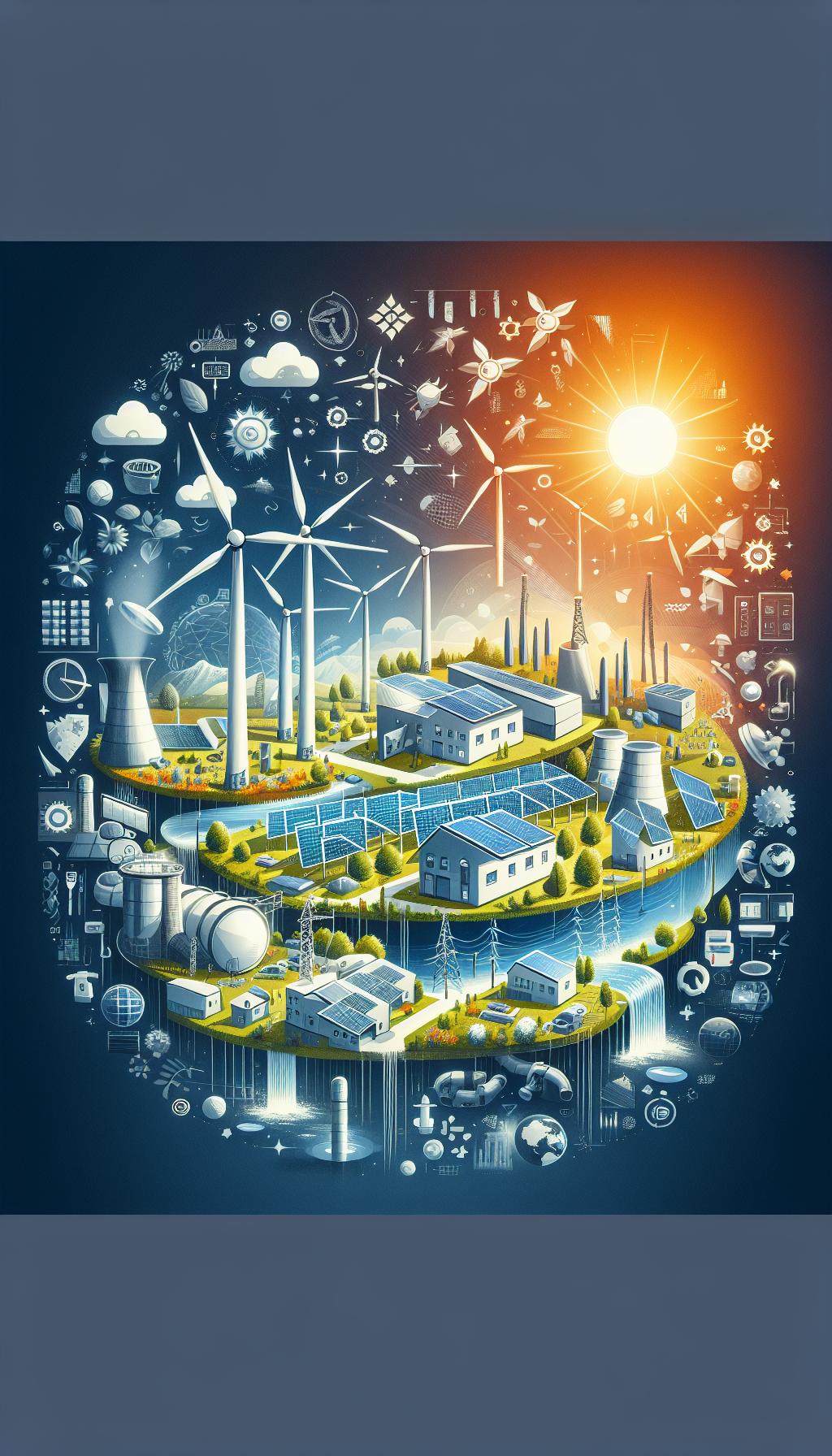
The Manufacturing Process: Energy Inputs and Environmental Impact
The manufacturing of wind turbines is a complex process that significantly influences their environmental impact, predominantly concerning energy inputs. While it’s true that fossil fuels have historically powered many phases of this manufacturing, the landscape is changing rapidly. In 2020 alone, the wind energy sector accounted for about 7% of global electricity production, yet the energy sources for turbine manufacturing remain a topic of scrutiny among environmental advocates and policymakers alike.
One of the most energy-intensive aspects of wind turbine production involves the creation of key materials, such as steel and fiberglass. The manufacturing of these materials typically relies on fossil fuel energy. Specifically, the intense heat required to smelt iron ore into steel is often derived from coal and natural gas. Additionally, the transportation of giant components – such as turbine blades and tower sections – to wind farm sites requires substantial energy, further intertwining the wind industry with fossil fuel consumption. However, this is evolving, as more manufacturers are searching for greener alternatives. There’s an increasing trend towards integrating renewable energy sources, like solar and wind power, into the manufacturing process.
Innovative Practices in Sustainable Manufacturing
Manufacturers are not only rethinking energy sources but also exploring innovations to improve efficiency and reduce the carbon footprint. Some companies are beginning to implement closed-loop systems, where waste materials from turbine production are reused, minimizing raw material consumption and lowering emissions. Furthermore, energy recovery systems are being incorporated into manufacturing facilities, allowing excess heat or kinetic energy from machinery to be harnessed and redirected for operational use.
A notable example of these advancements can be seen in the efforts of major wind turbine producers such as Siemens Gamesa and GE Renewable Energy. Both companies have committed to achieving carbon neutrality in their manufacturing processes by the year 2030. By investing in renewable energy technology to power their factories and redesigning material inputs, they exemplify the shift toward a more sustainable wind energy sector.
Ultimately, the transition toward renewable energy in wind turbine manufacturing illustrates a promising path forward. Increasing awareness and technological breakthroughs in this field make it possible to reduce reliance on fossil fuels significantly while promoting a cleaner, more sustainable energy future. As individuals and communities engage with this topic, it’s essential to recognize that the potential for a fossil-free wind energy sector is not just a dream but an achievable goal through commitment and innovation.
Renewable vs. Non-Renewable Energy in Wind Turbine Production
The production of wind turbines is squarely at the intersection of renewable and non-renewable energy sources. While the eventual energy produced by wind turbines is clean and sustainable, the journey from raw materials to operational turbine often entails significant reliance on fossil fuels. This complexity leads to important questions about the sustainability of wind energy and its impact on the environmental landscape.
A significant portion of the energy-intensive process of manufacturing wind turbines is linked to the creation of essential materials such as steel and fiberglass. These materials are vital for constructing the structural components of turbines. Historically, their production has depended primarily on fossil fuels; for example, the smelting of iron ore into steel typically requires high temperatures achieved through burning coal or natural gas. Therefore, even though the operational phase of wind turbines generates zero emissions, the initial stages of production can carry a notable carbon footprint.
However, the industry is actively evolving. Many manufacturers are now exploring innovative practices to shift from fossil fuel reliance to incorporating renewable energy sources into their production cycles. Some companies are beginning to harness solar and wind energy to power their manufacturing facilities. This transition not only mitigates the environmental impact of turbine production but also aligns with global sustainability goals. Additionally, advancements in technology have led to improved energy efficiency within manufacturing processes, thereby reducing overall energy consumption and enhancing sustainability.
As more businesses within the wind energy sector commit to reducing their fossil fuel reliance, real-world examples illustrate the potential for completely sustainable manufacturing. Companies like Siemens Gamesa and GE Renewable Energy have made pledges to achieve carbon neutrality by 2030, indicating a significant shift toward cleaner production methods. By prioritizing renewable energy and innovative material sourcing, these leaders demonstrate that a future founded on sustainable wind energy production is not just a possibility-it’s within reach.
Lifecycle Analysis: Fossil Fuels in Wind Turbine Operation
The true impact of wind turbines on fossil fuel consumption extends far beyond their operational phase. While these structures generate clean energy during their lifespan, the analysis of their entire lifecycle reveals a nuanced interplay with fossil fuels, especially in the stages of manufacturing, transportation, installation, and decommissioning. Understanding this relationship can guide policymakers, environmentalists, and consumers toward enhancing sustainability in renewable energy technology.
A comprehensive lifecycle assessment (LCA) considers various stages, starting with raw material extraction and production. For instance, the production of primary materials like steel and concrete necessitates significant energy inputs, traditionally sourced from fossil fuel combustion. Even though the turbines themselves do not emit greenhouse gases during operation, the carbon footprint from their manufacturing can be substantial. Studies indicate that the manufacturing phase can contribute approximately 20-30% of the total emissions associated with the lifecycle of wind energy systems.
Moreover, the transportation and installation of turbines further embed fossil fuel use into the equation. Heavy machinery powered by diesel is often required to transport large turbine components, completing a process that inherently relies on non-renewable energy. Interestingly, advancements in logistics and the increase in local production capacity are promising pathways toward reducing this dependency. Encouragingly, companies are exploring electric or hybrid transportation methods, minimizing their reliance on fossil fuels during installation.
Finally, decommissioning wind turbines presents another point of consideration. The recycling of materials employed in turbine construction can significantly mitigate environmental impacts. Innovative approaches to recycling blades, once seen as a problematic waste stream, are emerging, allowing for the reduction of fossil fuels used in disposal methods, aligning with a sustainability-centric lifecycle approach.
By understanding and addressing the fossil fuel dependence throughout the lifecycle of wind turbines, stakeholders can work toward minimizing energy input from non-renewable sources. This information empowers individuals and organizations to advocate for improved technologies and more robust policies that enhance the sustainability of wind energy systems, bridging the gap between renewable potential and fossil fuel reality.
Myths and Facts: Debunking Fossil Fuel Misconceptions
Wind turbines are often caught in a whirlwind of misconceptions, especially regarding their reliance on fossil fuels. It’s a common belief that, simply because fossil fuels are utilized during the manufacturing and installation phases, this means turbines themselves inherently depend on these energy sources throughout their operational lives. In reality, the clean energy generated by wind turbines significantly offsets these initial inputs, offering a clear path toward sustainability.
One prevalent myth is that wind energy production is heavily tainted by fossil fuel use, particularly in relation to emissions. While it’s true that the production of materials like steel and concrete consumes energy-often from fossil fuels-it’s crucial to contextualize this within the broader picture. Wind turbines, during operation, generate electricity without emitting greenhouse gases. Numerous studies highlight that over a wind turbine’s operational lifetime, the carbon savings vastly outweigh the emissions incurred during manufacturing and installation, positioning wind energy as a pivotal solution in combating climate change.
Another common misconception is that the logistics involved in transporting turbine parts inherently chains the industry to fossil fuels. While traditional methods have relied on diesel-powered machinery, innovations in transportation are transforming this narrative. Companies are increasingly adopting electric and hybrid transport solutions, striving to significantly reduce the carbon footprint associated with getting these turbines into place. This not only reduces reliance on fossil fuels but also showcases the industry’s commitment to sustainability.
In terms of lifecycle analysis, it’s vital to understand the principles of recycling and waste management in the wind energy sector. The misconception that wind turbine decommissioning is an environmental burden is steadily being overturned. Many companies are pioneering methods to recycle turbine blades and components, thus minimizing waste and fossil fuel consumption further. Advancements in material science mean that turbine blades can now be repurposed or recycled, which diminishes the need for fossil fuel-intensive disposal methods.
By addressing these myths with facts and highlighting the continuous improvements in technology and processes, we can see a clearer path forward. Wind energy not only offers a significant reduction in greenhouse gas emissions but is also committed to evolving in ways that prioritize sustainability right from the manufacturing stage through to decommissioning. Recognizing and discussing these aspects can empower individuals, businesses, and policymakers to make informed decisions as they navigate the complexities of renewable energy options.
The Role of Energy Efficiency in Wind Turbine Operation
Efficiency is the cornerstone of maximizing the output of wind turbines while minimizing their reliance on fossil fuels throughout their lifecycle. It’s often overlooked that energy efficiency not only enhances the operational performance of wind turbines but also significantly reduces their carbon footprint and overall environmental impact. To put this into perspective, a well-optimized wind turbine can generate over 50% more energy over its lifetime compared to those that are poorly operated or maintained.
A vital aspect of energy efficiency in wind turbine operation is the integration of advanced technology that optimizes performance. For instance, the implementation of smart grid technology allows for real-time monitoring and predictive maintenance, ensuring that turbines operate at peak efficiency. This monitoring can alert operators to mechanical issues before they escalate, reducing downtime and energy loss. Additionally, innovations such as variable pitch control, which adjusts the angle of the turbine blades based on wind conditions, enable turbines to capture maximum energy without overstressing the machinery. These advancements illustrate how technology can contribute to greater efficiency and less dependency on non-renewable energy sources.
Best Practices for Enhancing Energy Efficiency
Achieving a high level of energy efficiency in wind turbine operations requires a multifaceted approach. Here are some best practices:
- Regular Maintenance: Scheduled inspections and maintenance can identify potential issues early, ensuring turbines operate efficiently.
- Optimized Sitings: Careful consideration of turbine placement can enhance energy production by taking advantage of prevailing winds and reducing turbulence.
- Upgrading Components: Investing in high-efficiency gearboxes and generators can lead to better energy conversion rates.
- Educational Programs: Training operators on the best practices and technology updates enhances overall effectiveness.
Ultimately, energy efficiency is a critical factor in dispelling the notion that wind energy relies heavily on fossil fuels. By focusing on optimizing the performance of wind turbines, the industry can demonstrate its capacity to produce clean energy efficiently. As operators and stakeholders adopt these practices, they not only promote sustainability but also pave the way for a future where wind turbines can operate with minimal environmental impact, reinforcing the role of wind energy as a key player in the global transition to renewable sources.
Government Policies Influencing Wind Energy Sustainability
Government policies play a critical role in shaping the landscape of wind energy sustainability, and their impact can vastly influence how wind turbines operate and integrate into our energy systems. As global awareness around climate change intensifies, effective regulations and incentives can drive the transition towards cleaner energy sources and mitigate the reliance on fossil fuels in the wind energy sector. For instance, countries that prioritize renewable energy may adopt feed-in tariffs or tax credits that encourage investments in wind projects, increasing deployment and funding for innovative technologies.
A successful example can be seen in Denmark, where government policies have established ambitious renewable energy targets, supporting the development of wind power through favorable regulations and financial incentives. These initiatives not only helped Denmark become a global leader in wind energy but also demonstrate how targeted policies can enhance energy independence and reduce carbon emissions. Similarly, many regions in the United States and Europe offer renewable energy credits that incentivize the production of wind energy, allowing operators to receive financial benefits for every unit of electricity generated from renewable sources.
Furthermore, government investments in research and development are essential for fostering technological advancements in wind energy. Initiatives that fund clean energy research have led to significant breakthroughs, such as innovations in turbine design and energy storage solutions, improving efficiency and reducing costs. Collaborative efforts involving public and private sectors can streamline technological progress and facilitate the creation of a robust supply chain that minimizes reliance on fossil fuels.
To maximize the impact of these policies, stakeholder engagement is key. Communities, industry experts, and policymakers must collaborate to ensure that local concerns and environmental considerations are addressed. This approach not only strengthens support for renewable projects but also empowers communities to embrace clean energy initiatives, ensuring a sustainable path forward for wind energy. By leveraging effective policies and collaborative strategies, we can transition to a cleaner energy future that significantly decreases our dependence on fossil fuels while promoting sustainability and innovation across the wind power sector.
Innovations in Clean Energy for Wind Turbine Development
Cutting-edge advancements in clean energy technology are revolutionizing the wind turbine industry, making it possible to harness wind power more efficiently and sustainably than ever before. One thrilling development is the introduction of advanced materials, such as lightweight composite blades. These materials not only enhance the durability and efficiency of turbines but also allow for the construction of larger blades that capture more wind energy-thus producing more electricity. For example, companies like Siemens Gamesa are pioneering the production of turbines with blades over 80 meters long, which can significantly increase energy output while minimizing the ecological footprint related to materials used.
Innovations are not limited to the turbines themselves; they extend to the entire wind energy ecosystem. The integration of smart technology, such as IoT (Internet of Things)-enabled sensors, is another major trend shaking up traditional wind energy production. These sensors monitor real-time data on wind conditions and turbine performance, enabling predictive maintenance that reduces downtime and enhances operational efficiency. By anticipating potential failures before they occur, operators can significantly lower repair costs and avoid energy loss, which ultimately contributes to a more sustainable energy lifecycle.
Furthermore, the evolution of energy storage solutions is reshaping how we think about wind energy. As wind power generation can be intermittent, innovations in battery technology are allowing for better energy storage. High-capacity lithium-ion batteries and next-generation solid-state batteries provide a promising path toward storing excess energy generated during peak wind periods for use during lower production times. This advancement not only stabilizes the power supply but also maximizes the usability of wind energy, allowing it to compete more effectively with traditional energy sources.
As the world strives for cleaner energy solutions, these innovations position wind power at the forefront of the energy transition. By embracing these advancements-both in turbine design and in associated technologies-stakeholders can further reduce reliance on fossil fuels and foster a sustainable energy future. The vision of a decarbonized world powered by renewable energy sources like wind is not just a dream; it is becoming an achievable reality driven by ingenuity and collaboration.
Comparing Wind Energy with Other Energy Sources
Wind energy stands out not just for its environmental benefits but also for its distinct advantages when compared to traditional energy sources. For instance, while fossil fuels-such as coal, oil, and natural gas-are inherently finite and release greenhouse gases that contribute to climate change, wind energy is a renewable source that harnesses the natural power of the wind without harmful emissions. According to the U.S. Department of Energy, the lifecycle emissions from wind power are minimal compared to even the cleanest fossil fuel technologies, showcasing wind energy’s potential in combating climate change.
In assessing energy options, it’s critical to consider both the operational and production phases of energy generation. Wind turbines, after their construction, operate with virtually no fuel costs, making their electricity generation predictable over decades. In contrast, fossil fuel prices are volatile and often lead to unpredictable costs for consumers and businesses alike. As an example, countries heavily reliant on oil imports can find their economies destabilized by fluctuating fossil fuel prices, whereas nations investing in wind energy can mitigate these risks through stable energy costs.
Advantages of Wind Energy over Fossil Fuels
- Environmental Impact: Wind energy produces no emissions during operation, directly reducing air pollution and contributing to cleaner air.
- Renewable Resource: Wind is inexhaustible and can be harnessed almost anywhere, unlike finite fossil fuels.
- Job Creation: The wind energy sector creates jobs in manufacturing, installation, and maintenance at generally higher wages than fossil fuel industries.
- Energy Independence: By investing in local wind resources, countries can reduce their dependence on imported fuels, enhancing energy security.
However, it is also important to recognize that wind energy is not without its challenges. The intermittent nature of wind can result in energy supply fluctuations, which demand more flexible energy systems and enhanced storage technologies to maintain reliability. Innovations in battery storage and grid management are addressing these challenges, allowing for greater utilization of wind energy alongside other sources. As technology continues to evolve, wind energy’s role in a balanced energy portfolio will only strengthen, making it an increasingly viable alternative to fossil fuels as the global energy landscape transforms.
Real-World Examples: Success Stories of Fossil-Free Wind Energy
The transition towards wind energy has witnessed remarkable success stories that exemplify its potential as a viable, fossil-free alternative to traditional power generation. One prime example is Denmark, which has established itself as a leader in wind energy production. In 2020, wind turbines generated 47% of the country’s total electricity consumption, largely due to advancements in turbine technology and robust governmental support. The nation aims to achieve a 70% reduction in greenhouse gas emissions by 2030, and its commitment to wind energy plays a crucial role in this ambition. Denmark’s success showcases how a strategic approach to renewable energy can lead to sustainability and energy independence.
Another significant case is Texas, which boasts the largest installed capacity of wind power in the United States. By 2022, Texas produced nearly a quarter of its electricity from wind, a feat achieved through favorable policies, investments in infrastructure, and the presence of strong wind resources. The state’s increasing reliance on wind energy has not only diversified its energy portfolio but also created thousands of jobs in manufacturing, installation, and maintenance. Texas illustrates that with the right policies and investments, fossil-free wind energy can enhance energy security and bolster the economy.
Moreover, countries like Germany have implemented the Energiewende (energy transition) policy, which emphasizes a shift away from nuclear and fossil fuels towards renewable energy sources, particularly wind and solar. In 2021, wind energy accounted for approximately 27% of Germany’s total electricity consumption. The policy has spurred technological innovation and has made the country a hub for renewable energy expertise, exporting knowledge and technology to other nations. Germany’s transition highlights the potential global impact of local wind energy initiatives driven by government policies and public support.
These examples not only debunk the myth that wind energy is heavily reliant on fossil fuels but also illustrate the transformative power of investing in renewable resources. Countries at the forefront of wind energy demonstrate that it is possible to achieve substantial reductions in reliance on fossil fuels while fostering economic growth, creating jobs, and promoting environmental sustainability. As more regions adopt similar strategies, the trajectory towards a cleaner, fossil-free energy future looks increasingly promising.
Future Trends: Advancements in Sustainable Wind Technology
The wind energy sector is on the brink of a technological revolution, with advancements geared towards sustainability and efficiency taking center stage. One of the most exciting trends involves the development of larger and more efficient wind turbines. Modern turbines are now being designed with taller towers and longer blades, which allow them to harness more wind energy even at lower wind speeds. For example, innovations in blade materials, such as lighter composites, enable these turbines to capture energy more effectively and reduce the wear and tear commonly associated with traditional materials.
Harnessing Data and AI
Additionally, the integration of data analytics and artificial intelligence is reshaping how wind farms operate. By utilizing real-time data collection and advanced algorithms, operators can optimize turbine performance and maintenance schedules, significantly reducing downtime. Predictive maintenance systems can foresee potential failures before they occur, ensuring that turbines operate at peak efficiency and extend their lifespan. This data-centric approach not only improves energy output but also minimizes the reliance on fossil fuels throughout the operational lifecycle.
Offshore Wind Energy Expansion
The future of wind energy also lies in the vast, untapped potential of offshore wind farms. Countries like the United States and the United Kingdom are investing heavily in offshore projects, which have the advantage of stronger and more consistent wind resources compared to their onshore counterparts. These developments promise to create vast networks of turbines that produce substantial amounts of electricity while minimizing land use and ecological disruption. For instance, the UK’s planned offshore wind farms aim to generate as much as 40 gigawatts of power by 2030, a significant step towards reducing carbon emissions.
Emphasis on Sustainable Materials
Moreover, there’s a growing emphasis on sustainability in the materials used for wind turbine production. Researchers are exploring biodegradable composites and other sustainable alternatives to traditional materials, which often have a significant carbon footprint associated with their lifecycle. Initiatives to recycle turbine blades after their operational life are gaining traction, with companies developing processes to turn these blades into new products, further minimizing environmental impact.
As communities and nations prioritize cleaner energy solutions, the evolution of wind technology is not just a transition; it’s a full-scale transformation. By embracing these advancements, we can move towards a future where wind energy is not only a primary source of power but also a leading example of how industries can operate sustainably without relying on fossil fuel inputs. The collective impact of these advancements could pave the way for a cleaner and more resilient energy future, embodying the very principles of sustainability and innovation that define today’s renewable energy movement.
Frequently Asked Questions
Q: Do wind turbines use fossil fuels to operate?
A: Wind turbines do not use fossil fuels during energy production; they harness wind energy to generate electricity. However, fossil fuels may be used in the manufacturing and transportation of turbine components.
Q: What is the environmental impact of wind turbines?
A: Wind turbines have a considerably lower environmental impact compared to fossil fuel sources. They help reduce greenhouse gas emissions and reliance on non-renewable energy. However, impacts include land use and effects on wildlife, which must be managed responsibly.
Q: How are wind turbines made without fossil fuels?
A: While the construction of wind turbines can involve fossil fuels, many materials, like steel and fiberglass, are increasingly produced using renewable energy sources. The focus is shifting towards sustainable manufacturing practices to minimize overall carbon footprints.
Q: Can wind energy be produced without fossil fuels?
A: Yes, wind energy is produced entirely from natural wind movements and requires no fossil fuels during generation. This makes it a clean and renewable energy source, contributing to a reduction in carbon emissions and pollution.
Q: Are there alternatives to fossil fuels for wind energy?
A: Alternatives to fossil fuels include renewable energy sources like hydroelectric, solar, and biomass energy for manufacturing and transporting wind turbines. The goal is to create a sustainable supply chain that minimizes carbon footprints throughout the lifecycle.
Q: What are the benefits of using wind energy over fossil fuels?
A: Wind energy provides multiple benefits compared to fossil fuels, including reduced greenhouse gas emissions, lower air pollution, and sustainable resource use. It also contributes to energy independence and job creation in the renewable sector.
Q: How do wind turbines contribute to energy sustainability?
A: Wind turbines contribute to energy sustainability by providing a continuous supply of clean energy. They help diversify energy portfolios and reduce dependence on fossil fuels, promoting a healthier environment and supporting the transition to a low-carbon economy.
Q: Are wind farms more efficient than fossil fuel plants?
A: Wind farms can be more efficient over time compared to fossil fuel plants, especially when considering lifecycle emissions. They produce energy without direct emissions, reducing overall environmental harm, though they depend on consistent wind patterns for optimal efficiency.
In Conclusion
In conclusion, while wind turbines are a clean energy source, it’s important to understand the context of their energy production. They do not rely on fossil fuels for operation once installed, but fossil fuels may be used during their manufacturing and installation phases. If you’re keen to delve deeper into sustainable energy solutions, consider exploring our resources on solar energy benefits and the impact of energy efficiency upgrades on reducing your carbon footprint.
Don’t miss out on the latest insights-subscribe to our newsletter for expert tips and updates on renewable energy advancements. Have questions or opinions? We encourage you to comment below! Your engagement not only enriches our community but also helps us provide the content you care about. Remember, every action towards understanding and supporting clean energy counts, and together, we can make a difference!