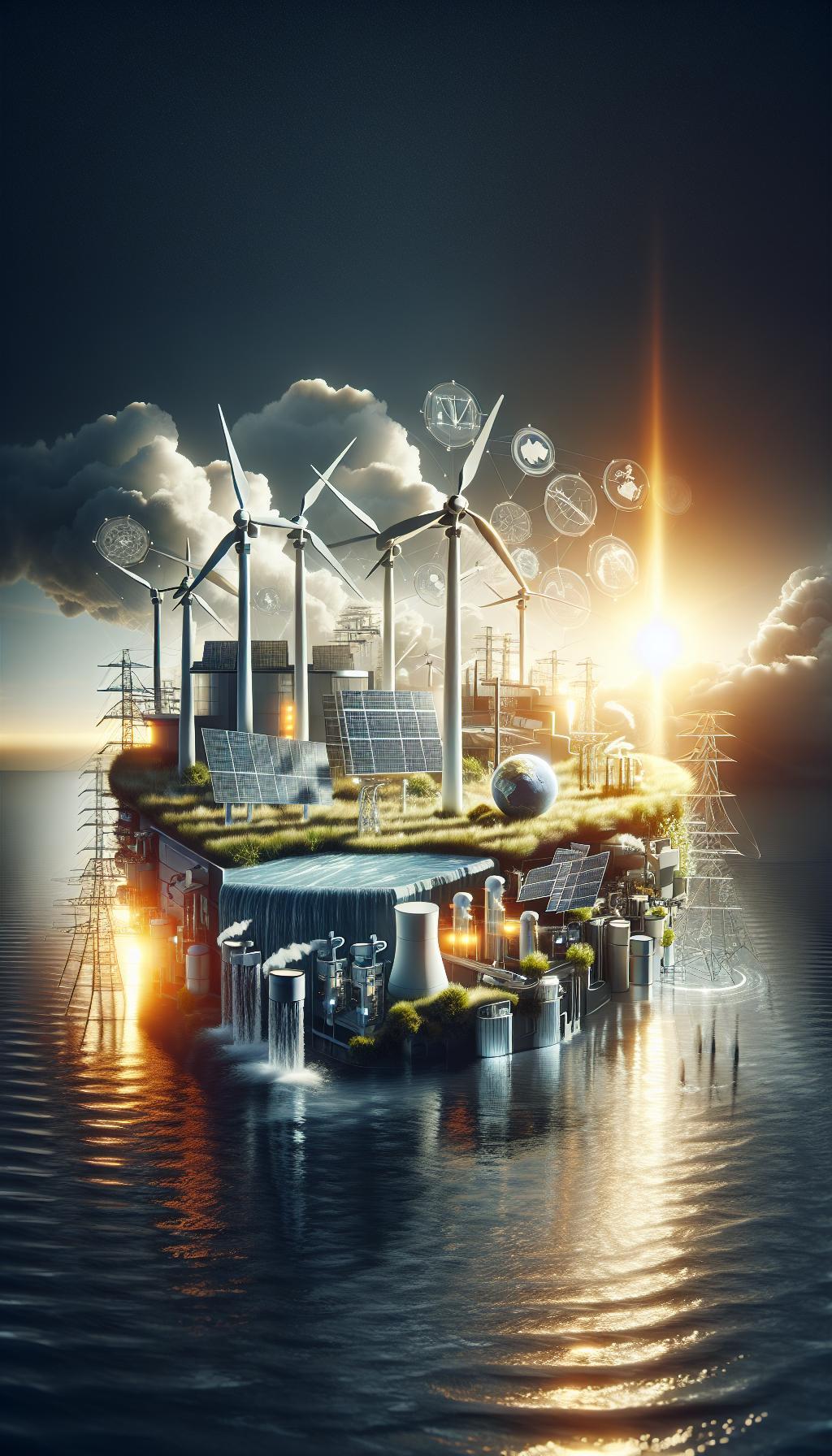
Wind power is hailed as a key player in the transition to sustainable energy, yet it comes with significant challenges that can impede its effectiveness. For instance, while wind energy reduces carbon emissions and reliance on fossil fuels, issues such as intermittency, impact on wildlife, and land-use concerns raise valid questions about its feasibility.
As a reader concerned about the environment and energy solutions, you may wonder how these drawbacks affect the broader goal of a sustainable future. This exploration delves into the specific challenges associated with wind power and presents actionable solutions aimed at overcoming them. Discover not only the hurdles but also the innovative strategies that can enhance the viability of wind energy, making it a reliable option for homeowners and industries alike. Stay tuned to learn how we can transform these challenges into stepping stones for a greener tomorrow.
Significant Challenges Facing Wind Power Today
Wind power is often lauded for its potential to provide clean, renewable energy, yet several significant challenges must be addressed to maximize its efficacy and integration into our energy systems. One major hurdle is the inconsistency of wind energy production, as output fluctuates based on weather conditions and geographic locations. This intermittency can compromise grid stability and energy supply, necessitating advancements in energy storage solutions and grid management technologies to ensure a reliable power supply.
Another challenge lies in the environmental impacts associated with wind energy development. While wind turbines produce no emissions during operation, their construction and presence can affect local wildlife and ecosystems. It’s crucial for developers to conduct thorough environmental assessments and implement strategies that minimize disruption to local habitats. Solutions such as siting turbines away from migration paths and using technology that reduces bird and bat fatalities are essential for reconciling the benefits of wind energy with its ecological footprint.
Financial barriers also pose challenges. Although the costs of wind energy technologies have decreased significantly, initial investments in wind farms can still be substantial, deterring potential developers. Innovative financing models and government incentives can stimulate investment and facilitate broader adoption. Community engagement is vital here; fostering local support can lead to more favorable conditions for project approval and implementation. Educational programs that inform the public about the benefits of wind energy can help alleviate concerns and build enthusiasm for new projects.
Lastly, regulatory hurdles can complicate the development of wind power projects, as navigating complex permitting processes can delay implementation. Streamlining these regulations and creating more uniform standards can expedite the adoption of wind energy. By focusing on collaboration between stakeholders-governments, developers, and communities-efforts can be made to create an environment where wind energy can thrive, ushering in a more sustainable and resilient energy future.
Environmental Impacts: Balancing Benefits and Costs
The rapid expansion of wind power generation is a promising avenue for reducing our reliance on fossil fuels, yet it is not without its environmental consequences. While the operation of wind turbines produces no direct emissions, the lifecycle of wind energy-from the manufacturing of turbine components to the installation and eventual decommissioning-can have significant ecological impacts. Understanding and mitigating these effects is essential for balancing the benefits of renewable energy with the preservation of biodiversity and the integrity of local ecosystems.
To minimize environmental disruptions, developers must perform comprehensive environmental assessments prior to commencing wind farm projects. These assessments should evaluate potential impacts on wildlife, including avian and bat species that may be affected by turbine blades. Innovative technologies such as radar systems and sonar detection can be employed to monitor wildlife movements and avert collisions. Additionally, strategically siting turbines away from sensitive habitats, such as migration paths or nesting areas, can greatly reduce the ecological footprint of wind farms.
- Key Strategies for Minimizing Environmental Impact:
- Conduct thorough environmental impact assessments.
- Implement wildlife monitoring technology.
- Choose turbine locations that avoid critical habitats.
- Engage local communities in the planning process.
Moreover, the problem of noise pollution from wind turbines can also affect surrounding communities. This underscores the importance of involving local populations in discussions about wind energy projects. By understanding local concerns and addressing them directly, developers can foster a more positive relationship with residents, facilitating smoother project implementation.
As we move forward, it is crucial to not only focus on the cost efficiency of wind power but also on its environmental stewardship. Emphasizing best practices in turbine placement, site management, and community engagement will ultimately help create a sustainable model that enhances both the energy sector and the natural ecosystems it intersects with. As we champion wind energy’s potential, balancing cost with ecological responsibility becomes not just a choice, but a necessity for a sustainable future.
Technological Limitations: Innovations on the Horizon
The quest for more efficient and sustainable wind power generation faces a formidable challenge in technological limitations. Despite significant advancements in turbine designs and energy capture techniques, existing technologies still struggle with efficiency in varying wind conditions and spatially constrained locations. One of the most promising innovations on the horizon lies in the development of floating wind turbines. Unlike traditional fixed-bottom turbines, these can be deployed in deeper waters where winds are often stronger and more consistent, drastically expanding the potential for wind energy generation.
Furthermore, researchers are actively exploring enhanced turbine materials that allow for larger rotor blades without increasing weight. Advanced composites, such as carbon fiber, are being integrated to improve durability while maximizing energy capture capability even in low-wind scenarios. This approach not only boosts the efficiency of energy generation but also reduces maintenance costs associated with frequent repairs of heavier materials under harsh conditions.
- Key Innovations in Wind Technology:
- Floating Wind Farms: Expanding access to offshore resources.
- Lightweight Materials: Increasing blade size and efficiency.
- Smart Grids: Enhancing energy distribution and storage capabilities.
- Vertical-Axis Turbines: Adapting to urban environments with less wind obstruction.
With the rise of smart grid technology, which incorporates artificial intelligence and machine learning algorithms, the integration of wind energy into larger energy systems is becoming increasingly manageable. These technologies enable better forecasting of energy output based on real-time wind conditions, allowing grid operators to optimize energy distribution across multiple sources. As this sector continues to innovate, it harnesses not only better materials and designs but also cutting-edge digital solutions that promise to address intermittency issues and enhance the overall sustainability of wind power.
Addressing these technological limitations requires cooperation among industry stakeholders, researchers, and policymakers to ensure that these innovations are supported and implemented effectively. By remaining informed and engaged in these developments, everyone from energy consumers to professionals in the field can play a role in shaping the future of wind energy, ultimately fostering a more sustainable and resilient energy landscape.
Financial Barriers: Cost Analysis and Solutions
The financial landscape for wind power is complex, compounded by high initial investment costs and fluctuating operational expenses. As of recent evaluations, the estimated cost of installing onshore wind energy systems has dropped significantly, averaging around $1,500 to $3,000 per installed kilowatt depending on location and project specifics. However, this remains a substantial barrier for many potential investors, particularly small-scale developers or households looking to adopt wind energy solutions. The capital-intensive nature of wind farms, combined with the long return on investment (ROI) timelines, makes financial backing difficult to secure without substantial incentives or reductions in upfront costs.
To mitigate these financial hurdles, several strategies can be employed. Firstly, expanding government incentives, such as tax credits and grants, can substantially lower the burden on investors. For instance, the Investment Tax Credit (ITC) allows for a significant percentage deduction off the total cost of wind projects, which can effectively bolster financial viability. Additionally, states are increasingly offering PPA (Power Purchase Agreements) incentives, which provide predictable cash flows based on long-term electricity sales contracts. These agreements can enhance accessibility to financing as they offer tangible revenue predictions.
Innovative financing models are also gaining traction, including community wind projects. These allow local groups or cooperatives to collectively invest in wind energy systems, thus spreading the financial risk while simultaneously fostering community support and ownership. Moreover, crowdfunding platforms are emerging as viable means for smaller wind projects to gather financial backing from a diverse group of investors, making it easier to fund initiatives that may have otherwise struggled to attract traditional financing.
Lastly, it’s essential to recognize the potential of technological advancements leading to cost reductions over time. As technologies evolve and become more efficient, the overall cost of wind energy generation continues to fall. Combining this with the decreasing costs of energy storage solutions ensures that the financial model for wind energy becomes increasingly attractive. By remaining aware of these emerging trends and leveraging available financial tools and strategies, individuals and organizations alike can navigate the financial barriers to wind energy adoption, paving the way for a greener future.
Regulatory Hurdles: Navigating Policy Obstacles
Navigating the regulatory landscape for wind power can be daunting, yet it is essential for the successful deployment and operation of wind energy projects. Policies and regulations often vary significantly across regions, creating a complex environment for developers and investors. Understanding these regulations is critical, as they can impact the feasibility, timeline, and ultimate success of wind energy development.
Many wind power projects encounter challenges such as lengthy permitting processes and zoning restrictions. These regulatory hurdles are often influenced by local, state, and federal laws that aim to balance renewable energy development with concerns over environmental impacts and community interests. Developers should conduct thorough research into the specific requirements applicable in their area, including environmental assessments and stakeholder consultations, to avoid delays. Engaging with local authorities early in the planning process can facilitate smoother permitting and enhance community relations.
Another prominent regulatory concern is the integration of wind energy with existing energy grids. While many governments support renewable sources, they may lack the necessary infrastructure or policies to accommodate wind energy’s unpredictable nature. Developers can work directly with utility companies and regulatory bodies to advocate for grid upgrades and supportive policies that will enhance the reliability and efficiency of wind energy integration. As a part of this effort, establishing Power Purchase Agreements (PPAs) can provide financial certainty and encourage grid operators to invest in the necessary infrastructure.
In addition, participating in policy advocacy groups can empower stakeholders to influence renewable energy policy positively. By joining coalitions, developers can voice concerns over regulatory obstacles and push for reforms that ease restrictions for future wind projects. This collective effort can lead to more supportive policy frameworks that recognize the benefits of renewable energy, fostering a path for more sustainable investments.
In summary, while navigating regulatory hurdles presents challenges, proactive engagement with local authorities, advocacy for policy reforms, and collaboration with utility companies can significantly streamline the process. By equipping themselves with knowledge and connections, wind energy stakeholders can successfully address these obstacles, paving the way for a more sustainable and renewable energy future.
Spatial Constraints: Addressing Land Use Challenges
Wind energy is a clean and sustainable power source, but one of its significant hurdles lies in land use and spatial constraints. The successful implementation of wind power projects often requires access to large tracts of land, which can pose a challenge in densely populated or economically active areas. According to various studies, wind farms need specific conditions, such as uninhabited areas and optimal wind speeds, which can lead to geographic limitations in suitable locations for turbines. As a result, developers and stakeholders must navigate the complex interplay between land availability and the needs of local communities.
To address these spatial constraints effectively, engaging in thorough planning and community involvement is crucial. Developers should consider a few essential strategies:
- Site Assessment: Conducting detailed assessments helps identify exclusive areas where wind turbine installations are most viable. Utilizing geographical information systems (GIS) can aid in analyzing wind patterns, land use, and proximity to infrastructure, ensuring that projects are situated optimally.
- Collaboration with Landowners: Approaching landowners for potential agreements can facilitate access to underutilized spaces, such as agricultural land that can co-exist with wind farms. For example, farmers can often benefit financially by leasing their land for wind installations while continuing their agricultural activities.
- Dual Land Use: Looking into dual-use scenarios, where agricultural and wind energy production coexist, can offer solutions. Innovative practices such as grazing livestock under rotor blades not only maximize land value but also help mitigate concerns about land congestion.
- Community Engagement: Building partnerships with local communities through education and participation can alleviate resistance. Informing residents about the benefits of wind energy, such as economic opportunities and environmental sustainability, can foster local support for projects.
An inspiring example of overcoming spatial challenges is the implementation of offshore wind farms, where land constraints are less intrusive. Countries like Denmark and the UK have successfully developed extensive offshore wind installations, harnessing vast areas of ocean space to produce substantial amounts of clean energy, thereby minimizing conflicts with land use while capitalizing on high and consistent wind speeds.
By prioritizing strategic planning, community collaboration, and innovative land use models, stakeholders can navigate the spatial constraints associated with wind power development effectively. These concerted efforts not only promote the expansion of wind energy but also contribute to local economic growth and sustainable land management practices.
Community Resistance: Building Public Support
Public perception plays a crucial role in the success of wind power projects, often determining whether proposed installations advance or falter. Community resistance can stem from various concerns, including noise, visual impact, and potential disruptions to local wildlife. To effectively build public support, it’s essential for developers and stakeholders to adopt strategies that prioritize transparency, education, and genuine community involvement.
Engaging local residents early in the planning process can significantly mitigate objections and foster a sense of ownership over the projects. By organizing informational sessions and open forums, developers can share key details about how wind energy benefits not only the environment but also the local economy. Highlighting potential job creation, investment opportunities, and improved energy independence can shift public sentiment. For instance, a wind farm project in a rural community might demonstrate how lease agreements can provide farmers with supplemental income, thereby making the concept more appealing.
Furthermore, addressing specific community concerns head-on is vital. This can include tailored solutions, such as modifying turbine placement to reduce visual or noise impacts, or implementing measures to protect local wildlife. Utilization of local resources to assess community sentiment through surveys or studies can also promote trust between developers and residents. Presenting research that shows the environmental benefits of wind energy, alongside any measures taken to minimize impact, can enhance credibility and dispel myths that may contribute to resistance.
Ultimately, building public support for wind energy requires a commitment to open communication and respect for community values. By creating partnerships that prioritize the needs and voices of local residents, projects can not only mitigate resistance but also pave the way for successful and sustainable wind power initiatives that benefit everyone involved.
Intermittency Issues: Solutions for Consistent Energy Supply
The reliance on wind energy confronts a significant challenge: its inherent intermittency. Unlike fossil fuels, wind power cannot guarantee a consistent output, as energy generation fluctuates with wind conditions, leading to periods of insufficient supply. This variability can strain existing energy grids and impact reliability. However, innovative strategies are paving the way for a more stable and resilient wind energy system.
To address this intermittency, energy storage solutions are gaining momentum. Technologies such as lithium-ion batteries, pumped hydro storage, and emerging options like hydrogen storage can capture excess energy produced during windy periods and release it during low production times. For instance, the Hornsdale Power Reserve in South Australia utilizes large-scale battery systems to provide grid stability, demonstrating how innovative storage can balance wind energy’s output. Enhanced battery efficiency not only allows for longer storage durations but also facilitates quicker response times, which is crucial for managing fluctuations.
In addition to storage, integrating wind power with other renewable sources, such as solar energy, can create a more balanced energy mix. By diversifying energy sources, periods of low wind conditions may coincide with higher solar output, collectively providing a more reliable energy supply. Furthermore, advances in smart grid technology allow for real-time data analysis and demand management, optimizing energy distribution based on availability. For example, demand response programs enable utilities to adjust consumption patterns, decreasing reliance during peak times when wind energy may be low.
Policy frameworks also play a critical role in mitigating the effects of intermittency. Incentives for research and development in advanced grid technologies, smart meters, and energy management systems can help create a resilient energy environment. Governments can facilitate collaborative efforts among utilities, storage providers, and renewable energy developers to enhance system integration and reliability. Ultimately, by leveraging technological advancements and supportive policies, the challenges posed by wind power intermittency can be effectively addressed, leading to a cleaner and more stable energy future.
Integration with Other Energy Sources
The future of clean energy hinges on the ability to harmonize various energy sources into a cohesive system. Integrating wind power with other renewable energy sources like solar, hydro, and geothermal can significantly bolster energy reliability and stability. For example, while wind production peaks during specific weather conditions, solar energy can often complement it by generating electricity during sunny hours, especially in regions where sunny days coincide with low wind periods. By creating diversified energy portfolios, we can minimize dependency on any single source, thus enhancing the overall resilience of our energy infrastructure.
Innovative Synergies
To facilitate this integration, emerging technologies and methodologies are vital. Microgrids, which utilize distributed energy resources, enable localized management of energy production and consumption. These systems allow communities to combine wind, solar, and battery storage, optimizing energy flow based on current conditions. In many cases, these integrations can also be coupled with demand response strategies, adjusting energy usage based on availability. For instance, smart appliances could operate more during peak solar or windy periods, maximizing the efficient use of renewable energy.
Challenges and Solutions
Despite the strengths of integrating different energy sources, hurdles such as regulatory constraints, technological compatibility, and geographic limitations must be addressed. Grid modernization is key, requiring investments in infrastructure that can handle variable power inputs and outputs. Policymakers and energy stakeholders need to collaborate on standards that support this integration while promoting innovation in the grid technology space. Additionally, community engagement is essential in overcoming the “not in my backyard” mentality, where residents may resist new installations for fear of disruption. By demonstrating the environmental and economic benefits, such as job creation and energy independence, public support can be rallied effectively.
Ultimately, the integration of wind power with complementary energy sources presents a promising pathway to energy sustainability. Leveraging the strengths of solar, hydro, and battery storage not only mitigates the challenges posed by wind power intermittency but also lays the groundwork for a resilient, responsive energy grid capable of meeting future demands.
Future Trends: Innovations Shaping Wind Energy
As the world shifts towards renewable energy, innovations in wind power are transforming both its efficiency and accessibility. The integration of technological advancements is pivotal in addressing the significant challenges faced by wind energy today. For instance, the development of larger and more efficient turbines is set to revolutionize energy production. Modern turbines are not only capable of generating more power from lower wind speeds but are also designed with advanced materials that enhance durability and reduce maintenance costs, making wind energy a more viable option in various geographic locations.
Smart Technology and Data Analytics
The incorporation of smart technology and data analytics plays a crucial role in optimizing wind energy production. With the advent of the Internet of Things (IoT), turbine operators can now utilize real-time data to monitor performance and predict maintenance needs. This proactive approach minimizes downtime and boosts operational efficiency. Additionally, machine learning algorithms enhance forecasting models, allowing for better predictions of wind patterns, which in turn informs energy supply strategies and grid management.
Floating Wind Farms
Another promising trend is the rise of floating wind farms, which unlock new areas for wind energy generation. Unlike traditional fixed-bottom turbines, floating platforms can be deployed in deeper waters where wind speeds are typically higher and more consistent. This technology not only expands the potential for wind power but also mitigates some environmental concerns associated with land use. Countries like Norway and Scotland are leading the charge in this field, showcasing the feasibility and effectiveness of offshore wind energy harnessing.
By embracing these innovations, the wind power sector is not only overcoming traditional hurdles but also setting the stage for a robust energy future. The transition towards wind energy is not just about technological advantages; it is also about fostering a culture of sustainability and economic resilience. For homeowners and communities considering wind energy installations, these trends signify a promising outlook, providing new pathways to harness clean energy that are efficient, sustainable, and increasingly accessible.
Success Stories: Overcoming Wind Power Challenges
Wind power has made significant strides in addressing its challenges, showcasing remarkable success stories that highlight innovation and community engagement. For instance, in Texas, the emergence of the wind energy sector has not only resulted in one of the largest wind farms in the world but has also transformed the local economy. Communities once reliant on fossil fuels are now capitalizing on wind resources, creating jobs and enhancing local infrastructure. This transition demonstrates how wind energy can revitalize economies while contributing to a sustainable future.
One particularly inspiring example is the Hornsea One project in the UK, which will be the world’s largest offshore wind farm once fully operational. It highlights the potential of offshore wind energy to provide clean, renewable power to millions, significantly reducing carbon emissions. The project engaged local communities throughout its development, ensuring that residents were informed and had opportunities to participate in the decision-making process. By fostering public support and demonstrating clear environmental benefits, Hornsea One has set a benchmark for future wind energy projects worldwide.
Moreover, advances in technology have proven to overcome traditional barriers. Companies are now leveraging drone technology for maintenance inspections, which drastically reduces the costs and downtime associated with turbine upkeep. This innovative approach has not only increased operational efficiency but also significantly improved the economics of wind energy production. As a result, both existing and new wind projects are becoming ever more financially viable, further promoting the growth of renewable energy.
Overall, these success stories serve as powerful reminders of the resilience and adaptability of the wind energy sector. They illustrate that with innovative solutions, community involvement, and technological advancements, the wind power industry can not only tackle its challenges but also thrive, paving the way for a sustainable energy future. By learning from these examples, we can envision a roadmap where wind energy becomes a cornerstone of our global energy strategy, providing clean power for generations to come.
Practical Steps for Residential Wind Energy Adoption
Adopting residential wind energy can seem daunting, but with careful planning and informed decision-making, homeowners can effectively harness this renewable resource. According to the U.S. Department of Energy, small wind turbines can reduce energy bills significantly, sometimes by as much as 50% for families living in rural areas with adequate wind conditions. Here are practical steps to facilitate the transition to wind energy at home.
Assessing Wind Potential
Before investing in a wind turbine, it’s crucial to evaluate whether your location is suitable for wind energy generation. Homeowners should consider conducting a wind site assessment to measure wind speed over time. Typically, a minimum average wind speed of 4-5 meters per second (about 9-11 mph) is recommended for effective turbine operation. Many online tools and local meteorological data can help gauge wind conditions in your area.
Understanding Regulations and Permitting
Each locality has different regulations regarding wind energy installations. Research local zoning laws, building codes, and any necessary permits before proceeding. Engaging with local authorities early in the process can help streamline approval and ensure compliance with regional standards. Many communities also have specific incentives or rebates available for renewable energy installations, so be sure to explore those options.
Choosing the Right Turbine
Selecting a turbine that matches your energy needs and specific site conditions is vital. Smaller turbines (generally under 100 kW) can be installed for residential use, and they come in various sizes and styles. When choosing a turbine, consider factors such as height, rotor diameter, and rated capacity, along with the manufacturer’s track record for performance and durability. Consulting with a reputable installer who can provide tailored advice based on your unique situation is also highly beneficial.
Integration with Existing Energy Systems
Wind energy systems can often be integrated with existing utility grids or paired with solar energy systems for enhanced efficiency. Homeowners should evaluate how a wind turbine might complement their current energy setup. Using battery storage can also be an effective way to manage intermittency, enabling energy use during calm conditions when wind generation may be low.
### Final Thoughts
With the right knowledge and preparation, transitioning to residential wind energy can be a rewarding endeavor that contributes to both financial savings and environmental sustainability. Engaging with community resources, leveraging technology, and making informed choices can empower homeowners to take advantage of wind power, leading the way toward a greener future.
Frequently asked questions
Q: What are the main drawbacks of wind power?
A: The main drawbacks of wind power include its intermittent nature, which leads to unreliable energy supply; noise pollution from turbines; and potential harm to wildlife. These factors can limit its acceptance and integration into existing energy systems.
Q: How does the intermittency of wind power affect its efficiency?
A: The intermittency of wind power affects efficiency by making it challenging to ensure a stable and continuous energy supply. When wind is not blowing, energy production drops, necessitating backup systems, which can lead to higher operational costs and reliance on fossil fuels.
Q: What solutions exist for the noise pollution caused by wind turbines?
A: Solutions for reducing noise pollution from wind turbines include strategic siting away from residential areas, using quieter turbine designs, and implementing sound dampening technologies. These measures can help minimize the impact on local communities and wildlife.
Q: How can wildlife impacts from wind power be mitigated?
A: Wildlife impacts from wind power can be mitigated through careful site selection, turbine placement, and design modifications that prevent bird and bat collisions. Implementing monitoring programs can help evaluate and reduce these impacts over time.
Q: What role does energy storage play in addressing the challenges of wind power?
A: Energy storage plays a crucial role by allowing excess energy generated during windy periods to be stored for use during low wind periods. Technologies like batteries and pumped hydro storage enhance reliability and make wind energy more viable in the energy mix.
Q: Are there economic challenges associated with wind power?
A: Yes, economic challenges include high initial installation costs and the need for financial incentives or subsidies to remain competitive with fossil fuels. Over time, technological advancements and scale can reduce these costs, enhancing wind power’s economic viability.
Q: Why is public acceptance important for the expansion of wind energy?
A: Public acceptance is vital for wind energy expansion as it influences regulatory decisions and project financing. Communities often respond to concerns about noise, aesthetics, and wildlife, so addressing these concerns through engagement and education is crucial for project success.
Q: How can policy changes help overcome wind power challenges?
A: Policy changes can help by increasing financial incentives for renewable energy projects, implementing stricter regulations on emissions, and supporting research into wind technology improvements. Such initiatives can drive investment, innovation, and broader acceptance of wind energy.
In Conclusion
As we’ve explored, while wind power offers a promising path toward sustainable energy, it also faces significant challenges that require thoughtful solutions. Understanding these drawbacks helps us appreciate the importance of innovation and efficient policy to harness wind energy effectively. Are you ready to dive deeper into renewable energy strategies? Check out our articles on Solar Energy Innovations and The Future of Renewable Resources, which provide further insight and actionable tips.
Don’t let questions linger-join our newsletter for the latest updates on clean energy solutions and expert advice that can empower your journey toward sustainability. Each step you take contributes to a greater impact on our planet. Share your thoughts in the comments below; your perspective is invaluable in driving the conversation forward! Together, we can pave the way for a cleaner, greener future.
Get our latest guides, news, and insights highlighted in your Google Search & AI Overviews.