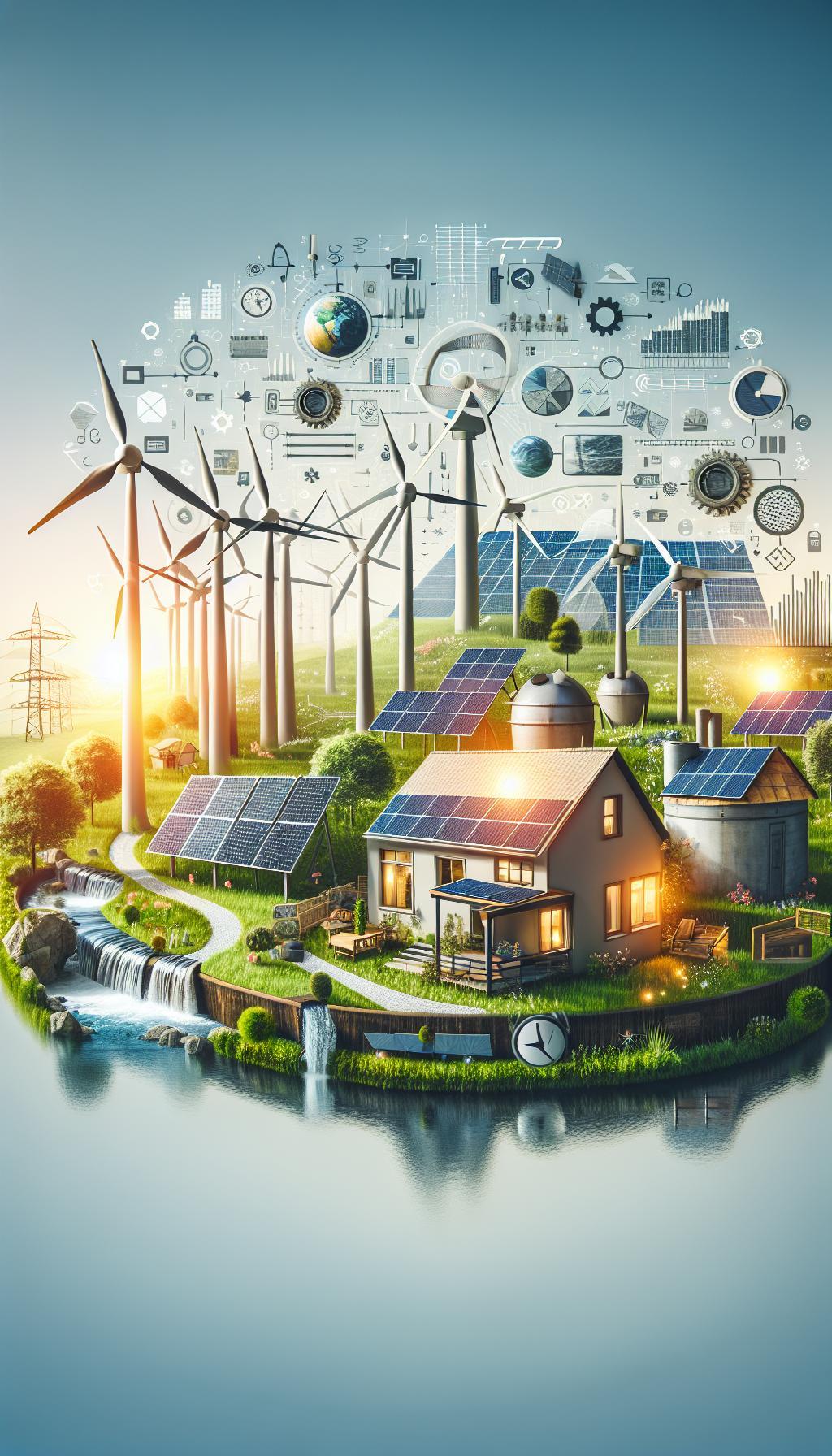
Did you know that businesses play a crucial role in driving the clean energy revolution? With increasing consumer demand for sustainable practices, understanding how to finance your clean energy initiatives is vital. A Clean Energy Business Account offers tailored banking solutions that not only support your sustainability goals but also optimize your financial resources.
As the world shifts towards a more sustainable future, finding the right banking tools can be overwhelming. Whether you’re a small business owner aiming to implement energy-efficient practices or a larger corporation seeking renewable energy projects, having the right financial partnership can make a significant difference. This guide will walk you through the essentials of Clean Energy Business Accounts, helping you navigate the available options to align your financial strategy with your green objectives.
Explore how these banking solutions not only contribute to your bottom line but also position your business as a leader in environmental responsibility. Your journey towards sustainability starts here-let’s dive in!
Understanding Clean Energy Business Accounts
In the evolving landscape of finance, clean energy business accounts are becoming essential for companies committed to sustainability. These accounts cater specifically to businesses that prioritize renewable energy sources and environmentally friendly practices. They offer tailored banking solutions that not only streamline financial operations but also align with the mission of promoting sustainable practices. What sets clean energy accounts apart is their focus on providing financial tools and resources designed to support projects such as solar installations, energy-efficient upgrades, and other green initiatives that help companies reduce their carbon footprint while fostering economic growth.
One of the key attributes of clean energy business accounts is their access to specialized financial products like green loans and renewable energy grants. These products often come with favorable terms, such as lower interest rates, to encourage investment in sustainable practices. Additionally, many financial institutions understand that clean energy businesses may face unique challenges, such as fluctuating project costs and regulatory compliance. Therefore, they offer financial advisory services to help navigate these complexities, ensuring that businesses can manage their funds efficiently while adhering to environmental regulations.
Moreover, establishing a clean energy business account often provides companies with the opportunity to engage in networking and collaborative ventures within the sustainability sector. Many banking institutions support initiatives that connect businesses with investors, allowing them to showcase their eco-friendly projects, gain funding, and share innovative solutions. By fostering a community of like-minded businesses, these accounts not only serve financial purposes but also play a vital role in building a robust ecosystem that can drive the clean energy transition forward.
Overall, clean energy business accounts represent a crucial step towards integrating sustainable practices into everyday business operations. They empower companies to invest in the future while contributing to broader environmental goals, making them an indispensable part of the strategy for any business looking to thrive in a green economy.
Key Features of Clean Energy Banking Solutions
In today’s environmentally conscious market, clean energy banking solutions stand out as vital tools for businesses eager to transition to sustainable practices. These solutions are designed not simply to hold funds but to actively support projects that contribute to a greener future. By leveraging specialized financial products, streamlined services, and tailored support, banks catering to this sector provide unique advantages that are essential for the success of clean energy initiatives.
One prominent feature of clean energy banking solutions is the availability of specialized financial products such as green loans and energy efficiency grants. These products typically offer attractive terms, including lower interest rates and longer payback periods, making it easier for businesses to invest in renewable energy projects without overwhelming financial burden. For instance, a solar energy installation company might secure a green loan that allows them to install systems with zero upfront costs-repaying the loan through savings accrued from reduced energy bills.
Additionally, clean energy banking solutions often come with dedicated advisory services that cater to the specific challenges faced by businesses in the sustainability sector. These include navigating complex regulations or securing various types of funding. A renewable energy startup, for example, might partner with a bank that provides insights into government incentives or tax credits available for green investments, thereby optimizing their project financing strategies.
Furthermore, these banking solutions foster community and connectivity among businesses. Financial institutions often facilitate networking opportunities, connecting entrepreneurs with investors who are equally passionate about sustainability. This not only enhances access to funding but also encourages collaboration on innovative solutions that can address common challenges within the clean energy space. Through industry-focused events and online platforms, companies can exchange ideas, share resources, and ultimately strengthen the clean energy ecosystem.
In summary, clean energy banking solutions are more than just financial accounts; they are comprehensive support systems for businesses dedicated to harnessing the power of renewable energy. By providing favorable financial products, expert guidance, and opportunities for collaboration, these banking solutions play a crucial role in empowering organizations to achieve their sustainability goals and contribute to a healthier planet.
Benefits of Choosing a Clean Energy Account
In the rapidly evolving landscape of sustainability, adopting a clean energy account can be a transformative decision for businesses aiming to reduce their environmental footprint while also enhancing their economic viability. By choosing this financial pathway, companies align themselves with a growing movement that prioritizes renewable resources, potentially tapping into a wealth of benefits that traditional banking solutions simply can’t match.
One of the most compelling advantages is the access to specialized financial products tailored explicitly for the renewable energy sector. These include green loans with lower interest rates and longer repayment terms, which significantly lessen the financial burden associated with implementing eco-friendly projects. For example, a company looking to install solar panels may qualify for a loan designed specifically for renewable energy projects, thereby allowing them to invest in their sustainability initiatives without jeopardizing cash flow. The savings generated from reduced energy bills can often cover the loan payments, creating a win-win situation.
Moreover, engaging with a clean energy account can provide businesses with a robust support network. Many banks specializing in this area offer dedicated advisory services, helping businesses navigate the regulatory landscape, understand available incentives, and optimize their funding strategies. For instance, a startup developing energy-efficient technologies could benefit from a financial partner that understands the intricacies of government grants and rebates, ensuring they capitalize on every financial opportunity available.
Additionally, opting for a clean energy banking solution strengthens a company’s commitment to corporate social responsibility (CSR). In today’s market, consumers increasingly favor businesses that demonstrate sustainability in their operations. A clean energy account signals to stakeholders that a company is serious about its environmental impact, enhancing its reputation and potentially leading to increased sales and customer loyalty. Furthermore, companies can network with other like-minded organizations, fostering collaborations that can lead to innovative solutions and shared resources.
In summary, the extend beyond just financial incentives. They include enhanced support, improved reputation, and stronger community connections-all crucial elements for businesses that aspire to thrive in a sustainable economy. By making this strategic choice, companies not only contribute to a healthier planet but also position themselves for long-term success and resiliency in an increasingly eco-conscious world.
How to Open a Clean Energy Business Account
Opening a clean energy business account can be an empowering step for enterprises committed to sustainability and innovation. The process, while straightforward, requires a thoughtful approach to ensure that you select the right banking partner that aligns with your clean energy goals.
To start, it’s essential to conduct research on banks that specialize in clean energy financing. Look for institutions that offer products tailored to renewable energy projects, such as green loans, which might include incentives like reduced interest rates or longer repayment terms. Create a shortlist of potential banks, and evaluate their offerings based on factors such as customer service, accessibility of financial products, and expertise in clean energy initiatives.
Once you have identified a suitable bank, the next step is to gather necessary documentation. This typically includes your business identification, financial statements, a clear description of your intended clean energy projects, and any relevant permits or licenses. Many banks will also want to understand your business model and how the clean energy projects will enhance your operations. Presenting a well-prepared business plan that outlines projected costs, savings, and environmental benefits can bolster your application.
After submission, you may be invited for a consultation. This is an excellent opportunity to discuss your project in-depth, seek advice on maximizing available incentives, and ensure the financial arrangement suits your needs. Establishing a relationship with your banking partner can also provide ongoing support as your clean energy projects evolve.
In essence, opening a clean energy business account requires strategic planning and diligent selection of banking partners that understand the unique challenges and opportunities within the renewable energy landscape. By approaching this process thoughtfully, you can not only secure the funds necessary for sustainable initiatives but also align your business with a future-focused financial approach.
Types of Financial Products for Clean Energy Businesses
Understanding the range of financial products available for clean energy businesses can significantly impact their ability to implement sustainable initiatives effectively. As the renewable energy sector continues to grow, financial institutions are developing specialized products designed to meet the unique needs of these businesses. For those looking to harness the power of renewable energy, innovative banking solutions offer funding options that range from loans to grants, each tailored to facilitate clean energy projects.
Green Loans
One of the most popular products is the green loan, specifically designed for financing renewable energy projects. These loans typically offer favorable terms, such as lower interest rates and extended repayment periods, making them attractive for businesses that wish to invest in solar panels, wind turbines, or energy-efficient technology. For instance, a small company seeking to install solar panels may secure a green loan that provides 100% financing, allowing them to pay back the loan over a longer term while benefiting immediately from reduced energy costs.
Energy Efficiency Financing
Another essential product is energy efficiency financing, which helps businesses upgrade their existing systems to be more energy-efficient. This could include HVAC upgrades, lighting retrofits, and insulation improvements. Banks often provide these loans with flexible underwriting criteria based on projected energy savings, enabling businesses to improve their cash flow alongside their environmental impact. Establishing partnerships with energy consultants can also be beneficial, as they may help businesses identify eligible projects and secure better financing terms.
Grants and Incentives
In addition to loans, various grants and incentive programs are available through government and private organizations, aimed at promoting sustainable practices. These funds can significantly reduce up-front costs and can be used alongside loans to enhance financing flexibility. For example, a clean energy startup might apply for a federal grant designed to support innovative technologies, which can be matched with a bank loan for equipment purchases, maximizing financial resources while maintaining a lean budget.
Impact Investing Funds
Lastly, impact investing funds are gaining traction, targeting businesses that provide measurable social and environmental benefits alongside financial returns. These funds often collaborate with financial institutions to support clean energy initiatives, offering capital to businesses focused on sustainability. This form of financing not only injects necessary funds but also connects businesses with investors who are passionate about clean energy, potentially paving the way for future funding opportunities.
By exploring these diverse financial products, clean energy businesses can tailor their funding strategies to align with their goals. Embracing these options not only enhances operational capabilities but also positions companies as leaders in the transition towards a sustainable future. In navigating the landscape of clean energy financing, it’s crucial for businesses to conduct thorough research and maintain open communication with financial partners to uncover the best solutions available.
Regulatory Considerations for Clean Energy Financing
Navigating the regulatory landscape for clean energy financing can often feel daunting, but understanding key regulations can empower businesses to make informed decisions. Clean energy sectors are typically supported by a complex framework of federal, state, and local policies. These regulations not only dictate how projects can be financed but also influence potential incentives that can significantly lower capital costs. For instance, incentives such as the Federal Investment Tax Credit (ITC) allow businesses to claim a substantial percentage of the installation costs of solar energy systems, effectively reducing the financial burden and enhancing project viability.
Complying with environmental regulations is crucial for clean energy businesses. Many states implement Renewable Portfolio Standards (RPS) that mandate a certain percentage of electricity to be generated from renewable sources. Failure to meet these standards can result in substantial penalties. Conversely, compliance fosters eligibility for various grants and funding programs aimed at promoting clean energy alternatives. Understanding how these regulations intertwine with financing opportunities reinforces the potential for accessing funds that support sustainability goals.
Additionally, businesses must stay abreast of local zoning laws and permitting processes, which can vary widely. There may be specific regulations pertaining to land use for renewable energy projects like wind farms or solar installations. Engaging with local government early in the project planning phase can help identify any hurdles to financing resulting from regulatory challenges. Furthermore, establishing a solid relationship with local utilities is beneficial. Utilities often provide essential insight into rebate programs or additional financing options geared towards energy efficiency improvements.
Overall, a proactive approach to regulatory considerations not only safeguards clean energy initiatives but also enhances their attractiveness to potential investors. Companies that thoroughly understand and navigate these regulations can better position themselves to secure the funding necessary for their projects, ultimately contributing to a cleaner and more sustainable future.
Best Practices for Managing Clean Energy Funds
Effective management of clean energy funds is crucial for businesses aiming to sustain their growth while positively impacting the environment. Maintaining a strategic approach to financial resources can not only enhance operational efficiency but also ensure long-term project viability. One key aspect is establishing clear financial goals aligned with sustainable practices. By setting measurable objectives-such as specific returns on investment (ROI) from renewable energy projects-businesses can more effectively allocate funds, evaluate performance, and make data-driven decisions.
Another best practice involves diversifying funding sources. Relying on a single financial stream can expose businesses to risks, especially in the fluctuating clean energy market. Exploring various options, including grants, loans, and tax incentives, creates a more robust funding foundation. For instance, many companies successfully leverage federal and state incentives while obtaining private investments or bank loans. This diversified financial strategy can cushion against market changes and promote stability in cash flow.
Regular reporting and review of fund allocation is also essential. By instituting a system for tracking how funds are used, businesses can identify areas for cost savings or reduction in operational waste. Furthermore, transparent financial practices not only build investor trust but also encourage collaborative partnerships with stakeholders who share a commitment to sustainability. Regular audits can highlight discrepancies and inefficiencies, allowing for timely adjustments that keep projects on track.
Lastly, investing in technology that supports fund management can significantly streamline processes. Software tools that track spending, forecast future costs, and analyze funding scenarios empower businesses to make informed financial decisions quickly. As renewable energy projects often involve complex calculations, utilizing advanced budgeting tools can simplify this task, ensuring funds are allocated efficiently and aligned with strategic goals. By embracing these best practices, clean energy businesses can enhance their financial resilience and ultimately contribute to a more sustainable future.
Innovative Banking Solutions for Sustainable Businesses
In an era where sustainability is at the forefront of business operations, innovative banking solutions tailored for clean energy ventures are emerging to meet the unique financial needs of this sector. These solutions not only provide essential funding but also integrate tools and resources that align with the sustainable objectives of businesses. Banks are increasingly developing products that cater specifically to companies focused on renewable energy, energy efficiency, and environmentally conscious practices, creating a more supportive ecosystem for sustainable growth.
One notable innovation in clean energy banking is the introduction of specialized accounts that offer favorable interest rates and lower fees for businesses that meet certain sustainability criteria. For example, some banks provide Green Business Accounts that reward environmentally responsible practices with financial incentives, such as lower transaction costs for companies that invest in renewable resources or adopt energy-saving technologies. Additionally, many financial institutions are leveraging sustainable investment funds that focus on portfolios composed of clean energy projects, providing businesses with investment options that align with their mission while also promising potential returns.
Furthermore, technological advancements are enabling banks to offer more sophisticated online platforms designed for real-time fund management and tracking. These platforms often include features that allow businesses to visualize their energy consumption, forecast financial needs based on project timelines, and analyze the environmental impact of their operations. Such tools not only simplify financial management but also empower clean energy companies to remain proactive in adjusting their operations to maximize both ecological and financial outputs.
Finally, financial partnerships with organizations and startups delivering innovative clean technologies are becoming commonplace. This collaboration enriches the banking landscape, as banks are enthusiastic about financing projects that promise significant sustainability benefits. By involving themselves with cutting-edge clean energy initiatives, banks are not just offering financial products; they’re fostering a community of innovation that can drive systemic change toward a more sustainable economy. With these innovative solutions, businesses in the clean energy sector can access the support they need to thrive while contributing positively to the environment.
Case Studies: Successful Clean Energy Financing
In recent years, numerous businesses have successfully leveraged clean energy financing to propel their sustainability initiatives and drive innovation. These case studies highlight how effective financial solutions can not only mitigate costs but also contribute to long-term environmental goals.
One notable example is Tesla, which utilized unique financing solutions to expand its solar energy division. Through strategic partnerships with banks that offered specialized clean energy loans, Tesla was able to fund the development of solar products that cater directly to environmentally conscious consumers. This financing facilitated the installation of solar panels and storage systems, allowing customers to generate their own energy while minimizing their carbon footprint. As a result, Tesla not only enhanced its product offerings but also positioned itself as a leader in the renewable energy market.
Another compelling case is Sunrun, a residential solar energy company that successfully navigated the complex landscape of clean energy financing. By utilizing a combination of tax equity financing and traditional loans, Sunrun expanded its reach across several states, providing homeowners with accessible solar solutions. The company offered attractive financing options, such as zero-down leases, allowing customers to adopt solar technology without upfront costs. This approach significantly boosted adoption rates, contributing to an increased market share in the clean energy sector.
Lastly, the New York Power Authority (NYPA) has pioneered financing solutions for public infrastructure projects focused on energy efficiency. By issuing green bonds, NYPA has funded various initiatives, including energy-efficient upgrades to schools and municipal buildings. This innovative financing method empowered local governments to improve their infrastructure while reducing energy consumption and lowering operational costs. The success of NYPA’s projects not only demonstrates the viability of clean energy financing but also sets a model for other entities looking to invest in sustainable development.
These real-world examples showcase the potential of clean energy financing to transform businesses and communities. From residential solutions to large-scale infrastructure projects, effective financial strategies foster innovation and growth in the clean energy sector, proving that sustainability can go hand in hand with economic benefits.
Common Challenges in Clean Energy Banking
Navigating the world of clean energy banking can present numerous challenges that may deter potential investors or businesses eager to adopt sustainable practices. One prevalent issue is the lack of standardized definitions and criteria in the clean energy financing landscape. Financial institutions may have varying interpretations of what constitutes “clean energy,” leading to confusion over eligibility for loans, grants, or incentives. This inconsistency can cause delays in funding approvals and complicate the planning processes for projects aimed at promoting sustainability.
Another significant hurdle is the upfront capital requirement often associated with clean energy projects. While long-term savings on energy costs can be substantial, the initial investment can be daunting for many businesses, particularly in the early stages of implementation. For instance, the cost of solar panel installation or energy-efficient equipment can be high, which may deter businesses from pursuing these upgrades despite potential environmental benefits. Financing options such as loans or leases can mitigate this challenge, but they also require careful consideration of interest rates and repayment terms.
Moreover, regulatory barriers can complicate access to clean energy financing. Different regions may have unique regulations or incentives that affect funding availability and the overall feasibility of projects. For example, state-level incentives for renewable energy might not be uniformly available, which can lead to discrepancies in the financial attractiveness of similar projects in different locations. Understanding local policies and securing the necessary permits can be a time-consuming process, adding another layer of complexity to project implementation.
Finally, businesses may struggle with demonstrating the return on investment (ROI) for clean energy initiatives. Financial institutions often demand detailed business cases that quantify expected revenue streams and cost savings, which can be difficult in a rapidly evolving sector. Businesses need to invest in quality assessments and projections to convince lenders of the viability of their projects. Collaborating with experts in energy finance can provide critical insights that boost confidence in financial commitments, ultimately enhancing the likelihood of project success.
In conclusion, while the path to securing clean energy financing can be fraught with challenges, businesses equipped with the right knowledge and support can navigate these obstacles effectively. By staying informed about industry trends, leveraging financial expertise, and understanding regulatory frameworks, companies can turn these challenges into opportunities for growth and sustainability.
Future Trends in Clean Energy Business Accounts
The landscape of clean energy business accounts is rapidly evolving, driven by technological advancements, shifting regulatory frameworks, and an increasing emphasis on sustainability from consumers and investors alike. As businesses recognize the importance of transitioning to renewable energy sources, innovative banking solutions are emerging to meet their unique needs. Financial institutions are now tailoring products specifically designed to support clean energy initiatives, which not only enhance cash flow but also facilitate long-term investments in sustainability.
One key trend is the rise of *green banking*-financial institutions are increasingly adopting environmental, social, and governance (ESG) criteria into their lending practices. This shift encourages businesses to pursue eco-friendly projects by offering favorable loan terms for solar installations, energy-efficient upgrades, and renewable energy projects. As a result, businesses that demonstrate their commitment to sustainability can access lower interest rates, better loan conditions, and potentially even grants or subsidized financing opportunities.
Technology Integration
Advancements in technology are also shaping the future of clean energy banking. Digital platforms are empowering businesses to track their energy consumption, assess potential savings, and evaluate the environmental impact of their operations with greater accuracy. Tools such as energy management software and predictive analytics are becoming mainstream, allowing businesses to present more precise data to banks during the funding process. Additionally, blockchain technology is emerging as a way to increase transparency and streamline transactions related to clean energy credits, further simplifying the process of securing financing for renewable projects.
- Increased Accessibility: With more online platforms offering clean energy financing options, businesses of all sizes can access capital without facing traditional barriers.
- Customizable Products: Financial institutions are developing tailored products that cater specifically to the varying needs of clean energy projects, from small solar installations to large-scale wind farms.
- Collaboration with Tech Startups: Partnerships between banks and innovative tech companies are creating new products that better meet the needs of clean energy businesses, enhancing the overall financing experience.
As the demand for clean energy solutions grows, so too will the role of clean energy business accounts in promoting sustainable financial practices. The integration of ethical banking principles and innovative technologies will not only redefine how businesses approach financing but will also cultivate an ecosystem where sustainability is at the core of economic success. Embracing these trends is essential for businesses looking to thrive in a future that prioritizes clean energy and responsible management of resources.
Resources and Tools for Clean Energy Entrepreneurs
Entrepreneurs in the clean energy sector are uniquely positioned at the intersection of sustainability and innovation. With the rapid growth of clean energy technologies, having access to the right resources and tools can significantly enhance your business operations and financial health. Leveraging a mix of knowledge, technology, and strategic partnerships can empower entrepreneurs to effectively navigate challenges and seize opportunities within this evolving landscape.
To start, understanding the financial landscape is crucial. Resources such as the U.S. Department of Energy’s Office of Energy Efficiency and Renewable Energy (EERE) provide valuable data and insights, including funding opportunities and federal grants tailored for clean energy projects. Non-profit organizations and trade groups like the Solar Energy Industries Association (SEIA) or the American Wind Energy Association also offer support through educational resources, policy advocacy, and networking opportunities. Engaging with these organizations can help you stay abreast of legislative changes and funding sources, which is critical for securing financing and building credibility.
In addition to financial resources, technology platforms are essential for optimizing operations. Software solutions like energy monitoring and management systems enable businesses to track consumption patterns, identify inefficiencies, and demonstrate their sustainability efforts to potential financiers. Tools such as Carbon Trust’s Energy Efficiency toolkit provide practical guidance on how to assess and reduce energy use, while predictive analytics software can forecast trends and help plan for future scaling or investments. Utilizing these tools not only enhances operational effectiveness but also bolsters your business case when seeking clean energy financing.
Lastly, building alliances with technology startups and established financial institutions that specialize in green banking can lead to innovative funding solutions. Collaborations can yield customized financial products that are better suited to the unique demands of clean energy businesses. Networking through industry events and online platforms like LinkedIn can facilitate these connections. Many entrepreneurs have successfully diversified their funding sources by participating in collaborative financing models, such as crowd-funding or community solar initiatives, demonstrating the power of community and cooperation in propelling clean energy initiatives forward.
By harnessing the right resources, tools, and partnerships, clean energy entrepreneurs can not only enhance their operational capabilities but also play a pivotal role in advancing sustainability initiatives that benefit both their businesses and the wider community.
Frequently Asked Questions
Q: What is a Clean Energy Business Account?
A: A Clean Energy Business Account is a specialized banking solution designed for businesses engaged in sustainable energy sectors. It offers tailored financial services, including lower fees for environmentally friendly projects and access to green loans, making it easier to invest in clean energy initiatives.
Q: How does a Clean Energy Business Account benefit my business?
A: This account can significantly benefit your business by providing access to funds specifically for clean energy projects, lower interest rates on loans, and incentives for adopting sustainable practices. This not only helps your business save money but also enhances your reputation as an environmentally responsible company.
Q: What types of businesses should consider a Clean Energy Business Account?
A: Businesses involved in renewable energy, green technology, energy efficiency, and sustainable practices should consider this account. These include solar panel installers, electric vehicle manufacturers, and companies focused on reducing carbon footprints, as they can leverage specific financial benefits aimed at promoting clean energy.
Q: Are there specific requirements for opening a Clean Energy Business Account?
A: Yes, most banks require applicants to demonstrate that their operations align with sustainability goals. Documentation may include business plans highlighting environmental impact, proof of clean energy projects, and compliance with relevant regulatory standards. Check with your bank for specific criteria.
Q: What are the common features of a Clean Energy Business Account?
A: Common features include accessible funding for green projects, dedicated account managers knowledgeable in clean technology, and opportunities for tax incentives. Additionally, many accounts provide educational resources to help businesses improve their sustainability practices.
Q: How can I use a Clean Energy Business Account to support sustainability goals?
A: You can use this account to finance renewable energy projects, upgrade to energy-efficient equipment, and invest in sustainable supply chains. Regularly review your account’s benefits and collaborate with financial advisors to align investments with your sustainability goals.
Q: Is there a difference between a Clean Energy Business Account and a traditional business account?
A: Yes, the key difference lies in their focus. A Clean Energy Business Account is specifically designed to support environmentally sustainable practices, offering financial incentives and products tailored to the clean energy sector, whereas traditional accounts may lack these specialized benefits.
Q: Can I transition my existing business account to a Clean Energy Business Account?
A: Yes, many banks allow you to transition your existing account. You will need to consult your bank representative to understand the process and ensure your business qualifies for the benefits designed for clean energy initiatives.
Final Thoughts
As we’ve explored, a Clean Energy Business Account offers tailored banking solutions that align with your sustainability goals while simplifying your financial management. By leveraging green finance options, you can enhance your business’s impact on the environment while enjoying competitive rates and services designed for your unique needs. Don’t miss out on the opportunity to propel your business forward-consider taking the next step today!
To dive deeper into how clean energy can transform your business, check out our guides on Financing Renewable Energy Projects and Sustainable Business Practices. If you have questions, feel free to leave a comment below; we’re here to help you navigate your clean energy journey. Sign up for our newsletter for the latest insights and resources to stay ahead in the green economy. Your commitment to sustainability starts here-let’s turn that vision into action!
Get our latest guides, news, and insights highlighted in your Google Search & AI Overviews.